Best Time to Visit Bhutan
Best Time to Visit Bhutan
Bhutan is one of those rare places where the season genuinely shapes the experience, not just the packing list. Clear Himalayan views, valley hikes, monastery visits, and festival days all feel different depending on when you arrive. If you are planning a Bhutan tour and looking for the best time to visit, the following breaks down the best times by season, month, and attraction so you can match your dates to what you want most from the trip.
When is the Best Time to Visit Bhutan?
For most Indian travellers, the best time to go to Bhutan is when the skies are clearer and road journeys feel comfortable
Seasonal Highlights for Travellers
If you want an easy, experience-led way to choose the best season to visit Bhutan, think in terms of what you want to do:
- Mountain views and clean skies: Autumn and early winter days can be especially rewarding
- Flowers and softer weather: Spring is popular for valley walks and scenic drives
- Fewer crowds and a calmer pace: Summer and deeper winter are quieter, with trade-offs in rain or cold.
Ideal Duration for a Bhutan Trip
A Bhutan itinerary works best when you give yourself enough time for slow travel.
- Give yourself buffer days for temple stops, café breaks, and unplanned viewpoints.
- Keep travel days light; long drives feel longer in the mountains.
- Aim for a relaxed pace so hikes and local moments don’t feel rushed.
Weather Conditions across the Year
Bhutan’s weather changes quickly because altitude and terrain vary a lot between valleys and passes. In simple terms:
Higher regions, such as Paro and Thimphu, feel cooler for most of the year
Lower valleys such as Punakha usually feel milder, especially in winter
Passes can turn windy or foggy even on a good weather day, so layering matters
Bhutan Travel Packages
If you are looking for the best time to visit Bhutan from India and want a smooth, hassle-free experience, plan your trip during seasons when permits, accommodation, and transportation can be coordinated easily through well-organised Bhutan tour packages.
6 Days Enchanting Bhutan with Chele La Pass
This route is a great pick when you want a balanced Bhutan feel without stretching too far. Chele La Pass is best enjoyed in clearer seasons, when visibility is better, and the drive is comfortable, especially in spring and autumn.
Bhutan Glance: 6 Nights & 7 Days Tour
A week-long itinerary usually gives you the right pace for Bhutan’s rhythm. It is ideal if you want time for Tiger’s Nest, a cultural evening in Thimphu, and a change of scenery in Punakha.
Short Escape: 3 Nights 4 Days in Bhutan
This is best for a quick break, especially if you are entering Bhutan via Paro and plan to stay focused on a single region. In spring and autumn, short trips feel more worth it because you can do more outdoors without weather interruptions.
5 Days Scenic Bhutan Holiday with Paro
Paro-centric itineraries are a smart choice for first-timers because the highlights are concentrated. You can build the trip around Tiger’s Nest, monastery visits, and relaxed café time in the valley.
Bhutan Bliss: 8 Nights 9 Days Tour
Longer itineraries are a strong fit if you want to add quieter valleys and nature-driven experiences. This is where Bhutan shifts from must-see spots to a slow, immersive journey.
Discover Bhutan: Cultural 9-Day Journey
If your priority is culture, this approach typically adds more dzongs, museums, and local experiences. Spring and autumn are popular for cultural travel because festival calendars often align, and walking around towns feels comfortable.
Season-Wise Guide to the Best Time to Travel to Bhutan
If you are going to Bhutan for tourism, the best time to visit depends on what you want to see, how you like to travel, and how flexible your dates are.
Spring in Bhutan (March to May)
Spring is a favourite for many travellers because the days feel comfortable for sightseeing and the landscape looks lively. If you want a mix of culture and nature without the heavy rains, this is the best time to visit Bhutan.
Autumn in Bhutan (September to November)
Autumn is often considered the classic Bhutanese season. Skies tend to be clearer after the rains, and many travellers come specifically for the festive energy. Autumn is the best season to visit Bhutan for photography and major cultural events.
Monsoon in Bhutan (June to August)
Monsoon season is greener and quieter, but rain can affect road travel and outdoor plans. That said, it can still be rewarding if you prefer fewer tourists, are comfortable with occasional showers, and want a softer, slower trip.
Winter in Bhutan (December to February)
Winter in Bhutan is crisp, calm, and often very scenic. Days can feel bright, and valleys have a peaceful charm. In many areas, winter also offers clearer skies, which can be excellent for views and photography, even though mornings and evenings are cold.
Bhutan Weather Month by Month
If you prefer to choose dates with greater precision, considering Bhutan’s weather by month can help. Here is the Bhutan weather by month:
January in Bhutan
January is one of the coldest-feeling months in higher regions, but it can also be beautifully clear on some days. It suits travellers who want peaceful monasteries, uncrowded viewpoints, and cosy evenings. Keep layering simple and plan earlier starts for daytime sightseeing.
February in Bhutan
February is still winter, but the days can begin to feel a touch more comfortable. It is a good time for cultural travel, especially if you are not looking for long hikes. Lower valleys such as Punakha can feel gentler than the higher towns.
March in Bhutan
March signals the start of spring energy. It is a good month for first-time visitors seeking a balanced itinerary with ample outdoor time. Some major festivals may also appear around late March or early April, depending on the calendar.
April in Bhutan
April is one of the most popular months because the weather often supports both sightseeing and hiking. Valleys look fresh, and travel feels easier in general. If you want a strong all-rounder month, April is often on the shortlist.
May in Bhutan
May continues the spring comfort, though you may start noticing more humidity as the season shifts. It is still a strong time for scenic drives and cultural exploration. For many travellers, it remains the best time to visit Bhutan.
June in Bhutan
June leans into the rainy season. Landscapes are lush and photogenic, but showers can change plans. If you travel in June, aim for flexible days, shorter intercity drives, and an itinerary that remains enjoyable even if you swap a hike for a monastery visit.
July in Bhutan
July is monsoon-heavy in many areas. It can be a good month for travellers who want a quieter Bhutan and are comfortable building the day around weather breaks. Indoor cultural spots, food experiences, and slow-town exploration work best.
August in Bhutan
August continues monsoon patterns, though greenery is at its peak. If your dates are fixed, focus on experiences that do not rely on long, clear-sky views. With good planning, it can still be a satisfying trip, just with a different pace.
September in Bhutan
September is a transition month and often feels like the start of the autumn sweet spot. As the rains ease, travel becomes smoother and visibility improves. For many, September is the best time to visit Bhutan for tourism.
October in Bhutan
October is one of the most sought-after months for clear skies and travel comfort, and it is widely known as a peak month for visitors. If your goal is crisp visibility and classic Bhutan scenery, October is hard to beat.
November in Bhutan
November keeps the autumn clarity and adds a cooler edge, which many travellers actually enjoy. It is also a strong month for travel to Phobjikha Valley, as the season aligns with crane migration and nature-focused experiences.
December in Bhutan
December starts the winter mood. Days can be clear and scenic, especially around viewpoints and passes when the weather cooperates. If you want a calm holiday feel and do not mind cold evenings, December can be a lovely choice.
Best Time to Visit Bhutan’s Top Attractions
Different places in Bhutan peak at different times of the year. Here’s a simple way to time the big highlights while planning the best places to visit in Bhutan.
Best Time for Paro & Tiger’s Nest
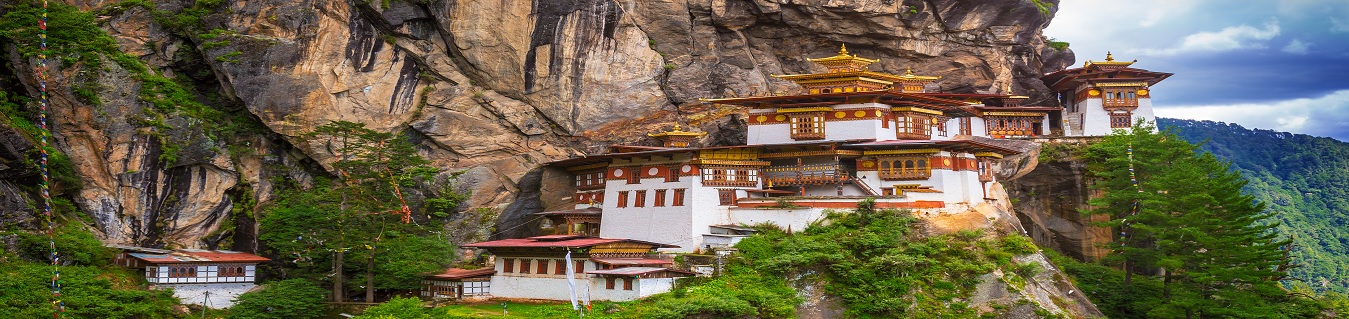
Paro is rewarding year-round, but the hike to Tiger’s Nest is usually most comfortable when days are mild and trails are less affected by heavy rain. Spring and autumn are the most popular windows for this reason.
Best Time for Thimphu & Buddha Dordenma
Thimphu is accessible year-round, offering outdoor views and cultural stops. Clear-sky months make Buddha Dordenma and panoramic viewpoints feel extra special, but even in quieter seasons, the city’s monasteries, markets, and museums keep your days full.
Best Time for Punakha & Dochula Pass
Punakha is often chosen as a warm-feeling break from the higher valleys, especially in winter. Dochula Pass is most rewarding when the skies are clear, as the Himalayan views appear more dramatic.
Best Time for Phobjikha Valley
If Phobjikha is on your list, plan your trip for the winter months, when black-necked cranes migrate to the valley. It is one of Bhutan’s most special nature experiences, and the quieter winter setting adds to the atmosphere.
Festivals & Events in Bhutan
Bhutan’s festivals are deeply spiritual and community-led, and they can be the highlight of your trip:
Paro Tsechu Festival
Paro Tsechu is one of Bhutan's most famous festivals and is typically held in spring, around March or April. Expect masked dances, rituals, and a strong local gathering vibe. If festival travel matters to you, it is worth planning dates around this.
Nomad Festival
The Nomad Festival is associated with Bhutan’s highland culture and showcases traditional livelihoods, textiles, and community celebrations. If you enjoy culture that feels less touristy and more rooted, this can be a wonderful addition, subject to the year’s schedule.
Thimphu Tshechu
Thimphu Tshechu is among Bhutan’s biggest religious festivals and often falls in the autumn season. It is energetic, colourful, and a great way to see Bhutanese traditions in a living, local setting.
Punakha Drubchen
Punakha Drubchen is known for its ceremonial intensity and heritage focus. It is often discussed as a meaningful cultural event for travellers seeking to experience Bhutan’s traditions beyond the standard sightseeing route.
Tourist Places to Visit in Bhutan
Choosing the right places is half the answer to deciding the best time to travel. Some destinations shine in winter, others come alive in spring, while a few remain rewarding throughout the year, making seasonal planning an important part of Bhutan tourism.
Paro
Paro blends Bhutan’s iconic imagery with calm valley charm. Between monasteries, viewpoints, and café breaks, it is easy to enjoy without rushing. It is also where many Indian travellers begin their trip if they fly into Paro, which makes it an ideal base for early Bhutan trip planning.
Thimphu
Thimphu feels like Bhutan’s modern heartbeat, yet it remains deeply traditional. You can combine city walks, heritage sites, and panoramic viewpoints without long drives. It also works well in most seasons, which is why it is often included, no matter the time of year you choose to visit Bhutan.
Punakha
Punakha is loved for its softer climate and scenic beauty. It is especially appealing when higher towns feel colder, making it a popular winter addition. Punakha also pairs well with cultural exploration and relaxed river-valley scenery.
Dochula Pass
Dochula Pass is a stop-and-breathe kind of place. When the skies are clear, it can deliver memorable Himalayan views. Timing matters more here than in towns, so autumn through early winter often gives you a better chance of visibility.
Phobjikha Valley
Phobjikha is one of Bhutan’s most serene landscapes. Winter is the star season because it aligns with black-necked crane migration and the valley’s quiet beauty. If you want a nature-led Bhutan, this is a top pick.
Tashichho Dzong
Tashichho Dzong is a key cultural landmark in Thimphu and a place where Bhutan’s living heritage is palpable. Visit timings and local protocols can matter, so it is best to experience them with respectful pacing and a guide who helps you understand their significance.