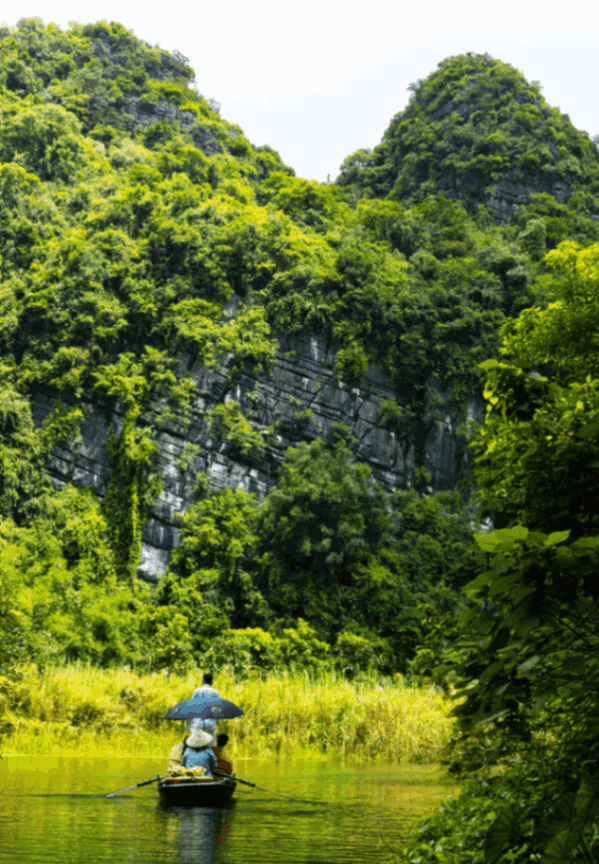
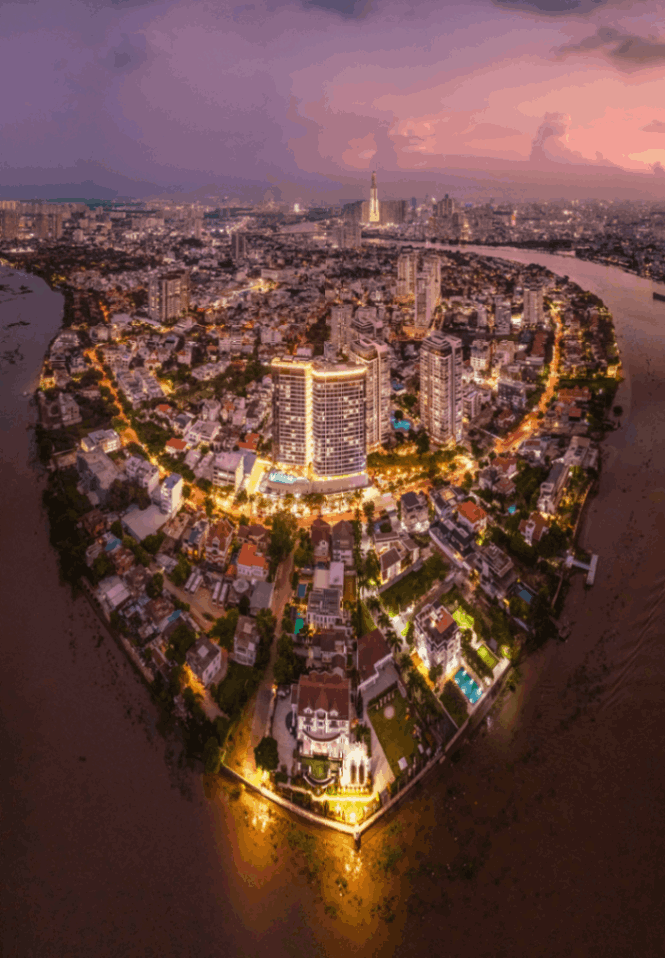
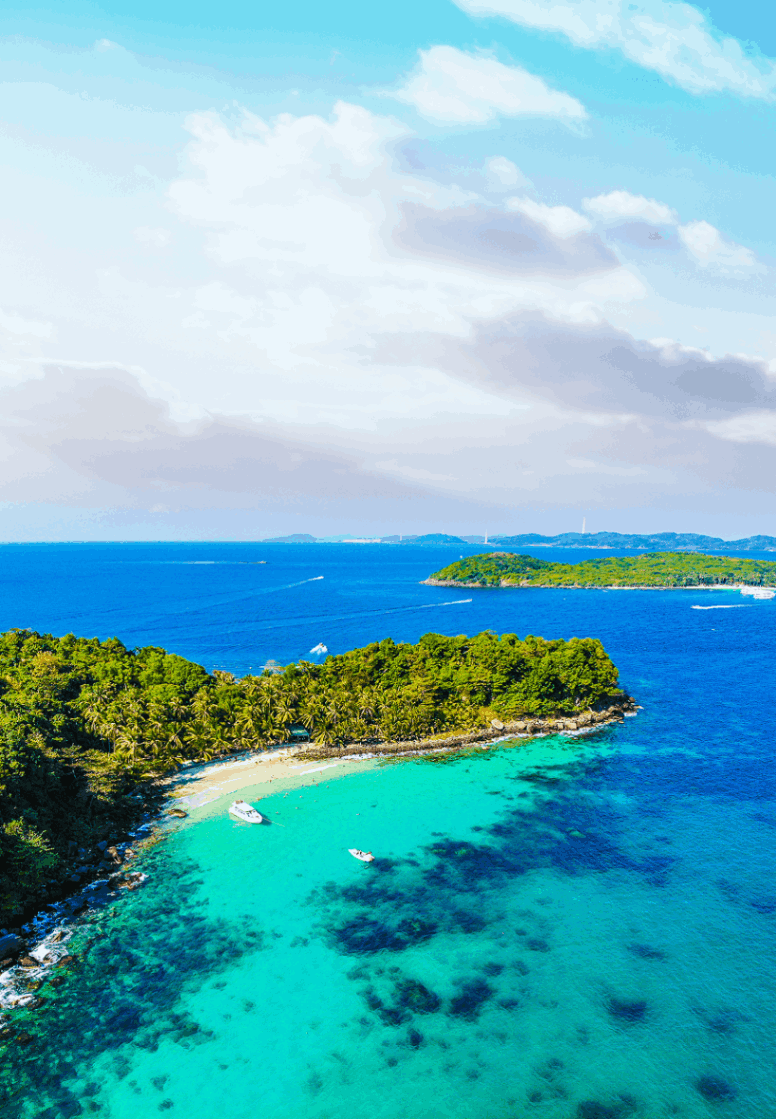
Vietnam offers a well-rounded travel mix, with historic cities, coastal breaks, mountain scenery, and river life across different regions. It suits travellers who want a holiday that combines culture, nature, and food experiences without needing a single fixed theme. Planning places to visit in Vietnam benefits from clear routing and travel-led details.
Here you can find the best seasons to plan travel, the most popular cities to include, and the key attractions that many itineraries prioritise. It also clarifies what each stop is known for, how it fits into a route, and which destinations align with different travel interests, such as heritage, landscapes, beaches, and relaxed breaks
Best Time to Visit Vietnam
Vietnam stretches from the northern mountains to the southern delta, so weather conditions can vary across the country. When planning a trip, many itineraries focus on the drier, more stable months while remaining flexible for local weather changes. Travel advisories and tourism references commonly highlight late autumn to spring as the most comfortable period for multi-region travel, helping travellers choose the best time to visit Vietnam.
SRP_PACKAGES_TABLE
Popular Cities to Visit in Vietnam
Cities shape the day-to-day experience of Vietnam and simplify route planning, as many key attractions are best visited as day trips from a central base. This section highlights city stops commonly included when planning places to visit in Vietnam across the north, centre, and south, making them essential for Vietnam tour packages.
Hanoi (Northern Vietnam)
Hanoi is often planned for heritage walks, lakeside areas, museums, and local food streets. The Old Quarter is commonly explored on foot, while other areas are better suited to slower cultural touring. For travellers seeking a structured, easy-to-pace Vietnam sightseeing itinerary, Hanoi is a good starting point. It also connects well to northern destinations, making it useful for short trips and longer multi-region routes.
Ho Chi Minh City (Saigon) (Southern Vietnam)
Ho Chi Minh City suits travellers who prefer a modern city base with strong history-led touring. It is commonly used for museum visits, local markets, and day trips beyond the city limits. As one of Vietnam's major destinations, it offers a wide range of hotels and transport options, which helps when building an itinerary that includes internal flights or onward road travel.
Da Nang (Central Vietnam)
Da Nang is a coastal city that supports both relaxing stays and day trips. It is often used as a base for nearby attractions, while still offering beach time within the city. For travellers seeking straightforward logistics in Vietnam, Da Nang serves as a central hub, linking well to Hoi An and Hue and keeping travel time manageable.
Hoi An (Central Vietnam)
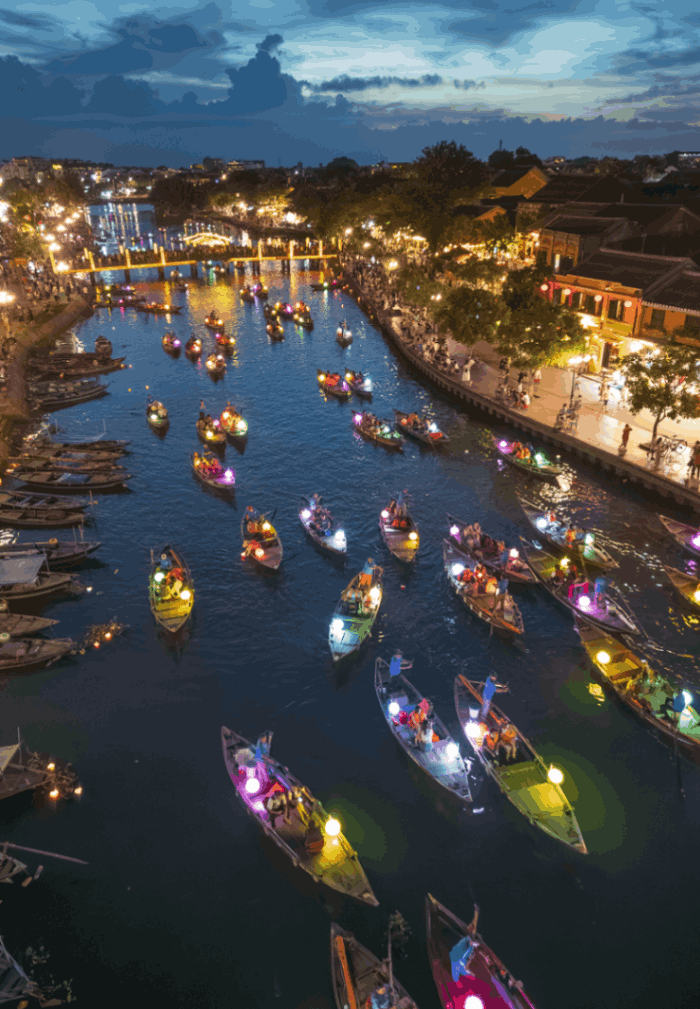
Hoi An is widely known for its heritage-town feel, walkable lanes, and evening river atmosphere. It suits travellers who prefer short day trips and sightseeing that does not feel rushed. Many itineraries include Hoi An as one of the most rewarding places to visit in Vietnam, especially for those who want a slower pace after larger cities.
Hue (Central Vietnam)
Hue is known for royal-era history and monument-led sightseeing. It suits travellers who enjoy structured touring, guided interpretation, and heritage architecture. For those building a route around Vietnam’s famous places, Hue adds depth to a central Vietnam plan, especially when combined with nearby cities that offer a different travel rhythm.
Nha Trang (South-Central Coast)
Nha Trang is commonly included for beach time and an easy coastal break. This is ideal for travellers who prefer a relaxed schedule, with leisurely days and optional short excursions. For those planning a Vietnam itinerary that includes beaches, Nha Trang can serve as a relaxing stop between the more active parts of their trip.
Ha Long City (Northern Vietnam)
Ha Long City is typically treated as a gateway for bay-based travel rather than a destination for a long stay. Many itineraries schedule it for onward connections to cruises and scenic water routes. When planning places to visit in Vietnam that offer natural scenery, Ha Long City often serves as a convenient gateway to the larger bay experience.
Sapa (Northwest Highlands)
Sapa is planned for cooler highland weather, terraced scenery, and outdoor routes. It suits travellers who are comfortable with the travel time required for mountain regions and prefer landscapes to city touring. For Vietnam places to see that focus on views and hill terrain, Sapa offers a different travel experience than coastal and urban destinations.
Can Tho (Mekong Delta)
Can Tho is a key base for exploring the Mekong Delta, especially for early-morning river activity and local market life. It suits travellers who want a travel experience centred on waterways and rural scenery. When planning Vietnam tourist places that show daily life beyond city centres, Can Tho is often used as a valid entry point.
Dalat (Central Highlands)
Dalat is known for a cooler climate and a calmer pace compared to Vietnam's coastal heat. It suits travellers who want views of nature, garden-like spaces, and relaxed city touring. As a destination for a slower mid-itinerary break, Dalat is often paired with other central or southern stops to balance travel intensity.
Phong Nha (North-Central Vietnam)
Phong Nha is primarily designed for national park landscapes and cave-based travel experiences. It suits travellers who prioritise outdoor touring and nature-based schedules. Many routes include it among the most notable places to visit in Vietnam, particularly when the itinerary consists of both heritage cities and scenic areas.
Vung Tau (Southeast Vietnam)
Vung Tau is often included for short coastal downtime, especially when travellers want a near-city beach break. It can work as an add-on at the end of a southern itinerary. For those considering Vietnam tourist places that allow quick travel and easier planning, Vung Tau can fit well when time is limited.
Top Places to Visit in Vietnam
Vietnam’s key attractions are spread across different regions, so careful route planning is important. The most enjoyable itineraries pair each site with a suitable base city and allow enough travel time. This section highlights well-known landmarks and scenic spots that are frequently listed among the popular tourist attractions in Vietnam, making it essential for Vietnam tourism planning.
Ha Long Bay (Quang Ninh Province)
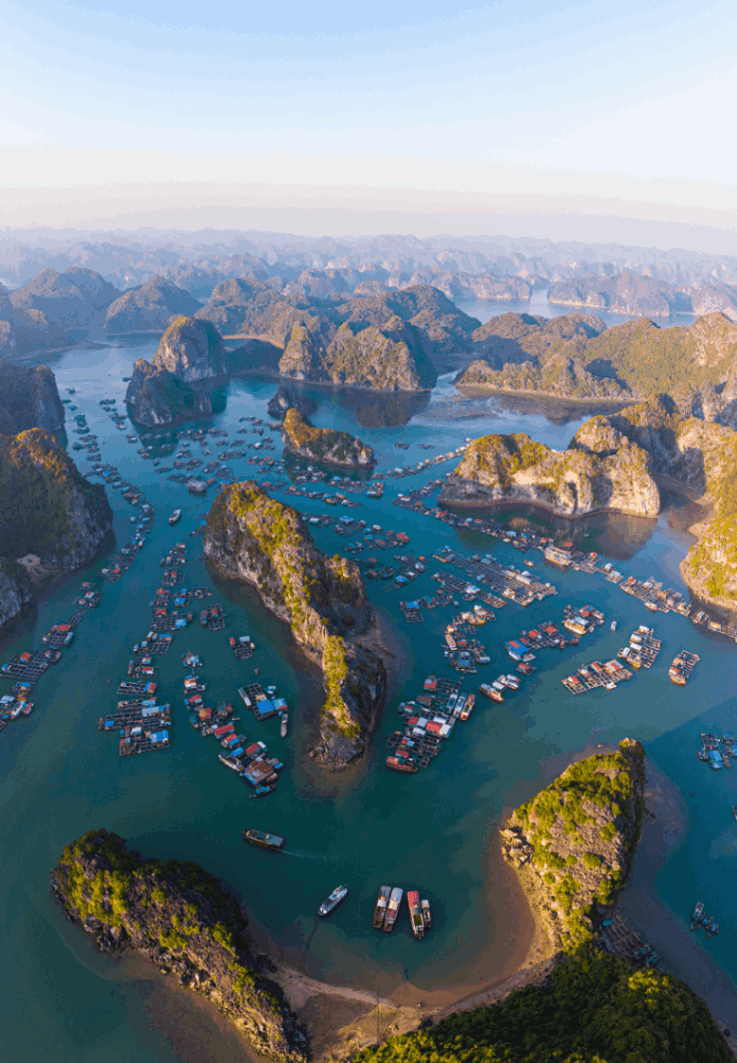
Ha Long Bay is visited for limestone scenery and boat-based views across calm waters. It is usually scheduled as a dedicated experience, with time built in for travel to and from the Bay Area. Many travellers place it high on their list of places to visit in Vietnam because it offers a strong nature-led experience that differs from city touring.
Cu Chi Tunnels (Ho Chi Minh City)
The Cu Chi Tunnels are visited for history-focused touring and insight into wartime infrastructure. The experience is usually structured with guided explanations and controlled route sections. As one of the recognised Vietnam tourist places near a major city base, it is often planned as a half-day or full-day outing, depending on travel time and interest.
Hoi An Ancient Town (Quang Nam)
Hoi An Ancient Town is known for its preserved architecture, narrow lanes, and a walkable travel experience that suits slow sightseeing. Many itineraries schedule it with enough evening time, since the town's atmosphere changes after sunset. It is often listed among Vietnam tourist spots that fit well into short stays because the main areas are compact and easy to cover on foot.
My Son Sanctuary (Near Hoi An)
My Son Sanctuary is visited for its heritage sites and archaeological interest linked to the region's older history. It is commonly reached as a day trip from central bases, with touring that focuses on the site layout, stone designs, and the surrounding landscape. For travellers mapping Vietnam places to see beyond city centres, this stop offers a heritage-led day plan without long multi-day travel.
Hoan Kiem Lake & Ngoc Son Temple (Hanoi)
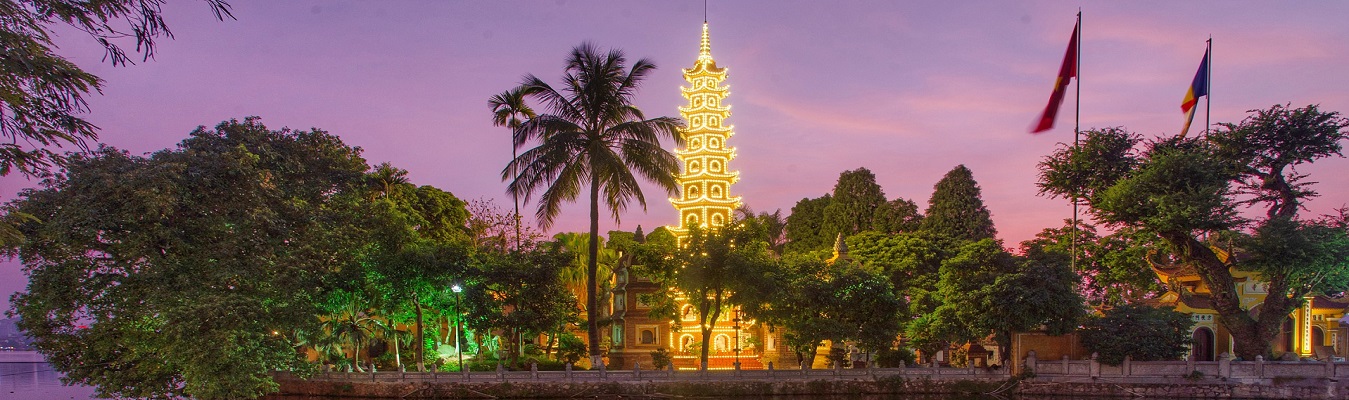
Hoan Kiem Lake is a central walking area in Hanoi, suited to easy sightseeing and short photo stops. Ngoc Son Temple adds a cultural visit within the same zone, which makes planning simple. It is commonly included as one of the most accessible places to visit in Vietnam for travellers who want light touring that still feels culturally relevant.
The Imperial City of Hue (Hue)
The Imperial City is visited for royal-era structures and historic site touring. It usually works best when scheduled earlier in the day to allow unhurried walking and time at key sections. It is often included among Vietnam's famous places for travellers who want a heritage-focused stop that adds depth to a central Vietnam route.
Phong Nha Caves (Son Doong, Paradise Cave) (Quang Binh)
Phong Nha's cave networks are known for large-scale interiors and nature-led touring routes. Access and entry rules vary by site, so the day plan often depends on what is open and what is suitable for the travel group. Many travellers include this as one of the more memorable places to go in Vietnam when the itinerary aims to balance cities with outdoor travel.
Golden Bridge (Cầu Vàng)
The Golden Bridge is visited mainly for its elevated views and a recognisable design feature. It is usually accessed through a wider day plan that includes nearby hill attractions and viewing areas. For travellers building a route with standout photo-led stops, it is often included among the notable places to visit in Vietnam in central itineraries.
Ban Gioc Waterfall (Cao Bang)
Ban Gioc Waterfall is visited for its natural scenery and a travel experience that feels far away from the busiest routes. It often requires longer road travel, so it suits travellers who are comfortable with more time on the move. For those seeking places in Vietnam that feel less crowded and more nature-focused, Ban Gioc can suit a slower, scenery-first itinerary.
Sapa Rice Terraces (Lao Cai)
Sapa's rice terraces are visited for highland views, walking routes, and seasonal landscape changes. Many travellers plan early starts to make the most of visibility and calmer walking routes. For Vietnam, places to see with a focus on outdoor scenery and hill terrain, the terraces are often the key reason to include Sapa in the itinerary.
War Remnants Museum (Ho Chi Minh City)
The War Remnants Museum is visited for structured learning and exhibit-based touring. It is commonly included in a city sightseeing day, especially when travellers prefer indoor touring options. Many itineraries include it as an important place to visit in Vietnam, a stop for travellers who value history and museum-led travel experiences.
Mekong Delta (Southern Vietnam)
The Mekong Delta is visited for river travel, canal routes, and day trips centred on waterways and early market activity. It is often planned as a day trip or an overnight segment, depending on the travel pace. For travellers who want Vietnam sightseeing that highlights landscapes and daily life beyond cities, the delta adds a distinct change of pace.
Popular Vietnam Tour Packages
Below are some of the famous Vietnam tour packages offered by SOTC:
SRP_PACKAGES_TABLE
What People Want to Know About Places to Visit in Vietnam
When researching places to visit in Vietnam, people typically want clarity on which destinations align with their travel interests, how many days are needed in each place, and how smoothly different regions connect. They also seek guidance on planning routes that are organised, comfortable, and not overly rushed.
1. What are the best places to visit in Vietnam for first-time travellers?
For first-time travellers, Hanoi is well-suited for northern touring, Hoi An for central heritage travel, and Ho Chi Minh City for southern plans. This structure helps cover places to visit in Vietnam without rushing between too many stops in a short timeframe.
2. What is the best place in Vietnam for tourists?
The best choice depends on what the itinerary aims to prioritise. Travellers focused on heritage and walkable neighbourhoods often prefer Hanoi or Hoi An, while those who want a fast-paced city base may prefer Ho Chi Minh City. For travellers seeking a route that covers the best places to visit in Vietnam, a mix of one city base and one scenic highlight often feels more complete than staying in a single location.
3. What part of Vietnam should I visit?
The decision usually depends on trip length and travel style. Northern Vietnam suits travellers who want cultural touring and scenic day trips; central Vietnam suits heritage and coastal exploration; and southern Vietnam suits city breaks with river travel. Choosing one region can still provide several meaningful places to see in Vietnam through nearby excursions and short transfers.
4. Which cities in Vietnam are a must-visit?
Many itineraries prioritise Hanoi and Ho Chi Minh City to cover both ends of the country, then add one central base such as Hoi An or Da Nang. Hue is often included for travellers seeking deeper heritage tours. These cities are commonly chosen because they connect well to key attractions and simplify internal travel while covering Vietnam tourist places across regions.
5. What is the most visited place in Vietnam?
Ha Long Bay is frequently listed among the most visited attractions because it is widely included in northern itineraries and is planned as a key scenic highlight. It is often scheduled as a dedicated part of the trip rather than a quick stop. For many travellers, it becomes one of Vietnam's famous places that is often included on a first or second visit.
6. Is Hanoi or Ho Chi Minh City better to visit?
Both cities suit different travel preferences. Hanoi often appeals to travellers who want heritage walks, museums, and local markets, while Ho Chi Minh City suits those who prefer a modern pace and history-led tours. For a well-rounded holiday, many itineraries include both as major places to go in Vietnam, using internal travel to connect the regions efficiently.
7. What are the most beautiful natural places in Vietnam?
Natural places often depend on the kind of scenery preferred. Ha Long Bay suits travellers who want coastal limestone views, Sapa suits those who want highland terraces and mountain air, and Phong Nha suits travellers interested in caves and protected landscapes.
8. When is the best time to visit tourist places in Vietnam?
The weather varies by region. Many travellers plan north and south between October and April, and the central coast between February and August, while checking forecasts close to travel. A region-based plan helps travellers schedule places to visit in Vietnam in a way that supports smoother daily touring and fewer weather interruptions.
9. Which places in Vietnam are ideal for couples or honeymooners?
Couples often prefer destinations that support slower pacing, walkable evenings, and scenic day plans. Hoi An suits slow evening walks, Dalat suits cooler hill stays, and Ha Long Bay supports cruise downtime. Adding a scenic highlight, such as a bay or beach stay, can also create a balanced itinerary across Vietnam places to see with both activity and downtime.
10. What are the best beach destinations in Vietnam?
Beach planning typically depends on the expected level of sightseeing alongside rest days. Da Nang and Nha Trang are popular choices for longer beach stays, with simple hotel zones near the coast. Vung Tau can suit a shorter seaside add-on in the south. These options suit travellers choosing Vietnam places to go for shoreline time.
11. What are some unique or offbeat places to explore in Vietnam?
Travellers looking beyond the busiest routes often consider regions with longer road travel and slower itineraries. Cao Bang, known for Ban Gioc Waterfall, is well-suited to a scenery-led plan, while Phong Nha appeals to travellers seeking nature-based tours. These choices can add variety to the places to see beyond the standard city circuit.