North East India brings together eight states, and that is exactly why the region feels so rich for travellers. You get hill towns, monasteries, wildlife parks, river islands, high passes, lakes, waterfalls, and strong local cultures in one broad travel map.
Top Attractions to Explore in the North East
If you are planning your first trip, focus on a route that gives you a little of everything.
Shillong
Shillong is one of the easiest starting points for a North East holiday. It is known for pleasant weather, lively markets like Police Bazaar and Bara Bazaar, and nearby natural spots that make sightseeing feel relaxed rather than rushed.
Kaziranga National Park
Kaziranga is one of the most iconic north-eastern places if wildlife is part of your plan. It is a UNESCO World Heritage Site and is especially known for the world’s largest population of the one-horned rhinoceros, along with elephants, birds, and wetland landscapes.
Gangtok & Scenic Spots
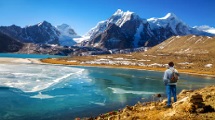
Gangtok works beautifully for travellers who want mountain views with comfort. The city is known for monasteries, MG Marg, scenic drives, and nearby attractions such as Tsomgo Lake and Nathula Pass, which add a strong Himalayan feel to the trip.
Tawang & Surroundings
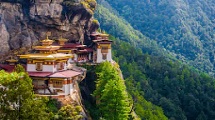
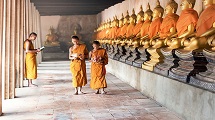
Tawang is one of those north-east tourist places that stays with you long after the trip ends. It is known for dramatic mountain roads, monastery culture, waterfalls, and high altitude beauty, with Tawang Monastery standing out as one of the largest Buddhist monasteries in India.
Cherrapunji Adventures
Cherrapunji brings a very different mood to the journey. It is known for heavy rainfall, living root bridges, misty hills, and dramatic waterfalls like Nohkalikai and Seven Sisters Falls, which make it one of the most rewarding north-east visiting places for nature lovers.
Majuli and Heritage Sites
Majuli adds culture and calm to a North East itinerary. The island is known for its satras, riverine landscape, and long tradition of mask making at Samaguri Satra, which gives visitors a deeper look at Assamese heritage.
Tourist Places in North East – Ziro Valley, Pelling, Nathula Pass
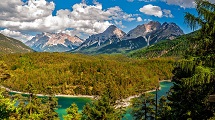
Ziro Valley is loved for the Apatani culture and peaceful valley views. Pelling is known for panoramic Kanchenjunga views, monasteries, and heritage sites, while Nathula Pass adds a high mountain route with a more adventurous edge, making them highlights of many North East tour packages. Together, they represent some of the most scenic tourist places in the north east for mountain travellers.
North East Tourist Spots – Dawki, Loktak Lake & More
Dawki is famous for the crystal clear Umngot River and borderland scenery, while Loktak Lake stands out for its floating islands and the nearby Keibul Lamjao National Park, the world’s only floating national park. These are the kind of north east best places to visit that make a trip feel visually very different from one stop to the next.
Best Time to Visit the North East
For a broad multi-state holiday, October to April is usually the most comfortable window. That period generally gives you better road travel, pleasant sightseeing weather in places like Shillong, and clearer mountain views across many hill circuits, making it the best time to visit North East India.
Summer Season for Sightseeing in the North East
Summer works well if you want cool hill weather, family-friendly travel, and long sightseeing days. Shillong, Gangtok, Pelling, and parts of Arunachal feel especially pleasant in these months.
Monsoon Travel Tips for Visiting Places in the North East
Monsoon makes the region greener and fuller, especially in Meghalaya. Waterfalls look spectacular then, but road delays and rain interruptions are more common, so this season suits flexible travellers more than tightly packed itineraries.
Winter Season for Scenic Holidays in the North East
Winter is excellent for crisp views, calmer weather in many circuits, and memorable mountain stays. It is especially rewarding for Tawang side journeys, Gangtok routes, and clear water experiences around Dawki.
How to Reach the North East
Most travellers enter the region through Guwahati, which works as one of the main gateways for many North East circuits. From there, onward journeys continue by flight, train, or road, depending on the state and route you choose.
By Air
Guwahati is a major air gateway for the region, and some itineraries also use airports connected to specific circuits. For example, Pelling-related routes commonly use Bagdogra or Pakyong as access points.
By Train
For rail travel, Guwahati remains one of the strongest entry points and a major connectivity hub for the North East. It works especially well for travellers planning Assam and Meghalaya-led routes.
Where to Stay in the North East
Stay choices depend on the pace of your trip. Some travellers prefer city hotels for easier movement, while others pick quieter mountain stays, riverside camps, or scenic resorts. The right choice depends on whether your holiday is more about comfort, views, or activity time.
Budget and 3-Star Hotels in the North East
These are a good fit for route-based travel where you plan to spend most of the day outside and want simple, comfortable overnight stops.
4-Star Hotels in the North East
This category suits couples and families who want a better room experience without turning the trip into a resort-only holiday.
5-Star Hotels in the North East
Premium stays are best when you want more downtime, wider views, and a slower holiday pace with comfort built into the journey.
Experiences by Travel Interest in the North East
The region works very well for different travel styles. That is why there are so many things to do in North East India, appealing equally to couples, families, nature lovers, wildlife enthusiasts, and travellers who enjoy long scenic drives.
Romantic Places to Visit in the North East
Shillong, Pelling, Gangtok, and Dawki are lovely for couples because they combine cool weather, beautiful views, and a more relaxed travel mood.
Family-Friendly Tourist Places in the North East
Shillong, Gangtok, Kaziranga, and Loktak Lake work well for families because they offer varied sightseeing without requiring very difficult travel days.
Adventure and Entertainment in the North East
For adventure, Cherrapunji, Nathula Pass, Dawki, Tawang, and Ziro Valley stand out with trekking, river activities, viewpoints, caves, and mountain drives.
Places to Visit Near the North East
Many travellers extend their holiday beyond one core circuit. That works well here because the region naturally connects hill routes, border experiences, and Eastern Himalayan landscapes.
Bhutan Border Excursions
A Bhutan border extension can work well if your trip already includes nearby Himalayan or foothill sectors and you want a calm add-on before returning.
Eastern Himalayas Extensions
Gangtok and Pelling are strong extensions if you want more mountain scenery, monasteries, and Kanchenjunga-facing views as part of a longer Eastern Himalayas holiday.
Bangladesh Border Experiences
Dawki is one of the easiest ways to add a border-side experience, with Meghalaya’s hills visually opening out toward the plains of Bangladesh.
Frequently asked questions about Places to visit in North East
1. What are the best places to visit in the North East for first-time travellers?
Shillong, Kaziranga, Gangtok, and Cherrapunji make a strong first route because they balance scenery, culture, and ease of travel.
2. Which are the most famous places in the North East?
Ans: Kaziranga, Tawang, Gangtok, Shillong, and Cherrapunji are among the most recognised names in the region.
3. What are the top tourist places in the North East for families?
Ans: Shillong, Gangtok, Kaziranga, and Loktak Lake are good family choices.
4. What is the best time to explore the North East places to visit?
Ans: For most travellers, October to April is the easiest time for a wider North East circuit.
5. How many days are enough to cover the best places to visit in the North East?
Ans: A comfortable first trip usually needs 7 to 10 days, because the region is wide and road journeys can take time. This is an informed travel planning estimate based on the spread of destinations across the region.
6. Which North East visiting places are ideal for couples?
Ans: Shillong, Pelling, Dawki, and Gangtok are among the nicest choices for couples.
7. Are there waterfalls, lakes and mountain destinations among the famous places in the North East?
YAns: es, Cherrapunji is known for waterfalls, Loktak for its lake and floating islands, and Gangtok, Pelling, and Tawang for mountain scenery.
8. What are some famous places in the North East for nature and culture lovers?
Ans: Majuli, Ziro Valley, Shillong, and Tawang are especially rewarding for travellers who want both local culture and scenic landscapes.
9. Which are the best sightseeing and tourist places in the North East for adventure lovers?
Ans: Cherrapunji, Dawki, Nathula Pass, Tawang, and Ziro Valley are some of the stronger picks for adventure-led travel.
10. What are the must-include North East places to visit on a short trip?
Ans: For a shorter trip, Shillong, Cherrapunji, Kaziranga, or Gangtok are easier to combine than a very wide multi-state circuit.