Japan is a destination that feels both thrilling and beautifully organised, where futuristic cityscapes, centuries-old temples, peaceful gardens, and unforgettable street experiences sit side by side. For Indian travellers planning a 2026 holiday with SOTC, the absolute joy lies in building an itinerary that blends big-city energy with slower cultural and scenic moments. From neon neighbourhoods and landmark towers to shrine pathways and heritage districts, the range of places to visit in Japan is wide enough to suit every travel style.
For a first-time Japan itinerary, start by choosing cities that align with how fast or slow you like to travel. Tokyo suits modern energy, Kyoto suits tradition, Osaka suits lively evenings, and Nara suits a calmer day out. Add standout Japan tourist places such as Mount Fuji viewpoints, iconic temples, and unique experiences that bring Japan’s character alive.
For a well-rounded Japan holiday in 2026, it helps to pair must-see highlights with slower, more atmospheric stops. The places ahead span Japan’s classic icons and its most rewarding neighbourhoods and viewpoints, ideal for building a smooth, satisfying route.
Best Time to Visit Japan
Season matters in Japan because your daily experience changes with the weather, light, and the kind of landscapes you see. When travellers ask SOTC about the best time to visit Japan, a helpful approach is to match your sightseeing style to the season.
If you enjoy long walking days, gardens, and relaxed exploration, choose a season with comfortable outdoor weather. For those who prefer a quieter travel pace in popular areas, plan your trip around calmer periods, helping you decide the best time to visit Japan.
Popular Cities to Visit in Japan
These cities form the backbone of many SOTC itineraries and include several of the Japan tourist places that travellers return to year after year. For first-time visitors, start with a few key cities and add day trips only if your schedule remains relaxed, making it easier to enjoy Japan tourism without feeling rushed.
Tokyo
Tokyo is a natural starting point for most itineraries and a must-visit on any list of places to visit in Japan. SOTC highlights the city’s striking contrasts, where serene shrines and peaceful pockets sit alongside one of the world’s most modern metros. Plan your days by neighbourhood to keep sightseeing smooth and efficient in Tokyo tour packages.
Key Experiences:
- Ginza for shopping and polished city streets.
- Shinjuku Gyoen for a calm break.
- Tokyo Tower for skyline views.
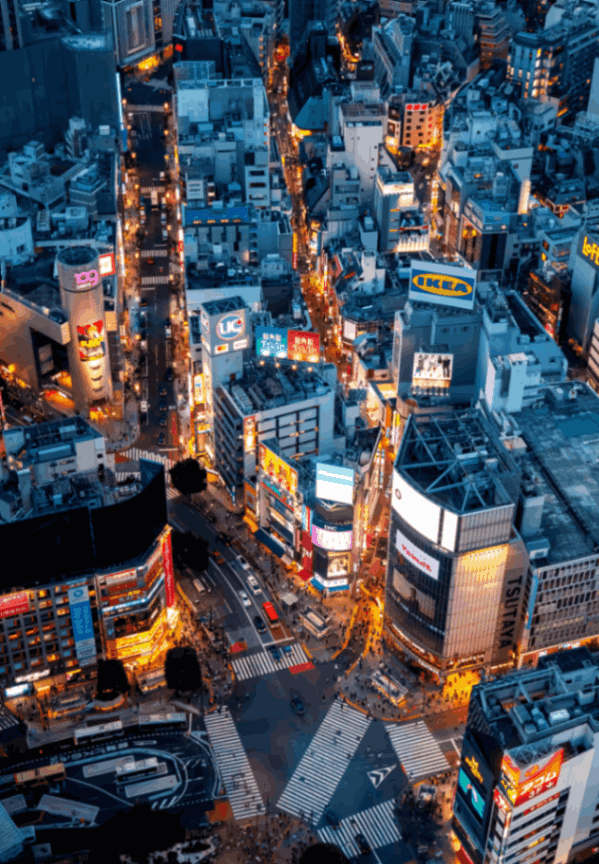
- Shibuya Crossing (Tokyo) for the city’s energy.
If you want Japan attractions that feel instantly recognisable while still leaving room for relaxed wandering, Tokyo delivers.
Kyoto
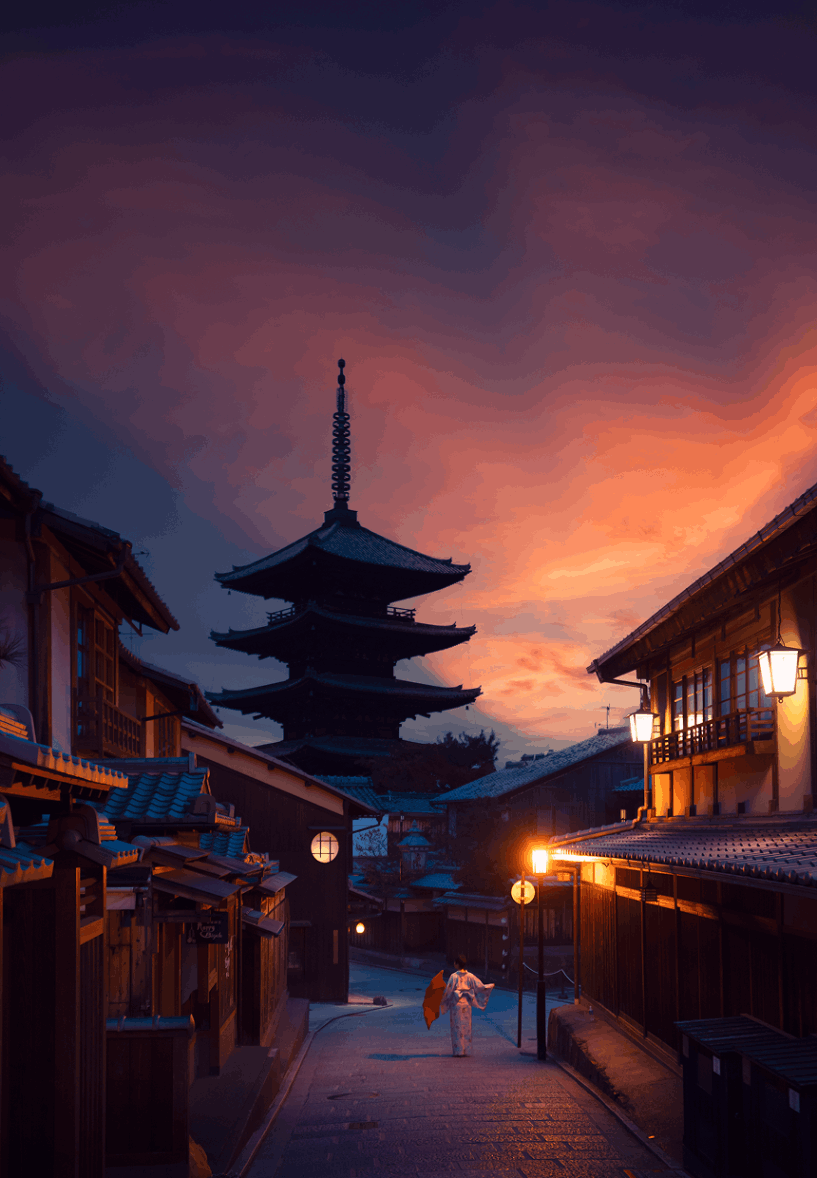
Kyoto is where Japan’s heritage feels closest. SOTC highlights the city for shrines, temples, and gardens, making it ideal for travellers who want places to see in Japan that feel timeless. Kyoto is also a place where small choices improve the day, such as starting earlier, moving at a slower pace, and giving yourself time between sights so the experience feels immersive rather than rushed.
Key experiences:
- Fushimi Inari Shrine.
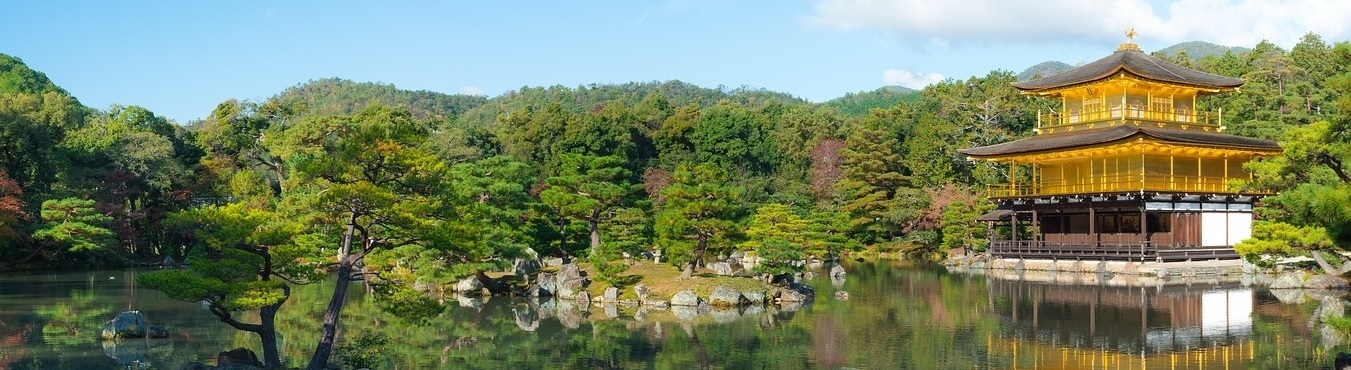
- Kinkaku-ji (Golden Pavilion).
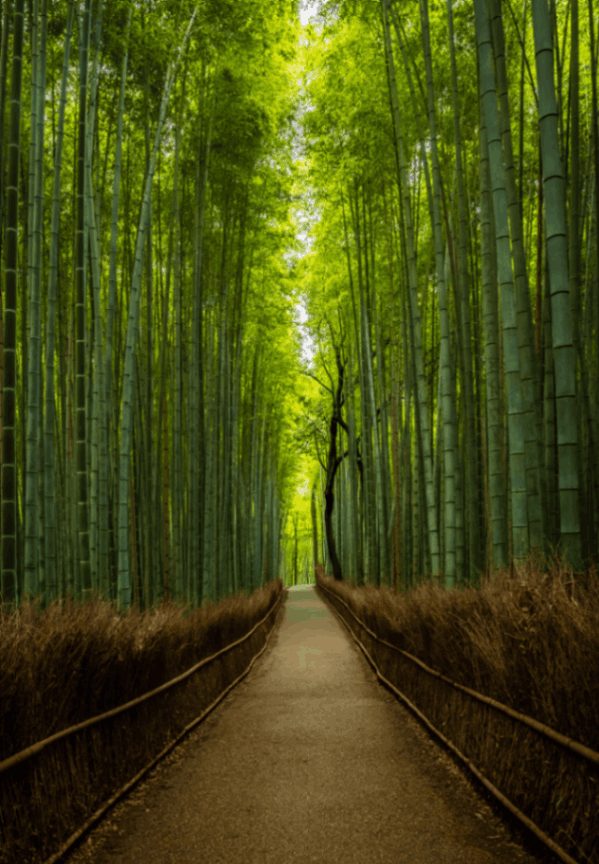
- Arashiyama Bamboo Grove.
Osaka
Osaka is lively and easy-going, offering a different pace from Kyoto’s softer pace. SOTC positions it as an essential stop for travellers who enjoy city energy and evenings that feel bright and social. It is also an easy city to navigate for sightseeing, and it pairs well with short extensions to nearby areas if you want more variety.
Key experiences:
- Osaka Castle.
- Evening strolls through lively neighbourhoods.
Nara
Nara fits beautifully into a classic route because it offers a slower day that still feels iconic. It is a comfortable day trip when you want places to go in Japan with open-air walking and heritage stops. Many travellers enjoy Nara as a mid-trip breather, mainly when the itinerary includes several big city days back-to-back.
Key experiences:
- Todai-ji Temple and the Giant Buddha.
- Nara Deer Park.
Hiroshima
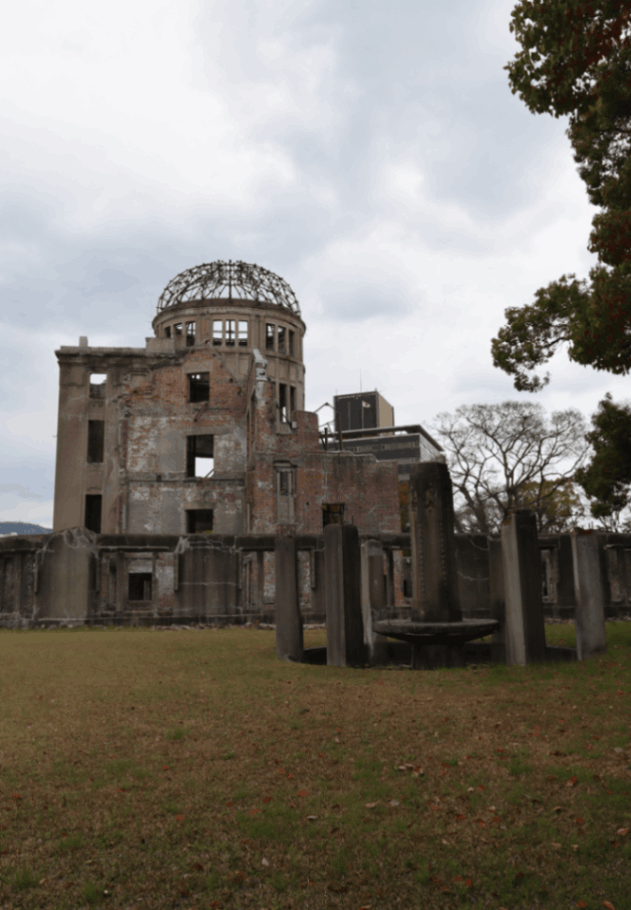
Hiroshima is powerful and meaningful. SOTC notes that the city’s main sightseeing is centred around peace, often including the Peace Park, memorial spaces, and the museum. It can be balanced with a heritage stop and a garden visit so the day feels well-rounded.
Key experiences:
- Peace-focused landmarks.
- Hiroshima Castle.
- Shukkei-en’s Sunken Garden.
Sapporo
Sapporo brings out Japan’s northern personality. SOTC highlights the city for ramen culture and snow, and it is known for a snow festival mood and ice sculptures in Odori Park. If you enjoy winter travel, Sapporo can add a distinct northern flavour that feels very different from Tokyo or Kyoto.
Key experiences:
- Winter ambience and city scenes.
- Food-focused evenings.
Fukuoka
Fukuoka is a thoughtful add-on for travellers who want to explore beyond the usual loop. It can suit longer itineraries and travellers who prefer a more regional city break, especially when you want the trip to feel less like a standard first-timer circuit.
Key experiences:
- Fukuoka’s food culture and local dining scenes.
- Easy city exploring with a relaxed pace.
- A refreshing change from the main tourist loop.
Nagoya
Nagoya suits travellers who like a smooth, well-connected route. It often pairs naturally with heritage sightseeing such as Nagoya Castle, and it can work well when you want a steady pace between major regions.
Key experiences:
- Nagoya Castle is a heritage highlight.
- Comfortable city touring with a steady pace.
- A convenient stop that keeps travel days manageable.
Kobe
Kobe is often added as a short extension from Osaka when you want a change of scenery without major re-planning. It works well for a lighter day, especially if you want a calmer mood before returning to busier cities.
Key experiences:
- Easy city extension from Osaka.
- Relaxed exploring and a change of pace.
- A simple add-on to widen your list of tourist places in Japan.
Yokohama
Yokohama is a comfortable Tokyo extension with a calmer, waterfront feel. It suits travellers who want a relaxed day, and stops such as the Cup Noodles Museum can make it especially appealing for families and food lovers.
Key experiences:
- Cup Noodles Museum for a fun, family-friendly outing.
- Waterfront-style strolling and an easy day-trip flow.
- A calmer alternative to packed Tokyo neighbourhoods.
Top Places to Visit in Japan
A well-structured itinerary typically combines skyline icons, heritage temples and shrines, and at least one scenic day to provide a refreshing break from city touring, making it ideal for Japan tour packages.
Mount Fuji (Yamanashi/Shizuoka)
Mount Fuji is one of the most iconic Japanese tourist places and a key highlight in SOTC’s Japan travel guidance. Many itineraries include Fuji-view regions such as Hakone or Lake Kawaguchiko to balance city days with mountain scenery. A Fuji-view day is often the scenic reset that makes the trip feel complete, mainly when your itinerary includes a lot of city walking and shopping.
Tokyo Tower (Tokyo)
Tokyo Tower is a headline landmark that fits neatly into a city day. It is ideal for classic skyline photos and a clear sense of Tokyo’s scale without overcomplicating your route. Pair it with nearby neighbourhood exploring so the day feels varied, and use the tower visit as a big moment that anchors your Tokyo sightseeing plan.
Fushimi Inari Shrine (Kyoto)
Fushimi Inari is a key reason travellers fall in love with Kyoto. SOTC highlights it as an essential shrine experience and a strong choice when you are building a heritage-led day. Give yourself time to walk at a leisurely pace and absorb the atmosphere, because it is the overall setting that makes the experience memorable.
Kinkaku-ji (Golden Pavilion) (Kyoto)
Kinkaku-ji is often paired with other temple-and-garden stops, so the day feels balanced. It suits travellers who want classic Kyoto heritage and a landmark that feels instantly recognisable. If you are shortlisting the best places to visit in Japan for culture, this is a dependable pick, and it fits nicely into a Kyoto day that also includes quieter garden time.
Arashiyama Bamboo Grove (Kyoto)
SOTC calls out the Sagano Bamboo Forest in Arashiyama as a standout nature-meets-culture stop. It is one of the popular Japanese sightseeing places that feels calm and photogenic, primarily when you treat it as a slow walk rather than a quick photo break. It is also a good choice when you want a nature moment without leaving Kyoto’s main tourist flow.
Himeji Castle (Hyogo)
Himeji Castle is a rewarding heritage stop for travellers who enjoy architecture. It adds variety beyond shrine and temple routes and makes the itinerary feel more rounded. A castle visit also changes the visual language of the trip, moving from spiritual sites and gardens to dramatic historic structures.
Itsukushima Shrine (Floating Torii Gate) (Miyajima Island)
This shrine is a popular choice for travellers pairing Hiroshima with an island-style day. It blends coastal scenery with cultural landmarks and offers a different mood from big-city touring. Many travellers add it when they want memorable photographs and a scenic backdrop that feels distinct from the usual city skyline views.
Todai-ji Temple & Giant Buddha (Nara)
Todai-ji and the Giant Buddha often anchor a Nara day trip. It suits travellers who want a strong cultural impression without a complicated schedule. Pair it with time in the park nearby so the day stays calm and enjoyable, especially if the rest of your trip includes busy city neighbourhoods.
Shibuya Crossing (Tokyo)
Shibuya Crossing is a classic modern Tokyo moment that captures the city’s fast-moving energy. It is easy to include between shopping areas and landmark stops, and it is one of those quick experiences that still feels like a signature Tokyo memory.
Nikko Toshogu Shrine (Nikko)
Nikko is often chosen as a scenic add-on when travellers want places to see in Japan beyond the big cities. Nikko Toshogu Shrine brings a heritage feel that fits well with a slower day-trip rhythm and a more scenic setting. It is a good option when your itinerary already covers the significant city icons, and you want one day with a different pace.
Osaka Castle (Osaka)
Osaka Castle is a key highlight in the city and an easy way to add history to an otherwise modern itinerary. It pairs well with Osaka’s lively evenings, so you get both heritage and bright street energy in one day. Many travellers like it because it adds a clear sightseeing anchor to Osaka.
Owakudani Volcanic Valley (Hakone)
Owakudani fits travellers who want dramatic natural landscapes as part of the trip. It is often included in Hakone sightseeing loops that may also feature scenic rides and lake views. It is a substantial addition when you want to travel to Japan and visit places that contrast with city days and give you a sense of the country’s varied terrain.
Senso-ji Temple (Tokyo (Asakusa))
Senso-ji adds a traditional flavour to a Tokyo itinerary and pairs well with easy neighbourhood walking in Asakusa. It suits travellers who like cultural sightseeing that feels approachable, with time for browsing nearby streets and soaking in the atmosphere. It is a good counterbalance to Tokyo’s high-energy districts.
Nagoya Castle (Nagoya)
Nagoya Castle is a comfortable heritage stop that can anchor a Nagoya day. It suits travellers who enjoy mixing city touring with historical landmarks and prefer a steady pace rather than a packed schedule. This can be a satisfying choice when you want to include a castle experience without shifting your entire itinerary.
Nara Deer Park (Nara)
Nara Park is light, open, and family-friendly, and it fits beautifully between busier city days. A simple walk here can become the highlight of the day, especially when combined with nearby heritage sights. It is also one of the most relaxed ways to add nature and open space to a classic Japan itinerary.
Snow Monkey Park (Nagano)
Snow Monkey Park is a nature-led option for travellers who want something different from city icons. It adds variety to a trip focused on temples, towers, and shopping, and it can be a memorable outdoor experience. If you want to personalise your route, a day like this can help the itinerary feel more unique.
Cup Noodles Museum (Yokohama)
The Cup Noodles Museum is often chosen by families and food lovers who want a lighter kind of sightseeing. It fits neatly into a Tokyo extension day and adds a playful break from temples and landmark viewpoints. It is also a nice option when you want to keep the day easy and engaging.
Popular Japan Tour Packages
The best places to visit in Japan are easiest to enjoy when transfers, hotels, and sightseeing are stitched together thoughtfully. That is where SOTC packages can help Indian travellers. Once you have finalised Japan travel places you do not want to miss, SOTC can shape them into a route that keeps travel comfortable and avoids unnecessary back-and-forth.
What People Want to Know About Places to Visit in Japan
Best places to visit in Japan queries usually come down to how many days you have, which cities you are most curious about, and whether you prefer heritage, nature, or modern nightlife. Your budget and travel style also play a significant role, especially if you want a relaxed pace versus a fast-moving itinerary. Once you decide your top priorities, it becomes much easier to picked places to go in Japan and build a route that feels balanced from start to finish.
1. Which part of Japan should you visit?
For most first trips, the central loop is the simplest choice: Tokyo for modern energy, Kyoto for heritage, and Osaka for lively evenings, with Nara as a calmer day trip. This covers many tourist places in Japan with a manageable flow and keeps planning straightforward.
2. What are the must-visit places in Japan?
Must-sees typically mix city icons and heritage. Tokyo Tower, Shibuya Crossing, and Senso-ji bring out Tokyo’s modern and traditional sides. Kyoto’s shrine-and-temple highlights, such as Fushimi Inari and Kinkaku-ji, add to the heritage core. Add Mount Fuji day, and you have a balanced set of places to visit in Japan.
3. Is Osaka or Tokyo better?
Tokyo usually wins for variety, with shopping areas like Ginza, skyline moments, and multiple neighbourhood moods. Osaka often feels more playful, with a lively evening atmosphere and heritage stops such as Osaka Castle. Many travellers choose both, so the itinerary includes more Japanese tourist places without repeating the same style of day.
4. Do you need a visa to visit Japan?
Yes. Indian passport holders generally need a visa to visit Japan for tourism. You should apply for a Japan tourist visa before travel, and submit the required documents through the Japan Visa Application Centre or the authorised process advised by SOTC.
5. What to do before a Japan trip?
Keep your travel documents organised and ensure your flight and hotel details are easy to access while travelling. It also helps to follow guidance at temples and shrines and remove footwear where required, so your sightseeing days feel smoother.
6. What are the best places to visit in Japan for first-time travelers?
The best places for first-time travellers to visit are Tokyo, Kyoto, Osaka, Nara, and Hakone because they cover modern city life, heritage temples, food streets, relaxed day trips, and Mount Fuji views in a simple route.
7. What are the top tourist attractions in Japan?
Top favourites often include Tokyo Tower, Shibuya Crossing, Senso-ji, Fushimi Inari, Kinkaku-ji, and Osaka Castle. Hiroshima’s peace-focused landmarks are also high on the list for travellers who want meaningful experiences. Together, these cover many tourist places in Japan that suit balanced routes.
8. What are some unique places to visit in Japan off the beaten path?
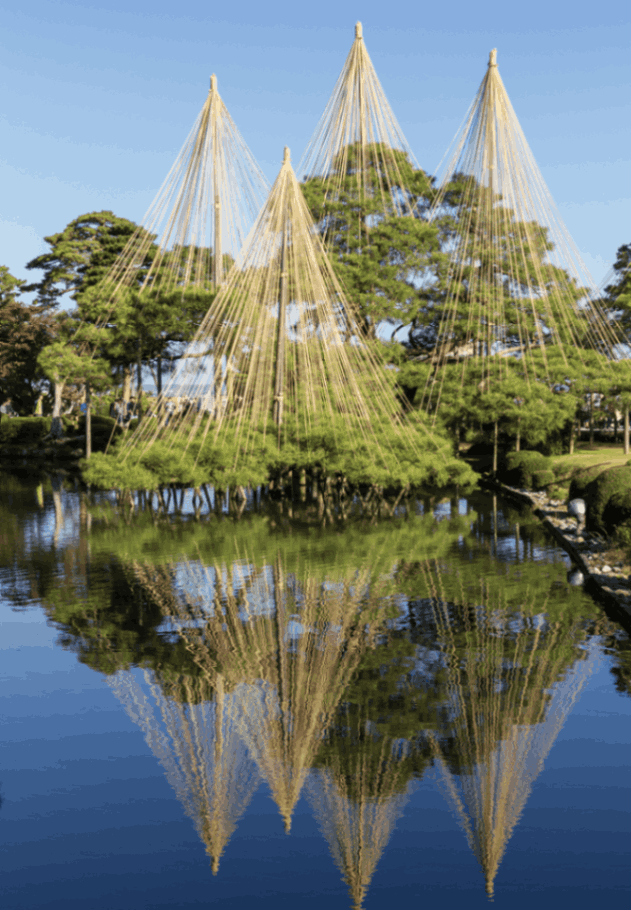
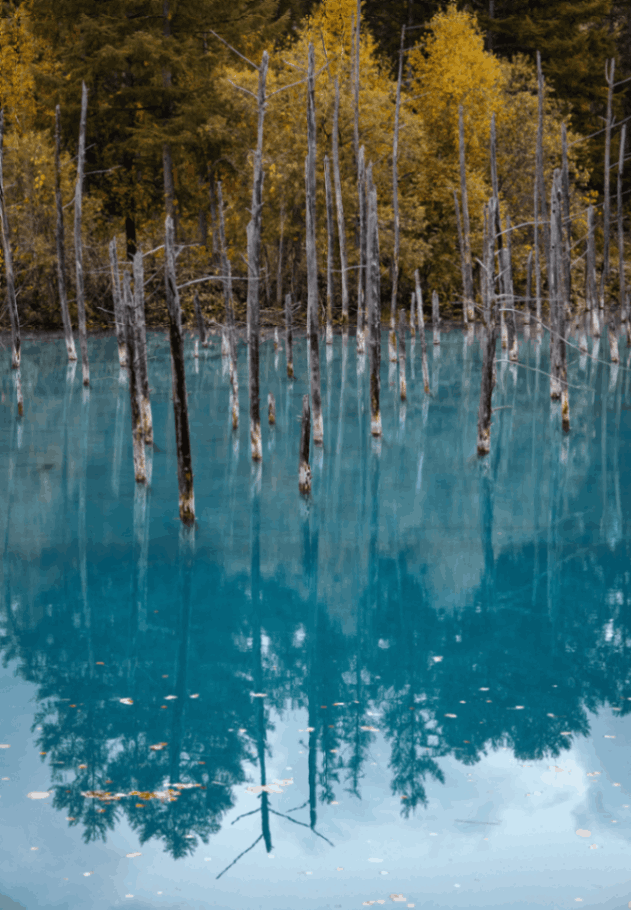
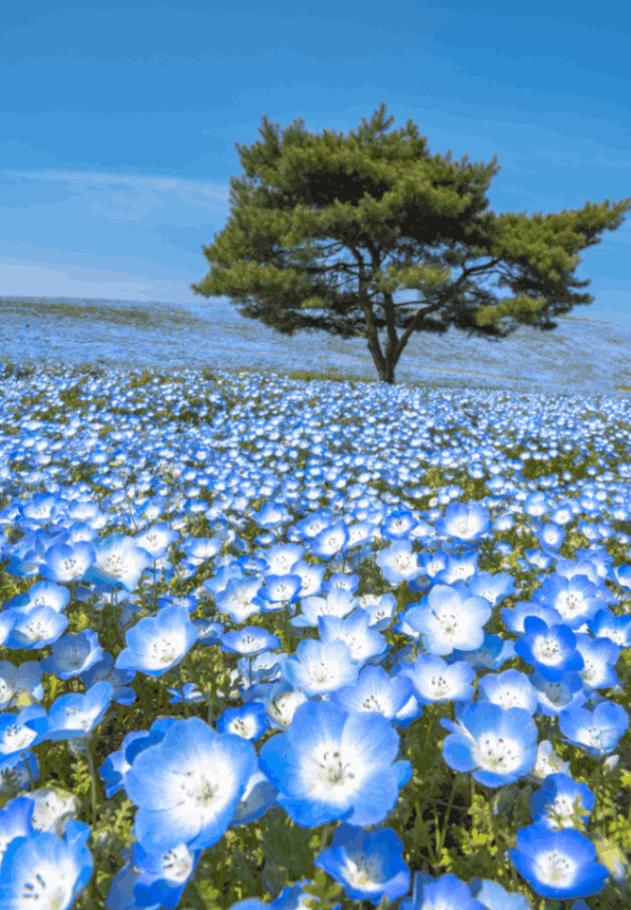
If you want scenery and calmer visual highlights, SOTC points travellers towards places such as Kenrokuen Garden and Blue Pond. These Japanese travel places can add variety and a different mood to your holiday.
9. When is the best time to visit popular places in Japan?
The best time to visit Japan depends on what you want from the trip. Spring suits travellers who enjoy gardens and a festive outdoor mood. Autumn works well for comfortable walking and scenic colour. Winter is ideal if you want a cosy city atmosphere and northern experiences such as those around Sapporo.
10. What are the best historical sites to visit in Japan?
Kyoto’s temples and shrines are a strong starting point for heritage-led travel. Add a castle
experience, such as Himeji Castle or Osaka Castle, for architectural variety. Hiroshima adds modern historical significance through peace-focused landmarks, creating a deeper travel memory.
11. Are there any UNESCO World Heritage Sites in Japan worth visiting
Many culturally significant temples, shrines, and historic areas feature in popular itineraries. Shortlist the Japanese tourist places you are most excited about, then confirm recognitions and inclusions through SOTC’s itinerary details while planning.
12. Which places are best for nature and outdoor experiences in Japan?
For nature and outdoor time, include a Mount Fuji-view day through Hakone or Lake Kawaguchiko, add Kyoto’s gardens, and consider scenic additions such as Kenrokuen Garden or Blue Pond if they fit your route. These places to see in Japan balance busy city days with calmer outdoor experiences.