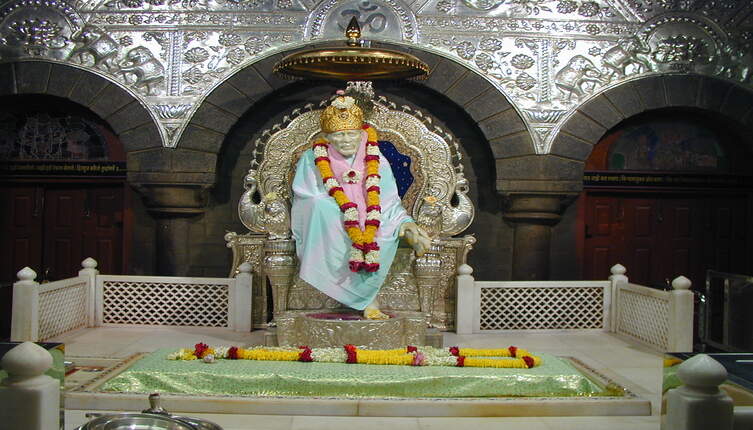
Shirdi is one of India’s most cherished spiritual destinations, where faith, peace and devotion come together in a simple yet powerful way. The most important places to visit in Shirdi include Sai Baba Samadhi Mandir, Dwarkamai, Chavadi, Gurusthan, Lendi Baug and Sai Heritage Village.
For many Indian families, a Shirdi trip is more than a holiday. It is a chance to seek blessings, attend aarti, spend quiet moments at sacred sites and explore nearby pilgrimage places such as Shani Shingnapur, Nashik and Trimbakeshwar.
Top Shirdi Tourist Attractions to Explore in Shirdi
Shirdi is centred around Sai Baba’s life, teachings and sacred places connected to him. Most main attractions are close to each other, so devotees can cover them comfortably with proper planning.
Sai Baba Samadhi Mandir
Sai Baba Samadhi Mandir is the main temple in Shirdi and the most visited spiritual site in the town. Devotees come here for darshan, aarti and quiet prayer at Sai Baba’s samadhi.
The temple can get crowded during weekends, holidays, Guru Purnima and Ram Navami. Booking darshan or aarti through the official portal is a good idea during busy periods.
Dwarkamai
Dwarkamai is one of the most sacred places of interest in Shirdi. Sai Baba spent a major part of his life here, and devotees believe the place carries a deep sense of peace.
The sacred dhuni is one of the most important parts of Dwarkamai. Many visitors sit here for a few minutes before moving to other nearby sites.
Chavadi
Chavadi is another important place connected with Sai Baba’s daily life. He used to spend alternate nights here during his later years.
It is located close to the main temple area, so visitors can easily include it during the same visit.
Gurusthan
Gurusthan means the place of the guru. It is believed to be one of the first places where Sai Baba was seen in Shirdi.
The neem tree and small shrine here make it a calm stop for devotees. Visit early in the day if you want a less crowded experience.
Sai Heritage Village
Sai Heritage Village gives visitors a simple view of Sai Baba’s life and old Shirdi. It has displays, village-style settings and scenes related to Sai Baba’s teachings.
Families with children may find this place useful because it explains Shirdi’s spiritual story in an easy visual form.
Khandoba Temple
Khandoba Temple is believed to be the place where Sai Baba was first welcomed as “Sai”. It is an important stop for devotees who want to understand the early story of Shirdi.
The temple is simple, peaceful, and usually takes little time to visit.
Wet N Joy Water Park
Wet N Joy Water Park is a fun break from temple visits, especially for families travelling with children, and is often included in Shirdi tour packages. It has water rides, pools and leisure areas.
Keep this for the second half of the day if your darshan and temple visits are completed in the morning.
Lendi Baug
Lendi Baug is a peaceful garden where Sai Baba used to spend time. It is a good place for quiet walking and reflection.
The garden offers a softer, calmer experience after the main temple crowds.
Dixit Wada Museum
Dixit Wada Museum has old photographs, personal items and objects connected with Sai Baba and his devotees. It is useful for travellers who want to know more about Sai Baba’s life.
The museum can be covered quickly, but it adds meaning to the Shirdi visit.
Maruti Mandir
Maruti Mandir is a small temple dedicated to Lord Hanuman. It is one of the older spiritual stops in Shirdi.
Devotees usually visit it along with other nearby temples and sacred sites.
Spiritual & Cultural Experiences in Shirdi
Shirdi is not only about visiting temples. The real experience comes from attending aarti, walking through sacred places, sitting quietly and understanding the simple message of faith and patience.
Sai Baba Temples & Sacred Sites
Sai Baba Samadhi Mandir, Dwarkamai, Chavadi, Gurusthan and Lendi Baug are the main spiritual sites in Shirdi. Together, they form the heart of the pilgrimage.
These places are close to each other, so devotees can visit them without much travel inside town.
Pilgrimage Experiences & Aarti Timings
Aarti is one of the most meaningful experiences in Shirdi. Kakad Aarti, Madhyan Aarti, Dhoop Aarti and Shej Aarti are attended by many devotees.
Timings may change during special days, so it is better to check the official Sansthan website before booking your visit.
Family-Friendly Attractions & Local Experiences
Families can combine temple darshan with Sai Heritage Village, Wet N Joy Water Park and local shopping. This keeps the trip balanced for children and senior citizens.
Local shops sell Sai Baba photos, books, prasad, shawls, idols and small souvenirs.
Best Time to Visit Shirdi
Shirdi can be visited throughout the year, but winter is more comfortable for darshan and local Shirdi sightseeing places. Weather, crowd levels and festival dates should be considered before planning.
Winter Season for Comfortable Darshan
October to February is a pleasant time to visit Shirdi. The weather is cooler, which makes temple queues and walking easier.
Monsoon Travel Experiences in Shirdi
Monsoon brings a fresh feel to the town and nearby areas. The weather is usually better than peak summer, but rain can slow local travel.
Summer Travel Tips for Shirdi
Summer can be hot in Shirdi, especially in the afternoon. Plan a darshan early in the morning or later in the evening.
Wear light cotton clothes, drink enough water and avoid long outdoor walks during peak heat.
How to Reach Shirdi
Shirdi is well connected by air, train and road. Travellers from Mumbai, Pune, Nashik, Hyderabad and other Indian cities can choose the route that suits their budget and time.
By Air
Shirdi has an airport, and flights may operate from selected Indian cities depending on airline schedules. Many travellers also use Mumbai, Pune or Nashik as alternate airport options.
By Train
Sainagar Shirdi railway station connects the town with several parts of India. Trains are a comfortable choice for devotees travelling from Maharashtra and nearby states.
By Road
Shirdi is well connected by road from Mumbai, Pune, Nashik, Aurangabad and Ahmednagar. Buses, private cabs and self-drive trips are common.
Where to Stay in Shirdi
Shirdi has many stay options, from budget lodges to premium hotels. Most travellers prefer staying close to the Sai Baba Temple for easy darshan access.
Budget Hotels Near Sai Baba Temple
Budget hotels near the temple are suitable for short stays and early morning darshan. Many are simple but convenient.
Premium Hotels & Comfortable Family Stays
Premium hotels offer better rooms, dining options and travel desk support. They are good for families who want comfort without being far from the temple.
Luxury Hotels & Resort Experiences
Luxury hotels and resort-style stays are suitable for travellers who want a slower, more relaxed trip. These may offer larger rooms, better dining and more open space.
Experiences by Travel Interest in Shirdi
Every traveller visits Shirdi for a slightly different reason. Some come only for Sai Baba darshan, while others plan a longer spiritual route across Maharashtra.
Spiritual & Pilgrimage Experiences
The main spiritual experiences include Sai Baba Samadhi Mandir, Dwarkamai, Chavadi, Gurusthan and Lendi Baug. Attending aarti adds depth to the visit.
Family-Friendly Attractions
For families, Sai Heritage Village and Wet N Joy Water Park can be added after temple visits. These places make the trip easier for children.
Religious Tours & Temple Trails
Shirdi can be combined with Shani Shingnapur, Trimbakeshwar, Nashik and Aurangabad. These routes are popular for devotees planning a short temple trail in Maharashtra.
Places to Visit Near Shirdi
There are several places to visit near Shirdi for devotees and family travellers. These nearby destinations can turn a simple Shirdi darshan trip into a fuller Maharashtra pilgrimage.
Shani Shingnapur
Shani Shingnapur is a famous temple dedicated to Lord Shani. Many devotees visit it along with Shirdi on the same trip.
It is one of the most popular attractions near Shirdi and is usually covered by road.
Nashik
Nashik is known for the Godavari River, temples, vineyards and religious sites. It is a good addition for travellers who want both pilgrimage and leisure.
Panchavati and Kalaram Temple are Shirdi tourist spots in Nashik.
Trimbakeshwar
Trimbakeshwar is one of the twelve Jyotirlingas and a major Shiva temple near Nashik. It is a highly respected pilgrimage site.
Many travellers combine Shirdi, Nashik and Trimbakeshwar in a 2 to 3 day plan.
Aurangabad
Aurangabad is known for Ajanta and Ellora Caves, Bibi Ka Maqbara and other heritage sites, and is well covered in Aurangabad tour packages. It is a good choice for travellers who want to add history to a spiritual trip.
Frequently Asked Questions
How can I spend 2 days in Shirdi?
On day one, visit Sai Baba Samadhi Mandir, Dwarkamai, Chavadi, Gurusthan and Lendi Baug. On day two, visit Sai Heritage Village, Wet N Joy Water Park or Shani Shingnapur. Keep time for aarti if you have booked it.
How to get a quick darshan in Shirdi?
Quick darshan can be planned through the official Shree Saibaba Sansthan Trust online portal, subject to availability and rules. During festivals and weekends, book early and check the latest official instructions before travelling.
What is the best time to visit Shirdi?
October to February is the most comfortable time to visit Shirdi because the weather is cooler. Early mornings and evenings are better for darshan, especially for senior citizens and families with children.
What is Shirdi famous for?
Shirdi is famous for Sai Baba Samadhi Mandir and sacred places linked to Sai Baba’s life, including Dwarkamai, Chavadi, Gurusthan and Lendi Baug. It is one of India’s most visited pilgrimage towns.
What are the best places to visit in Shirdi?
Sai Baba Samadhi Mandir, Dwarkamai, Chavadi, Gurusthan, Sai Heritage Village, Khandoba Temple, Lendi Baug and Dixit Wada Museum are some of the main attractions in Shirdi.
Which attractions are most famous in Shirdi?
The most famous attractions are Sai Baba Samadhi Mandir, Dwarkamai, Chavadi and Gurusthan. These sites are closely connected with Sai Baba’s life and are visited by most devotees.
Which temples and spiritual places are popular in Shirdi?
Sai Baba Samadhi Mandir, Dwarkamai, Chavadi, Gurusthan, Khandoba Temple and Maruti Mandir are popular spiritual places in Shirdi. Many devotees also attend aarti at the main temple.
Is Shirdi suitable for family vacations?
Yes, Shirdi is suitable for family trips. The town has hotels, restaurants, temple access, local transport and family attractions such as Sai Heritage Village and Wet N Joy Water Park.
Which places to visit near Shirdi are ideal for short trips?
Shani Shingnapur, Nashik and Trimbakeshwar are ideal short trips from Shirdi. Aurangabad can also be added if you want to include heritage places such as Ellora Caves.
What are the famous food items and shopping places in Shirdi?
Shirdi has simple vegetarian meals, Maharashtrian snacks, thalis, sweets and prasad shops. For shopping, look around the temple market for Sai Baba photos, books, shawls, idols and prayer items.