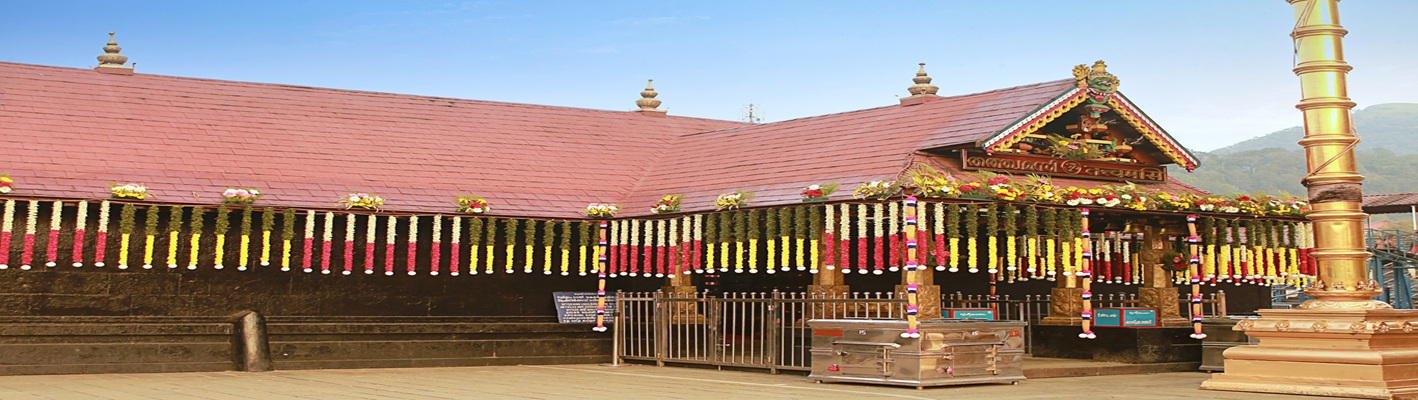
Planning a trip to Sabarimala can feel emotional as well as exciting. For many devotees, visiting the Sabarimala Ayyappa Temple is not just another journey, but a promise made to Lord Ayyappa and a wish fulfilled with family and friends by their side.
This guide brings together all the essential details you need in one place, so you can focus on your prayers while we help you with the planning.
About Sabarimala Temple
This temple is one of the most revered pilgrimage centres in India, dedicated to Lord Ayyappa. Nestled deep inside the forests of the Western Ghats in Kerala’s Pathanamthitta district, this hill shrine draws crores of devotees every year, especially during Mandala and Makaravilakku seasons.
For many families, a pilgrimage to Sabarimala is a tradition passed down through generations. Devotees refer to the shrine with deep love as Sabarimala Ayyappa Swamy, reflecting the strong emotional bond with the deity. The temple stands about 3,000 feet above sea level, surrounded by hills and dense forests, inside the Periyar Tiger Reserve Sabarimala region.
When you plan your trip, you are not just planning travel, but a complete spiritual journey. Many devotees combine their tour with wider Kerala trips that cover nearby temples, wildlife and backwaters.
Significance of Lord Ayyappa & Sabarimala Pilgrimage
This section gives a simple overview of why Lord Ayyappa is worshipped here and what makes the pilgrimage so special for devotees from across India and abroad.
History of Sabarimala Temple
According to legend, Lord Ayyappa is the son of Lord Shiva and Mohini, the avatar of Lord Vishnu. Sabarimala is believed to be the place where Ayyappa meditated after defeating the demoness Mahishi. The Sabarimala Devasthanam board oversees the temple and its rituals today.
Over time, the Sabarimala Ayyappa Temple grew into a powerful symbol of faith and discipline. The path is not easy, the trek is long, and many devotees observe a 41-day vratham (austerity) before starting their pilgrimage. This includes strict lifestyle changes, simple food and daily prayers dedicated to Swamy Ayyappa.
Why Millions Visit Every Year?
Devotees believe that one sincere pilgrimage can wash away the burden of past karma and bring inner peace. Crores of pilgrims come during the Mandala Kalam and Makaravilakku seasons, forming long queues for Sabarimala darshan tickets through the virtual queue system.
People travel in groups, sing bhajans, and chant “Swamiye Saranam Ayyappa” along the way. Many families plan a complete trip with their trusted brands like SOTC, which also offer special Sabarimala tour packages that cover other temples and tourist spots.
Sabarimala Temple Timings
Before any Sabarimala booking, it is important to understand temple opening and closing timings so you can match your travel plan correctly.
Regular Daily Temple Timings
On normal days when the shrine is open, the temple usually opens early in the morning for Nirmalyam and closes late at night after Harivarasanam. In many seasons, the temple opens around 3:00 am–5:00 am and closes by 10:00 pm–11:00 pm, but timings may change during peak days and special poojas.
Special Timings During Mandala Pooja
Mandala Pooja is the main season of Sabarimala tourism. The Mandala Kalam usually starts in mid-November and continues till late December. During this period, the temple remains open continuously, and special rituals are conducted every day.
Darshan slots fill up quickly, so online booking for Sabarimala for the virtual queue should be done well in advance.
Special Timings During Makaravilakku Festival
After Mandala Pooja, the temple opens again for the Makaravilakku season, roughly from the end of December to mid-January. The Makaravilakku day, which falls on Makara Sankranti, is the grand finale of the pilgrimage season.
On these days, temple timings may be extended to manage the large crowd, so devotees should use online booking for Sabarimala darshan and follow the rules carefully.
Darshan, Pooja & Nada Opening Timings
The Sannidhanam doors open for Nirmalyam and morning poojas early, and again in the evening for Deeparadhana. While most devotees come for regular darshan, many also opt for special poojas through Sabarimala pooja online booking services.
Those who want specific offerings like Pushpabhishekam and Ganapathi Homam through the official Sabarimala online portals, which are managed by the Travancore Devaswom Board (TDB).
Sabarimala Festival Seasons & Peak Pilgrimage Periods
Knowing the main seasons helps you time your visit, manage your Sabarimala trip details, and avoid last-minute rush.
Mandala Pooja Season (Mid-Nov to Late Dec)
Mandala Kalam is the prime time for Sabarimala Kerala tourism. Devotees first observe the vratham and then travel to Sabarimala for darshan. The temple stays open throughout this period.
Makaravilakku Season (Mid-Dec to Mid-Jan)
The Makaravilakku season begins soon after Mandala Pooja and ends in January. The famous Makara Jyothi sighting and the Thiruvabharanam procession draw enormous crowds, so proper trip planning becomes very important.
Sabarimala Online Booking Guide
Online systems have made it easier to plan your Sabarimala travel, book darshan, poojas and rooms. This small guide will help you understand the basic steps.
The official Travancore Devaswom Board portals, like sabarimalaonline.org, provide online booking for Sabarimala.
You can register with your mobile number and email, then log in to book darshan tickets, check availability and complete your Sabarimala darshan booking. Guides like Sabarimala Virtual Q booking pages clearly explain slot selection and limits per account.
Most darshan slots issued through Virtual Q are free, so the Sabarimala ticket price for the basic darshan ticket is zero. However, special poojas and offerings may have separate rates decided by the Sabarimala Devasthanam.
For those who prefer full assistance, SOTC and other Sabarimala tour and travel providers offer guided Sabarimala tour packages options where darshan, stay, and local transport are planned end-to-end.
Sabarimala Accommodation Guide
Finding the right stay is very important, especially during the Mandala and Makaravilakku seasons. This part explains your stay options and how to manage Sabarimala room booking smoothly.
Sannidhanam Accommodation Options
Staying near the sanctum is a blessing for many pilgrims. There are simple rooms, choultries and lodges at Sannidhanam managed by the Devaswom and other trusts. Devotees look for accommodation at Sabarimala Sannidhanam so they can attend early morning poojas with ease.
Pamba Accommodation Options
Pamba is the main base camp by the river before you start the trek. It has pilgrim shelters, rooms, and basic facilities. Many organisers suggest at least one guest house in Sabarimala or at Pamba for families with children.
Both accommodation bookings in Sabarimala and nearby Pamba lodges get full quickly on peak days, so early planning with your operator is strongly advised.
Guest Houses, Temple Board Rooms & Dormitories
The Travancore Devaswom Board runs dormitories, rooms and guest houses. Using official accommodation booking at Sabarimala systems or services recommended by the board helps you stay close to the temple and avoid confusion.
Nearby Hotels Near Sabarimala
If you prefer more comfortable stays, you can pick a hotel near Sabarimala in towns like Pathanamthitta, Ranni, Erumely or Chengannur. These places offer better room types and food choices.
Many families combine their temple tour with nearby attractions and choose hotels as part of Kerala tour packages, covering multiple tourist places and other sightseeing spots.
How to Reach Sabarimala
Reaching Sabarimala involves a mix of road travel and a trek. Understanding the route to Sabarimala in advance will help you plan your trip comfortably.
By Road
Most pilgrims travel to Sabarimala by bus, car or van. KSRTC and private buses operate to Pamba from major towns in Kerala like Kottayam, Pathanamthitta, Ernakulam and Thiruvananthapuram. From Pamba, a 5 km trek through the forest leads to the Sannidhanam.
For first-time visitors, a clear route helps in understanding roads through Nilakkal, Pamba and nearby hubs. Many SOTC tour plans include arranged road transfers, food halts and local support.
By Air
The nearest airports are Thiruvananthapuram and Kochi. From the airport, you can follow the Sabarimala flight route to reach Kottayam or Pathanamthitta by train or road and then continue to Pamba.
Many SOTC Kerala tour packages include airport pick up and drop, making your travel to Sabarimala more comfortable.
By Train
Nearest railway stations are Chengannur, Kottayam and Thiruvalla. From there, you can hire a cab or take a bus to Pamba. Most railheads are well connected to South Indian cities, helping pilgrims from other states plan a smooth Sabarimala travel schedule.
If you are confused about how to reach the destination, travel experts at SOTC or your local tours and travels partner can help you choose the best combination of train and road.
Travel Restrictions During Mandala & Makaravilakku
During the peak season, there may be restrictions on private vehicles, night movement through forest roads and specific routes. Authorities focus strongly on safety and crowd control, especially for children and senior citizens.
Things to Do in Sabarimala
While the primary purpose is darshan, there are many things to do in Sabarimala that add depth to your spiritual journey and your overall Sabarimala tourism experience.
Darshan at Sabarimala Ayyappa Temple
The main darshan is the heart of your visit. With proper Sabarimala temple darshan booking through the virtual queue, you can plan your entry time and avoid long waiting hours. Many pilgrims plan their darshan to reach the Sannidhanam in the cool early hours.
Visit to Vavar Shrine, Malikappuram Devi Temple
Near the main shrine, devotees also visit the Vavar Swamy mosque and Malikappuram Devi temple. These places add a unique, inclusive feel to your Sabarimala pilgrimage.
Trekking Trails Around Sabarimala
The trek from Pamba to Sannidhanam is simple yet powerful. Some experienced pilgrims take traditional forest routes under guided supervision, but most use the main steps. Devotees should strictly follow official advice and safety guidelines during Sabarimala travel, especially at night.
Exploring Periyar Tiger Reserve Near Sabarimala
Many nature lovers combine their trip to Sabarimala with visits to nearby forest areas and the larger Periyar region. This allows them to enjoy the greenery and wildlife while keeping the focus on devotion.
Places to Visit in Sabarimala
Once you have planned your darshan, you can explore the beautiful places to visit in Sabarimala and around Pamba and Nilakkal.
Sabarimala Malikappuram Temple
Just next to the main shrine, the Malikappuram Devi temple is a must-visit. Most organisers automatically include it in every Sabarimala trip plan.
Pampa Ganapathy Temple
Before starting the trek from Pamba, devotees pray at the Pampa Ganapathy temple. It is a key stopover in every detailed route map of the Sabarimala journey.
Vavar Shrine
The Vavar Palli (mosque) near Erumely and the smaller Vavar shrine near the temple show the unique bond of faith that marks Sabarimala Kerala tourism as something very special. Many itineraries covering Sabarimala tourist places include visits to both these shrines.
Nilakkal Sree Mahadeva Temple
Nilakkal is an essential base with parking and a beautiful Shiva temple. It is also a common halt in many tour packages, especially for night rest and early morning moves to Pamba.
Top Attractions Near Sabarimala
If you have a day or two extra, there are many tourist places near Sabarimala that are worth visiting with family.
Tea Gardens
Hill stations and tea gardens in nearby regions of Kerala can be added to your Sabarimala tour plan or broader Kerala trips, giving you both spiritual and scenic experiences.
Periyar Lake
Periyar Lake and its boat rides are popular places to visit near Sabarimala, especially for families who want a calm break after their vratham. Many Sabarimala tour packages include it as a gentle leisure activity.
Periyar Tiger Reserve
The wider Periyar forest belt is rich in wildlife. A short visit arranged by your Sabarimala tours and travels partner lets you appreciate nature responsibly while still keeping your focus on the temple.
Varkala Beach
Once your travel to Sabarimala and darshan is complete, head to Varkala Beach for a relaxed coastal experience.
Sree Padmanabhaswamy Temple
Many pilgrims visiting the temple also visit the Sree Padmanabhaswamy Temple in Thiruvananthapuram as part of extended Kerala trips, making it a complete temple circuit.
Elephant Junction
Families travelling with children often like to include ethical elephant experiences and farm visits near Thekkady.
Sabarimala Pilgrimage Guide
A little planning goes a long way. This guide brings together simple rules so your journey stays safe, disciplined and peaceful.
Do’s and Don’ts for Pilgrims
Observe vratham sincerely, respect local customs, and keep the forest clean.
Avoid plastic, loud behaviour and risky shortcuts on the trek. Listen to police and forest officials, especially during crowded days.
Dress Code & Ritual Preparations
Men usually wear black, blue or saffron clothes and a simple mundu or lungi. Women and girls who are allowed as per temple rules wear simple traditional clothes.
What to Carry for the Pilgrimage
Carry basic medicines, refillable water bottles, light snacks and identity proof for verification during your Sabarimala temple darshan online booking checks. Keep a copy or screenshot of your Sabarimala darshan ticket confirmation handy.
Safety Tips During Peak Season
Peak season brings very heavy crowds. Follow the virtual queue rules, reach your reporting point on time, and avoid overcrowded spots. Children and elders should stay close to group leaders. Police and temple staff work hard to manage queues, so cooperate with them fully.
Who Can Visit? Age & Gender Guidelines
Customary rules around age and gender are followed strictly during Sabarimala temple darshan. Online portals for Sabarimala temple darshan tickets online booking have clear age filters, and women between certain ages are not allowed to book, as per the present temple customs.