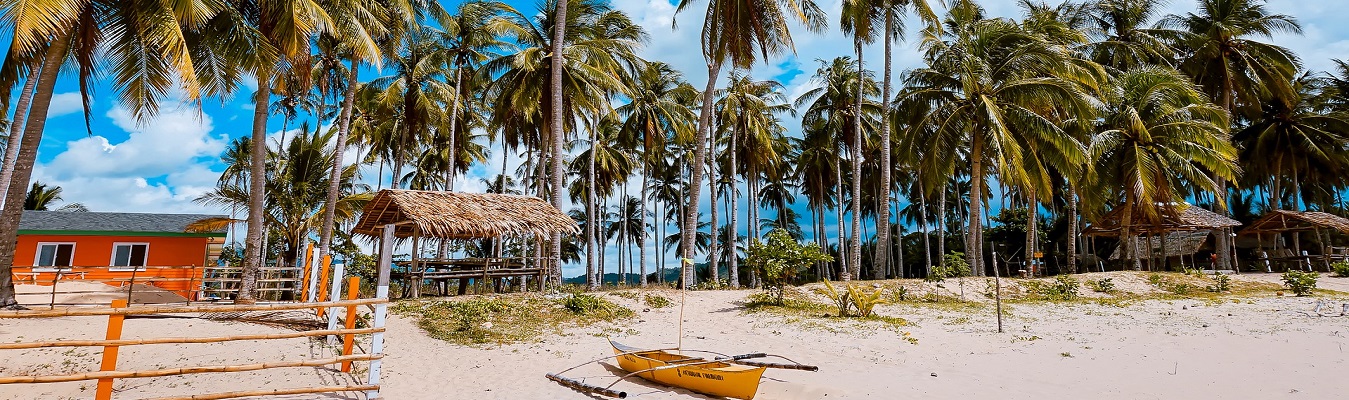
Lush paddy fields, soft sandy beaches and sparkling clear water – Philippines is a traveller’s dream. The adventurers flock here for the plethora of adventure sports while the culture seekers travel to experience the vibrant local life. The people are friendly, and the weather is perfect for most of the year. You will enjoy your Philippines tour regardless of the time you visit.
With over 7,000 islands to choose from, you can choose the type of holiday you want. From adrenaline-pumping adventures to food-coma-inducing feasts, there’s a bit of something for all types of travellers. Located in south-east Asia, Philippines is rich in culture and history. Blessed with a tropical climate and abundant natural beauty, it is the ultimate party destination for fun seekers.
Philippines tourism is a colourful tapestry studded with a myriad of experiences. You can spend a tranquil day communing with nature and head to the hippest parties in the evening. Discover hidden beaches and spend a day on secluded islands. Go surfing at Siargao Islands and go diving at Palawan. Climb the active Moyan Volcano and enjoy the spirited night life.
With so places to visit and exciting things to do, there will never be a dull moment in your Philippines tour.
Philippines Geography
The Philippines archipelago covers an area of about 300,000 square kilometres. It sits between Taiwan and Borneo, 800 km away from the Asian mainland. Only about a thousand of its 7,000 islands are inhabited. Luzon and Mindanao are the biggest islands while Palawan is probably the most well-known. At 36,290 km, Philippines’ combined coastline is the fifth longest in the world.
Most of the islands in the Philippines are made up of volcanic rock and it is home to many active volcanoes. There are four mountain ranges on Luzon: Cordillera Central, Sierra Madre, Caraballo Mountains and Zambales Mountains. Philippines also has one of the most unique underground waterways. The Puerto Princesa Subterranean River which flows underneath Palawan empties directly into the ocean.
Laguna de Bay on Luzon is the largest lake of Philippines. The rainforests of Luzon and Mindanao are home to around 500 species of birds and 8,500 species of flowering plants. Cagayan, Agno, Pampanga, Pasig, Bicol, Mindanao and Agusan are the most important rivers of Philippines.
Philippines Climate
Philippines enjoys a tropical climate that is distinctly divided into dry and wet seasons. But some areas receive rains all throughout the year. Between May and October, Philippines receives heavy rainfall from the south-west monsoon. Typhoons strike the coast of Philippines from south east between June and December.
The dry season starts from December and lasts until May. The months between December to February are cooler and it gets progressively hotter from March onwards. The average annual temperatures range between 22 to 34 °C. Temperature in cities like Cebu and Manila can rise up to 38 °C during the hot season. But the mountains and highlands remain much cooler.
Philippines Culture
Philippines lived under Spanish rule for over 300 years and its influence can be seen in architecture, food and traditions. Philippines is only one of the two Roman Catholic countries in Asia. But the traditional culture of the country is still a legacy of its Asian roots. Though English and Spanish are the official languages, there are around 13 indigenous languages spoken in Philippines!
Filipinos love singing and dancing. Festivals are often celebrated with dance and song. While ancient Filipino literature is mostly made up of folklore and legends, the Spanish era has made its own significant contributions to the arts and literature.