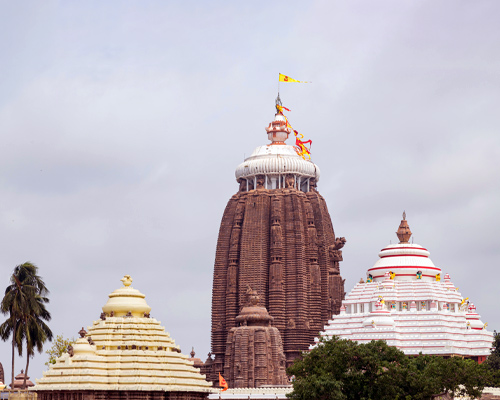
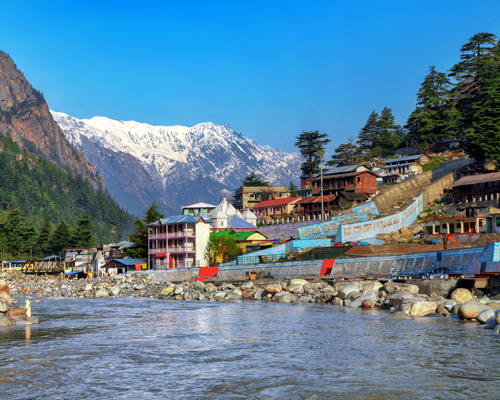
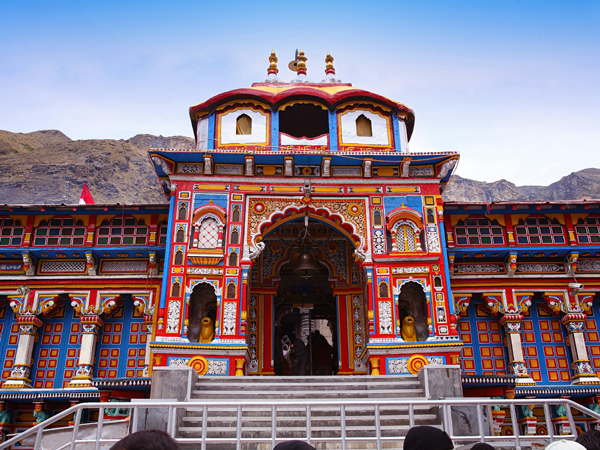
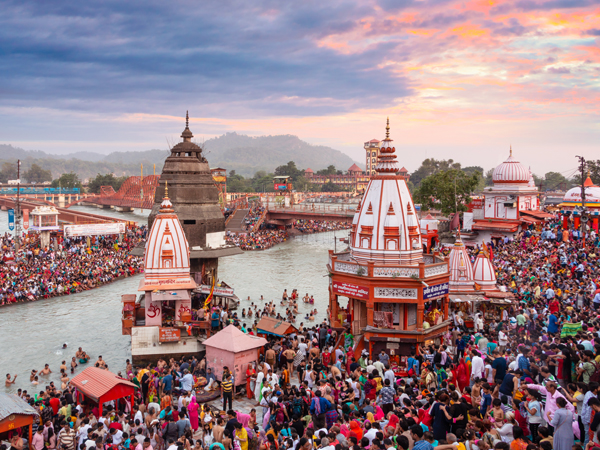
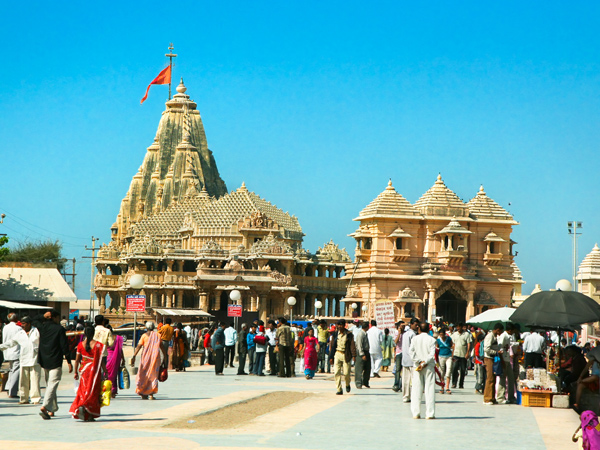
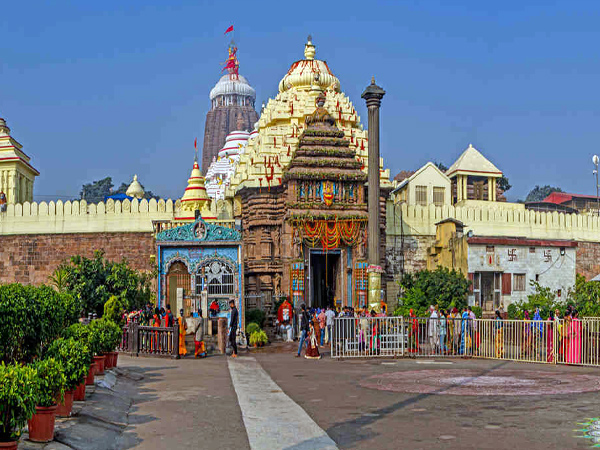
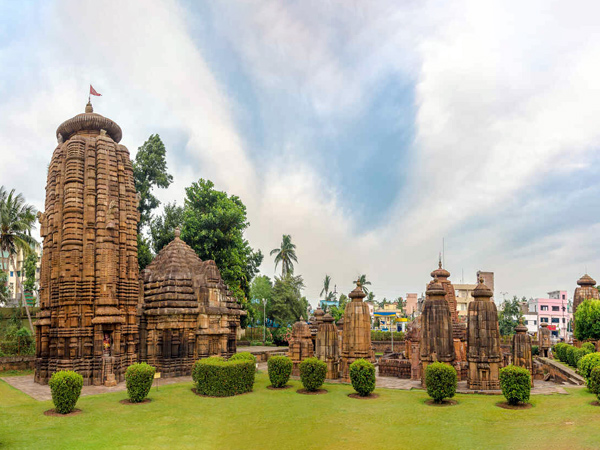
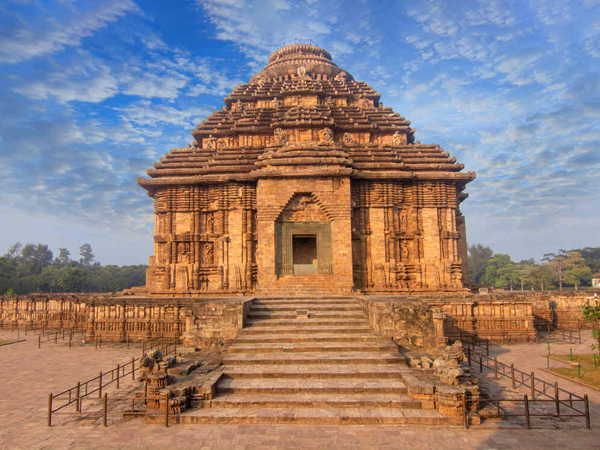
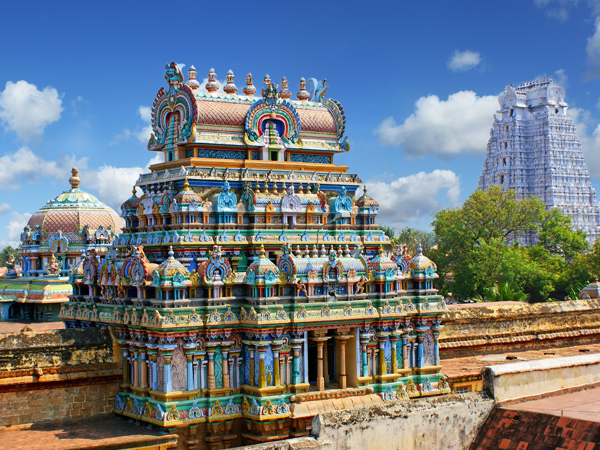
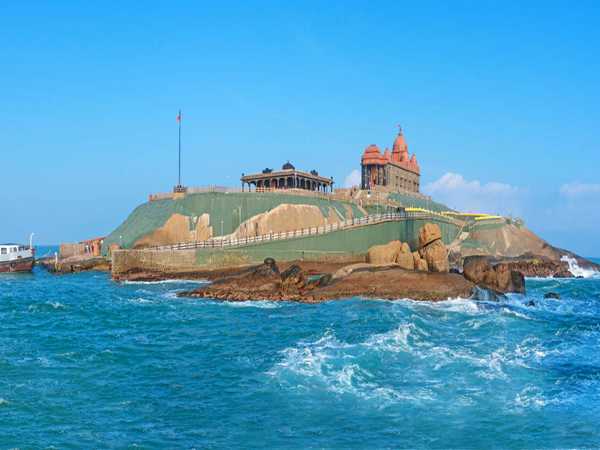
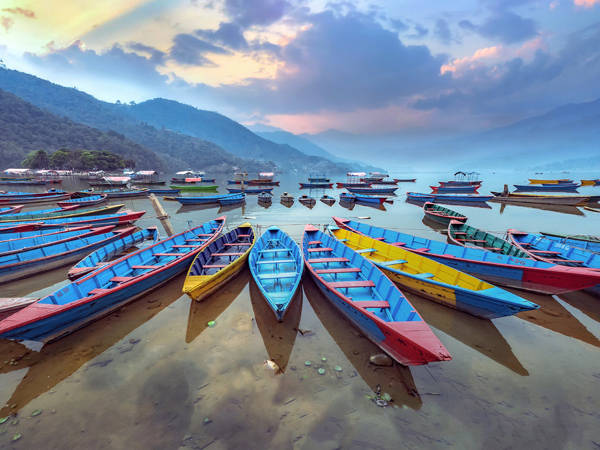
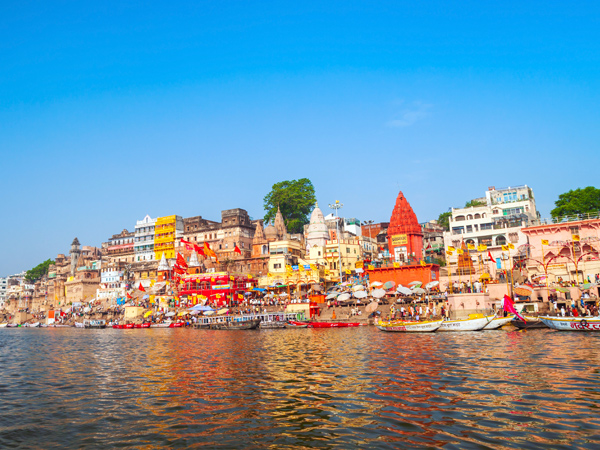
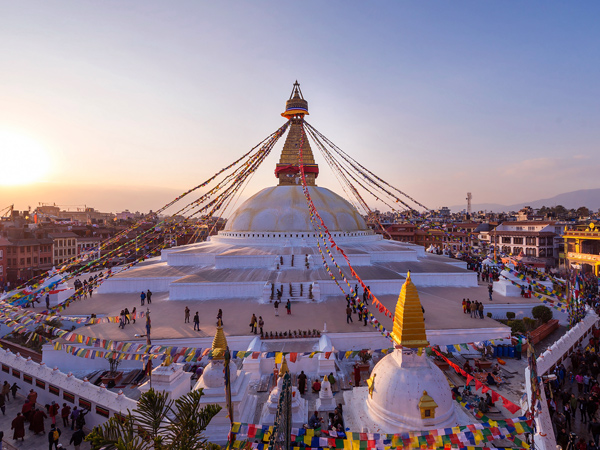
A darshan tour is a simple, heartfelt journey. You step into sacred spaces, fold your hands, hear the temple bells, and feel lighter from within.
India is blessed with living temples and age-old kshetra where faith is part of daily life. With SOTC, your temple darshan stays smooth from start to finish- travel, stays, and on-ground help for pooja, aarti, and abhishek where the temple allows. Tell us your time, budget, and comfort level, and we’ll suggest the right tirtha yatra for your family, with clear guidance and caring support.
About Darshan Tours in India
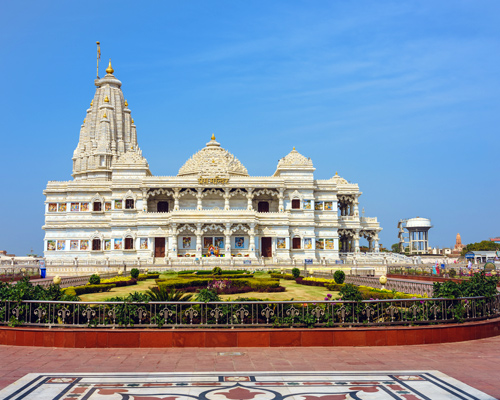
India is a land of sacred sites, living temples, and age-old rituals. A darshan tour is more than checking places off a list; it is your time to bow your head, hear the temple bells, feel the power of aarti flames, and return home with inner peace. With SOTC’s curated spiritual journeys, you can seek blessings at holy kshetra across the country and beyond, with precise planning, caring assistance, and dependable support at every step.
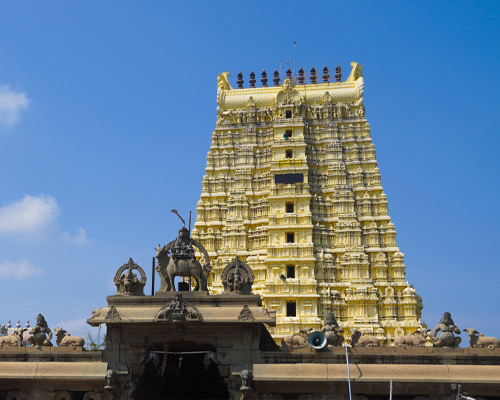
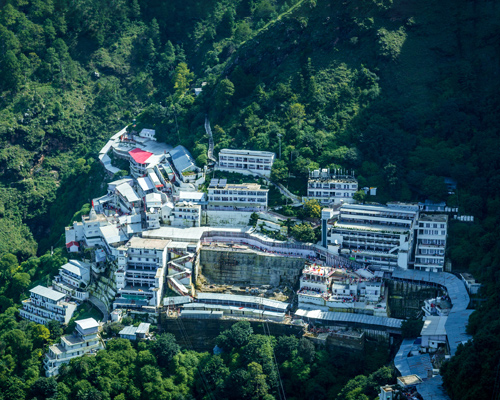
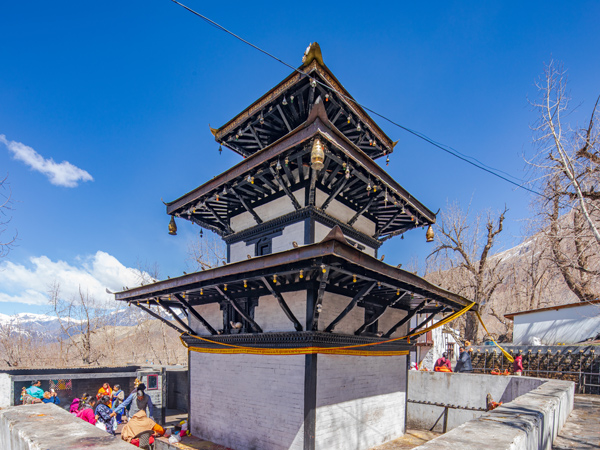
Our spiritual holidays cover famous temple darshan circuits like Char Dham, Vaishno Devi, Shirdi, Tirupati, Rameswaram, Puri and many more, as well as revered routes in Nepal like Muktinath and Pashupatinath. Explore the journeys that speak to your faith, your family, and your pace.
Why Choose SOTC for Your Darshan Tour?
Your pilgrimage should feel effortless and respectful. SOTC brings you thoughtfully designed routes, comfortable stays, and guided rituals, so you can focus on devotion while we handle the details. From temple entry coordination to assisted pooja and a caring team on the ground, we make sacred travel simple.
Trusted Pilgrimage Expertise
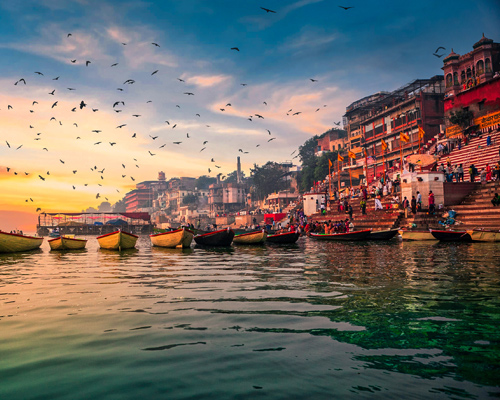
For decades, SOTC has designed faith tourism across India’s sacred geography, from the Himalayas to coastal shrines. Our Spiritual Journeys collection brings together the most loved routes, including Char Dham, Do Dham, Vaishno Devi, Shirdi, Tirupati and Varanasi, with options clearly listed and bookable online. You get transparent itineraries, pilgrim-friendly inclusions and on-ground support you can rely on.
Customisable Pilgrimage Packages
Every devotee has different needs. Choose fixed departures for convenience or ask for a tailor-made itinerary, ideal for senior citizens, families with kids, or small groups. SOTC offers variety across durations and budgets, from short temple getaways (like Varanasi 2N/3D) to deep circuits such as 10N/11D Char Dham, or helicopter-assisted routes for faster access.
Comfortable Travel & Assisted Ritual Services
We arrange stays near temples (including clean dharamshalas or comfortable hotels as per choice), local transfers, and help with temple rituals like aarti, abhishek, rudrabhishek or special pooja wherever permitted by the shrine. Many packages include meals and guided sightseeing, so your time is calm and purposeful.
Safe, Senior-Friendly and Family-Friendly Pilgrimage Planning
From wheelchair assistance on request to gentler daily pacing and early morning temple slots, our planners keep comfort in mind. For mountain yatras, we brief you on acclimatisation and weather. Where possible, we offer helicopter assistance (for Char Dham and select routes) and shorter walks, so seniors and children can join with ease.
Tips for Planning Your Darshan
A little preparation goes a long way. Use these simple ideas to keep your pilgrimage smooth and meaningful.
Best Time for Darshan Tours
Mountain yatras like Char Dham run in defined seasons, summer to early monsoon, and post-monsoon till the shrines close for winter. Plan Char Dham for April to June or September to October. Coastal and plains temples are open year-round; pick early mornings or evenings for calmer darshan. (Always check current temple timings and seasonal notices before you travel.)
Dress Code & Temple Ritual Etiquette
Wear modest, clean clothes; many temples suggest traditional attire. Keep mobile use to a minimum near the sanctum areas. Follow queue rules, respect separate lines for senior citizens or women where posted, and observe silence during aarti, abhishek or special pooja. Remove footwear where required and avoid carrying leather items in temples that restrict them.
Senior Citizen Pilgrimage Travel Tips
Pick shorter walking days and ground-floor rooms where possible. Keep warm layers handy in the hills and stay hydrated. For steeper climbs or long treks, consider palki, pony or helicopter options where allowed. Carry essential medicines and consult your doctor before high-altitude travel.
Darshan Timings, Rituals & Temple Seva Information
Temple schedules can change during festivals or special days. If you wish to attend a specific seva, like mahakaleshwar bhasma aarti in Ujjain, mangla aarti in Dwarkadhish, or rudrabhishek in Kedarnath, tell our team early so we can guide you with permitted options, booking windows and local rules. Some sevas have limited passes and identity checks, and many require traditional dress.
Customer Reviews & Spiritual Journey Experiences
Pilgrims tell us that what they value most is how calm the journey felt. From clean rooms near temples and timely transfers to a helpful guide who knew darshan shortcuts or local customs, small touches make a big difference. Families also appreciate child-friendly pacing and meal arrangements. Seniors often share how helicopter options or shorter walks made a long-awaited yatra possible. You bring the devotion; we bring the planning.
Frequently Asked Questions (FAQs)
1. Which is the best pilgrimage destination in India?
It depends on your calling. Many start with Vaishno Devi, Shirdi or Tirupati for accessible darshan. Others dream of Char Dham in Uttarakhand or the coastal power of Rameswaram and Puri. Our Spiritual Journeys page lists top choices like Shirdi, Rameswaram, Vaishno Devi, Char Dham, Tirupati and Varanasi to help you decide.
2. Are aarti, abhishek or special pooja included in packages?
Where the temple allows, and slots are available, we guide you on paid or free temple seva options, like abhishek, rudrabhishek, sugam darshan, mangla aarti or special pooja. Some sevas require on-site purchase or identity checks. Tell us your preferences, and we will share what is possible for your dates.
3. Are helicopter tickets included in Darshan packages?
For routes like Char Dham or Do Dham by helicopter, packages clearly mention heli sectors and inclusions. Availability is seasonal and limited, so early planning helps. For road-based packages, heli add-ons can be requested where permitted.
4. Do Darshan packages include VIP or special entry passes?
Select temples offer VIP or special entry on specific rules. If permitted, we help with information and booking guidance. At popular shrines like Tirupati, Vaishno Devi or Ujjain, there are defined processes and limited slots. We prioritise senior-friendly options and lawful entries that respect temple norms.
5. Are senior-friendly options available?
Yes. We can suggest shorter itineraries, early morning darshan to avoid crowds, ground-floor rooms, wheelchairs on request, and helicopter assistance where available. Many families choose 2-3 night getaways like Varanasi or Vaishno Devi for an easy first step.
6. How many days are required for a pilgrimage trip?
Short darshan breaks run 1–3 days (for example, Shirdi day trip or Vaishno Devi 2N/3D). Do Dham often needs 4–6 days; Char Dham by road is usually 10–11 days; helicopter options can be 5–6 days. South India temple trails can range from 3–7 days, depending on your pace.
7. Do you offer customisable Darshan itineraries?
Absolutely. You can personalise routes, add temples like Omkareshwar, Somnath, Trimbakeshwar, or include nearby sacred sites such as Prayagraj or Sarnath. Our specialists advise on driving times, darshan windows and local customs for a smooth plan.
8. Is food included during the temple tour?
Most packages include daily breakfast, and some include additional meals; details are listed in each itinerary. For fasts or special diets, inform us in advance so we can suggest suitable options near mandir areas.
9. Are group departures available for Char Dham & Amarnath?
Yes, group departures are scheduled during the official yatra seasons, with safety briefings, experienced tour managers and fixed travel dates. Seats are limited and subject to shrine notifications.