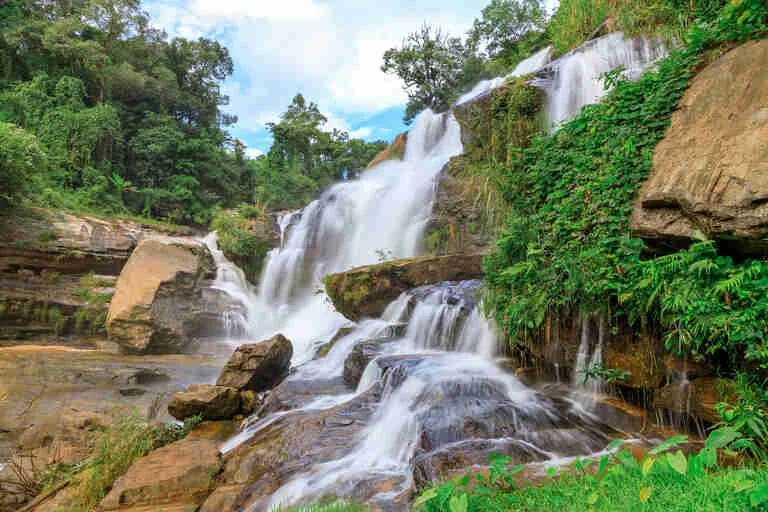
Nestled in the verdant hills of Karnataka, Chikmagalur is a nature lover’s paradise known for its aromatic coffee plantations, serene weather, and hidden treasures. Among these treasures are the majestic waterfalls in Chikmagalur that offer a rejuvenating retreat for the soul. Whether you’re seeking adventure, tranquility, or a chance to reconnect with nature, these cascades beckon you with their raw beauty and therapeutic charm.
In this comprehensive guide, we’ll take you on a journey through the top 10 waterfalls in Chikmagalur, revealing insider tips, practical information, and the best ways to experience each one. From the popular Hebbe Falls to the lesser-known gems, get ready to immerse yourself in the misty magic of Chikmagalur’s waterfalls. So, pack your bags, grab your camera, and let’s dive into this refreshing escapade together!
1. Hebbe Waterfalls
Arguably the most popular among all waterfalls in Chikmagalur, Hebbe Falls is located inside a coffee estate near Kemmanagundi. Plunging down from a height of 551 feet in two stages—Dodda Hebbe (Big Falls) and Chikka Hebbe (Small Falls)—it creates a misty atmosphere that’s both photogenic and soul-soothing.
The waterfall can be reached via a rugged jeep trail through the forest or by a moderate trek. The sheer force of the water crashing against the rocks creates a mesmerizing misty atmosphere that’s both photogenic and soul-soothing.
Insider Tip: If you’re visiting during the monsoon season (June to September), be prepared for leeches. Carry salt or wear anti-leech socks to keep these little creatures at bay. Also, it’s best to visit Hebbe Falls early in the morning to avoid crowds and enjoy the serenity of the surroundings.
2. Bhadra Waterfalls
Tucked within the Bhadra Wildlife Sanctuary, Bhadra Waterfalls is a hidden gem among the lesser-explored falls near Chikmagalur. Surrounded by thick jungle, the waterfall is formed by the Bhadra River, which also feeds the popular Bhadra Reservoir.
Accessible only via forest permissions or guided tours, this waterfall offers not just scenic views but also birdwatching opportunities, with hornbills, kingfishers, and even leopards spotted in the vicinity.
Insider Tip: Access to Bhadra Waterfalls is through forested terrain within Bhadra Wildlife Sanctuary, so it’s best to travel with a certified guide or forest department-approved jeep. Avoid visiting during peak monsoon as the trail may be closed due to safety regulations. If you’re into birdwatching, bring binoculars—early morning sightings of hornbills and flycatchers are common here. Always carry your ID proof, as it might be checked at forest entry points.
3. Kempuhole Waterfalls
Located near the Shiradi Ghat section, Kempuhole Waterfalls is one of the most pristine waterfalls near Chikmagalur, known for its clear waters and tranquil surroundings. Though smaller than Hebbe or Jhari, it makes up for its modest height with accessibility and peace.
It’s a favorite picnic spot for locals, especially during post-monsoon, when the streams swell and the surrounding forests turn emerald green. Ideal for a quick dip or a quiet moment with nature.
Insider Tip: A serene stop near Shiradi Ghat, Kempuhole is one of the lesser-known waterfalls near Chikmagalur. The roads can be winding and slick during rains, so a bike with good suspension or a 4WD is ideal. There are no shops nearby, so carry snacks, water, and a basic first-aid kit. Visit on weekdays for the most peaceful experience—locals often picnic here on weekends.
4. Kallathigiri Falls (Also called Kalhatti Falls)
Kalhatti Falls, also known as Kallathigiri Falls, is one of the most spiritually significant waterfalls in Chikmagalur. The waterfall flows over the historic Veerabhadra Temple, blending nature and divinity in one unforgettable sight.
Located just 10 km from Kemmanagundi, it’s an easy drive followed by a short walk, making it ideal for families. Local legend says that the water here has healing properties, making it a sacred stop during monsoon pilgrimages. It’s also a fantastic photography location, especially in the golden light of early morning.
Insider Tip: The best time to visit Kallathigiri Falls is during the monsoon season when the water flow is at its peak, and the ancient stone structures come alive with the gushing streams. However, be cautious while exploring the area during this time as the stones can be slippery. It’s also a good idea to hire a local guide who can provide insights into the historical significance of the place and help you navigate the complex network of channels and pools.
5. Jhari Waterfalls
Also called the buttermilk falls in Chikmagalur, Jhari Waterfalls is among the most frequently visited and Instagrammed locations in the region. Surrounded by coffee plantations and pepper vines, the fall crashes down in a thin, milky stream—hence its nickname.
Jhari Falls is an ideal spot for couples, families, and solo travelers seeking a tranquil retreat amidst nature. Pack a picnic basket, find a cozy spot near the falls, and let the gentle breeze and the calming sound of the cascade work their magic on your senses.
Insider Tip: The best time to visit Jhari Falls is right after the monsoon season (October to November) when the water flow is at its peak, and the surrounding vegetation is lush and vibrant. Make sure to carry a waterproof camera to capture the beauty of the milky cascade without worrying about the mist.
6. Shanti Falls
Located within the Kemmanagundi hill station area, Shanti Falls is a smaller, serene cascade known for its peaceful ambiance—true to its name which means “peace.” While not as grand in scale, it is surrounded by thick vegetation and offers a cooling splash after a long hike. It’s often a stopover on the way to Z Point, a famous trekking point nearby, and makes for a great photo break or a natural foot spa.
Insider Tip: Since there are no railings, be careful near the slippery edges. Carry a refillable water bottle—the water here is locally considered clean enough to drink. It’s best visited just after sunrise when the trail is cool and quiet. Combine this with the Z Point sunrise trek for a perfect half-day nature outing.
7. Ayyanakere Waterfalls
Near the massive Ayyanakere Lake lies this seasonal waterfall that appears after good monsoon rainfall. Though not always active, when flowing, the Ayyanakere Waterfalls provide a scenic backdrop to the lake and surrounding hills.
Being relatively unexplored, it’s a peaceful location and is sometimes included in extended Chikmagalur tour packages that combine lakes, temples, and nature spots.
Visit during August–October for the best chance of catching the fall in full flow.
Insider Tip: Since this is a seasonal waterfall, check with local homestay hosts or jeep drivers before heading out—the falls only flow well between August and October. Ayyanakere Lake nearby is more well-known, so plan a combined visit to enjoy both the lake and waterfall. The area has few signboards, so use offline maps or ask locals for directions, especially near Hirekolale.
8. Manikyadhara Waterfalls
A sacred spot located in Baba Budangiri, Manikyadhara Waterfalls is not just scenic but spiritually significant to both Hindus and Muslims. The water flows down a cliff near a shrine, forming a curtain of droplets that’s cool year-round—even during summer.
The area surrounding Manikyadhara Falls is dotted with small shops selling local delicacies, herbal teas, and handicrafts, adding to the overall cultural experience. Take a moment to interact with the friendly locals and learn more about the legends and traditions associated with this sacred spot.
Insider Tip: When planning your visit to Manikyadhara Falls, keep in mind that bathing in the waterfall is considered a sacred ritual. Carry a change of clothes and dress modestly to respect the local customs. Also, try the piping hot corn on the cob sold by the local vendors – it’s a delicious snack that perfectly complements the serene ambiance of the falls.
9. Sakkare Falls
Not to be confused with the Sakkarebayalu Elephant Camp, Sakkare Falls is a small seasonal waterfall near the forested edges of Chikmagalur. It’s a lesser-known location, ideal for picnics and offbeat photography.
While it may not make every top 10 list due to size, it’s still worth visiting during peak monsoon when local streams are full. Its calm pool is good for kids to splash around in under adult supervision.
Insider Tip: Sakkare Falls is mostly visited by locals and doesn’t appear on most commercial tour maps. You’ll find no tourist infrastructure here, so this is best for those looking for raw, untouched nature. Visit during mid-monsoon for the best flow. Avoid weekends if you’re looking for solitude, and wear shoes with grip, as the rocks here can be deceptively slick even in low flow.
10.Mullyanagiri Waterfalls
While Mullyanagiri is best known as the highest peak in Karnataka, few know about the seasonal Mullyanagiri Waterfalls that form along the trails during heavy rains. These small but beautiful falls are best seen while trekking the peak.
They’re not standalone waterfalls, but rather spontaneous cascades that add magic to the misty ascent. Ideal for monsoon trekkers looking to discover secret falls near Chikmagalur.
Keep your camera ready—these falls often appear where you least expect them.
Insider Tip: These are not marked waterfalls but rather seasonal streams that form on the trek to Mullyanagiri peak. To spot them, time your trek just after a strong rain spell, ideally in July or early August. Since they’re unpredictable, always carry a waterproof bag for electronics. Local guides sometimes point them out as “secret streams”—ask around at Sarpadhari, the trek’s base point, for the best chance of spotting them.
Best Time to Visit Waterfalls in Chikmagalur
The best time to explore waterfalls in Chikmagalur is during the monsoon and post-monsoon seasons (June to November). This is when the rivers are full, the vegetation lush, and the air refreshingly cool.
- June–August: Perfect for misty vibes and powerful flows
- September–October: Ideal for trekking with manageable water levels
- November: Quieter season with gentle streams and fewer crowds
Avoid visiting during peak summer (March–May), as most waterfalls reduce to trickles.
Essential Tips for Visiting Waterfalls in Chikmagalur
- Wear waterproof trekking shoes: Trails can get muddy and slippery.
- Start early: Many falls are remote and best visited during daylight.
- Hire a local jeep for Hebbe or Jhari Falls—personal vehicles aren’t allowed on plantation tracks.
- Carry cash: Entry tickets, jeep rides, and food stalls often don’t accept digital payments.
- Pack light and responsibly: Avoid plastic waste and follow local eco-rules.
These tips ensure your trip to the waterfalls in Chikmagalur is not just scenic, but also safe and sustainable.
Packing List for a Waterfall Trip in Chikmagalur
- Light raincoat or poncho
- Extra set of clothes and towel
- First-aid kit and insect repellent
- Water bottle and trail snacks
- Waterproof bag for electronics
- ID proof (required at some checkpoints)
- Flashlight or headlamp (if trekking late)
Stay prepared to enjoy the waterfalls near Chikmagalur without unexpected hassles.
Make the most of Karnataka’s green escapes. Book your journey with SOTC & explore our customisable Karnataka tour packages.
Top FAQs about Waterfalls in Chikmagalur
Which waterfall is closest to Chikmagalur town?
Jhari Waterfalls is among the closest, located around 20 km from the town center. It’s easily accessible by jeep and perfect for a half-day trip.
Are these waterfalls accessible by vehicle or trekking?
Many waterfalls in Chikmagalur like Kalhatti and Manikyadhara are vehicle-accessible. Others like Hebbe or Jhari require guided jeep rides or moderate treks through estates.
How safe is it to visit waterfalls during the monsoon season?
It’s generally safe, but always follow local advice. Trails can be slippery, and some waterfalls like Bhadra may be off-limits due to forest regulations.
Are there any entry fees or permits required?
Yes, most plantation waterfalls like Hebbe and Jhari have nominal jeep or entry fees. Forest-protected falls like Bhadra require prior permission.
Can families with children visit these waterfalls safely?
Yes. Kalhatti, Manikyadhara, and Jhari Falls are family-friendly. Always supervise children and avoid trekking trails during heavy rains.