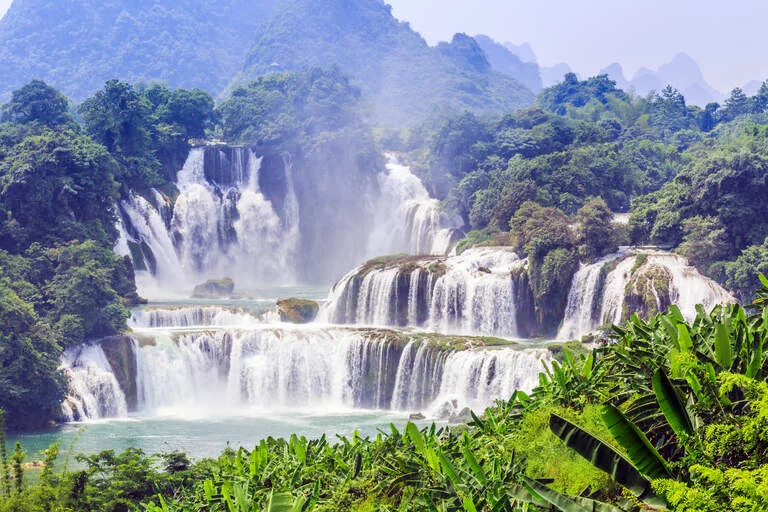
As the monsoon sweeps across India, the country’s diverse landscapes come alive with the thundering roar of waterfalls. From the lush Western Ghats to the misty hills of the Northeast, India is home to some of the tallest and most magnificent waterfalls in the world.
If you’re looking for a thrilling monsoon getaway, exploring the highest waterfalls in India should be at the top of your bucket list. These cascading wonders offer breathtaking views, refreshing mist, and an immersive experience in nature’s raw beauty.
In this article, we’ll take you on a virtual tour of the top 10 highest waterfalls in India, complete with practical tips to help you plan an unforgettable trip. Whether you’re a nature lover, adventure seeker, or simply in need of a scenic escape, these waterfalls promise an extraordinary journey. Let’s dive in!
1. Kunchikal Falls, Karnataka
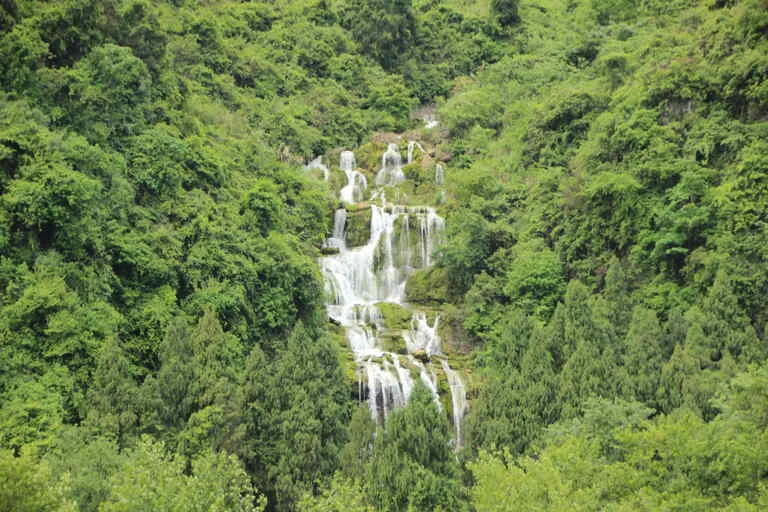
Standing tall at a staggering 1,493 feet (455 meters), Kunchikal Falls in the Shimoga district is officially the tallest waterfall in India. Formed by the Varahi River, this multi-tiered fall is set amidst the Western Ghats and plunges through rocky cliffs surrounded by thick forest cover.
What makes Kunchikal unique is its inaccessibility—it lies within a restricted hydroelectric zone. Visitors need special permits from the Karnataka government, adding an element of adventure. Despite its protected status, it’s often counted among the most important waterfalls in India due to its ecological and hydrological significance.
If you’re planning a trip to Kunchikal Falls, it’s essential to be prepared for the monsoon conditions. Carry rain gear, insect repellent, and a basic first-aid kit. It’s also advisable to hire a local guide who can navigate the trails and ensure your safety.
For those seeking a more immersive experience, there are a few homestays and eco-lodges near Agumbe that offer a chance to unwind amidst nature. These accommodations often provide guided treks, birdwatching sessions, and even cooking classes featuring local delicacies.
2. Nohkalikai Falls, Meghalaya
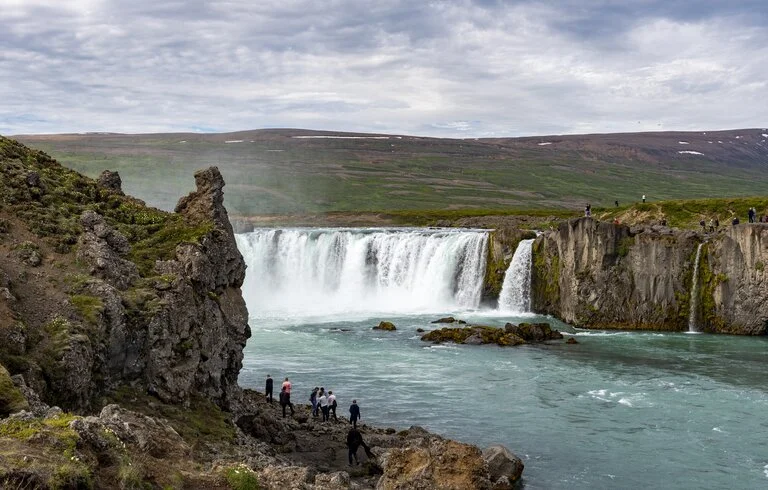
Meghalaya is known for its clouds and cascades, and Nohkalikai Falls is its crown jewel. Plunging from 1,115 feet (340 meters), it is the highest plunge waterfall in India. Located near Cherrapunji, one of the wettest places on Earth, this waterfall is famed for its emerald pool and haunting backstory.
Nohkalikai is frequently featured in lists of the top waterfalls in India for both its height and tragic folklore—named after a woman named Likai who jumped off the cliff. The observation deck offers panoramic views, making this one of the most beautiful waterfalls in India for photography lovers.
Apart from the falls, the area around Nohkalikai offers several other attractions. You can explore the nearby Mawsmai Cave, a limestone cave system with stunning formations. The Eco Park, located close to the falls, offers a picturesque view of the Cherrapunji landscape and is a great spot for picnics.
For those seeking adventure, trekking to the base of the falls is an option. However, it’s a challenging trek and should only be attempted with a local guide and proper safety measures. The trek takes you through dense forests and steep inclines, rewarding you with a closer view of the falls.
3. Dudhsagar Falls, Goa
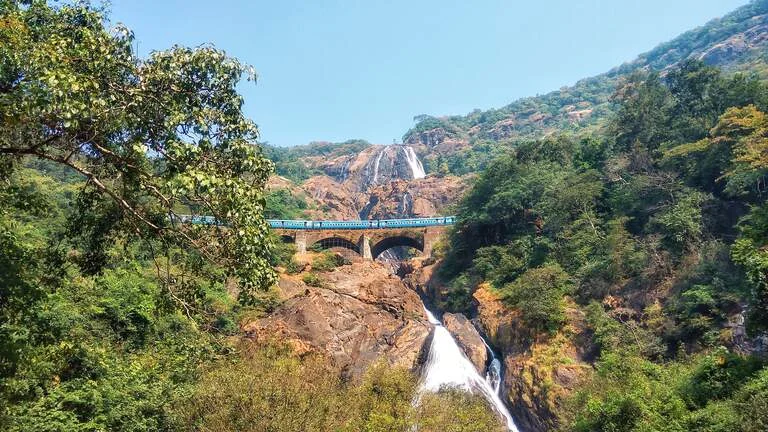
Located on the Goa–Karnataka border, the four-tiered Dudhsagar Falls plunges from a height of 1,017 feet (310 meters). Translating to “Sea of Milk,” the fall looks like a milky cascade, especially during monsoon.
It’s one of the famous waterfalls in India due to its appearance in Bollywood films like “Chennai Express” and its proximity to Goa. Accessible via forest jeep rides or treks, Dudhsagar is often included in India tour packages targeting nature and adventure tourism.
Accommodation options near Dudhsagar Falls range from basic homestays to luxury eco-resorts. Many of these accommodations offer guided tours to the falls and other nearby attractions, making it convenient for travelers.
When visiting Dudhsagar Falls, remember to respect the environment and follow the guidelines set by the forest department. By treading lightly and appreciating the beauty of the falls, you can contribute to the preservation of this natural wonder for generations to come.
4. Barkana Falls, Karnataka
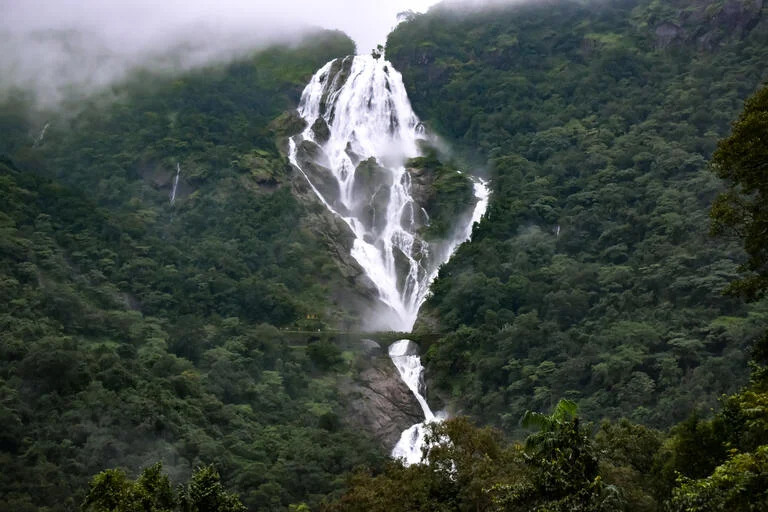
Deep within the Agumbe rainforest lies Barkana Falls, dropping from 850 feet (259 meters). Fed by the Seeta River, it is one of the highest waterfalls in India and a vital part of the Western Ghats’ ecosystem.
Reaching Barkana involves a moderate trek through dense jungle, where you might spot rare flora and fauna. As one of the lesser-explored major waterfalls in India, it’s a dream for trekkers, naturalists, and those seeking solitude in the wilderness.
Apart from the waterfall itself, the Agumbe region is also known for its rich cultural heritage. The area is home to several indigenous tribes, each with their own unique traditions and customs. Visitors can learn more about these tribes and their way of life by visiting the nearby villages and interacting with the locals.
Barkana Falls is a true hidden gem that offers a unique blend of adventure, nature, and culture. It’s a destination that rewards those who are willing to go off the beaten path and explore the road less traveled.
5. Bhimlat Falls, Rajasthan
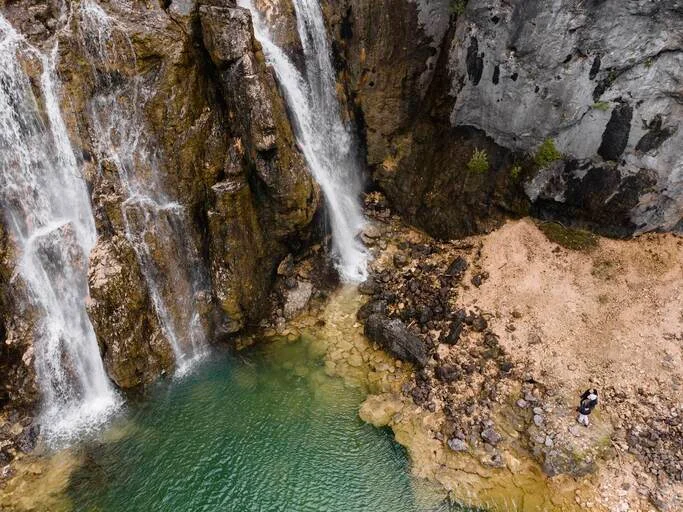
A surprise entry in the otherwise arid landscape of Rajasthan, Bhimlat Falls in Bundi stands at 200 feet (60 meters). Legend says the fall was created by Bhim (of Mahabharata fame) by striking the earth with his mace.
Though not the tallest by numbers, its uniqueness and accessibility in the desert make it one of the most important waterfalls in India from a cultural perspective. The lush green oasis and nearby temples add to its appeal, especially for family travelers exploring Rajasthan via India tour packages.
6. Kynrem Falls, Meghalaya
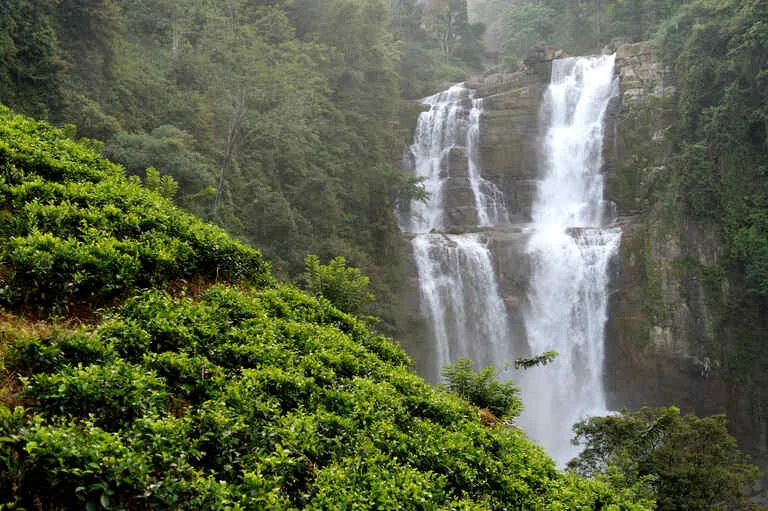
Located within the Thangkharang Park near Cherrapunji, Kynrem Falls is a three-tiered marvel that drops from 1,001 feet (305 meters). Surrounded by mist-laden hills and dense forest, it’s among the top 10 waterfalls in India by height.
Kynrem is an ideal monsoon destination and a regular feature in itineraries of tourists visiting Meghalaya’s beautiful waterfalls in India. The surrounding park area adds a scenic picnic vibe, making it family-friendly too.
To reach Kynrem Falls, you can take a taxi or drive from Cherrapunji town to Thangkharang Park. From the park entrance, it’s a short hike to the viewpoint where you can admire the falls and the surrounding valley.
Apart from the falls, Thangkharang Park offers several other attractions, including a traditional Khasi heritage village, a botanical garden, and a orchid nursery. Visitors can also enjoy picnics on the park’s sprawling lawns or take a leisurely stroll.
7. Langshiang Falls, Meghalaya
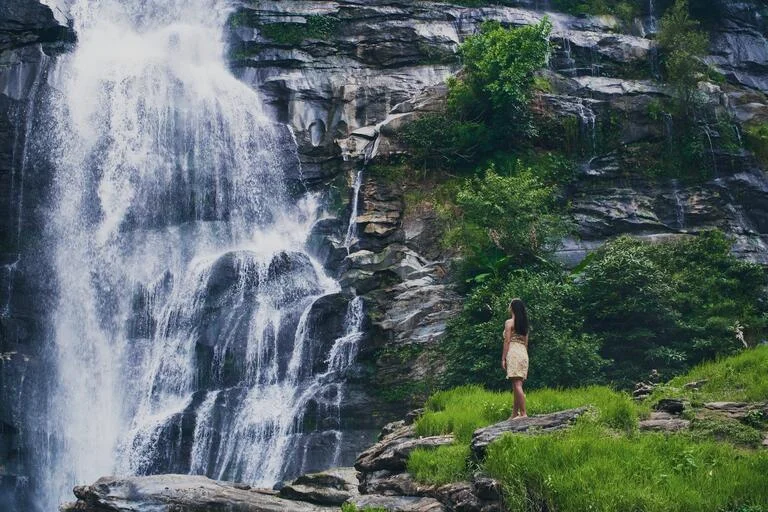
Hidden deep in the West Khasi Hills, Langshiang Falls descends from approximately 1,106 feet (337 meters) and is considered one of the highest waterfalls in India, though exact measurements vary.
Unlike Nohkalikai or Kynrem, Langshiang is less commercial and more adventurous. You’ll need to trek and navigate village paths, which adds to its offbeat charm. For those looking to explore important waterfalls in India off the beaten path, Langshiang is a hidden treasure.
8. Meenmutty Falls, Kerala
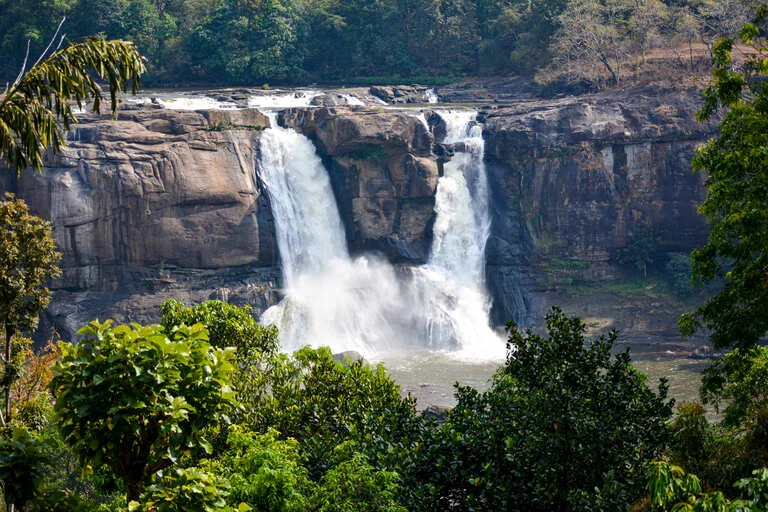
With a height of 980 feet (300 meters), Meenmutty Falls is the tallest waterfall in Kerala and a strong contender among the best waterfalls in India. Located in the Wayanad district, the fall requires a trek through tea estates and forest trails.
The word “Meenmutty” translates to “where fish are blocked,” referencing the massive drop that prevents aquatic migration. Its multi-tiered structure and jungle backdrop make it one of the most beautiful waterfalls in India, especially post-monsoon.
9. Shivanasamudra Falls, Karnataka
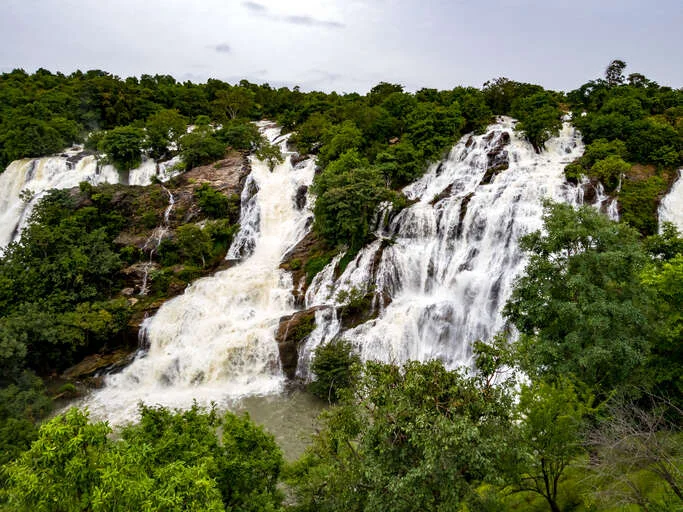
Formed by the Kaveri River, Shivanasamudra Falls consists of twin cascades—Gaganachukki and Bharachukki—that fall from a height of 320 feet (98 meters). Though not the tallest, their volume and power during monsoon are breathtaking.
Historically significant as the site of Asia’s first hydroelectric power plant, this is one of the major waterfalls in India blending beauty and heritage. Easily accessible from Bangalore, it’s perfect for weekend getaways.
Best Time to Visit India’s Highest Waterfalls
The ideal time to visit the highest waterfalls in India is during or just after the monsoon season, typically between July and October. During this time, the water flow is at its peak, and surrounding landscapes are lush and vibrant.
- Meghalaya falls like Nohkalikai and Nohsngithiang are best between July–September.
- Southern falls like Kunchikal and Barkana peak around August.
- Kerala’s Meenmutty and Goa’s Dudhsagar are most dramatic from late July to early October.
For those booking India tour packages, check for monsoon-special or waterfall-focused itineraries.
Essential Tips for Visiting High-Altitude Waterfalls in India
Visiting the highest waterfalls in India can be thrilling—but also challenging. From steep treks and dense forests to unpredictable weather, a little preparation goes a long way in ensuring a safe and enjoyable experience.
- Start early: Waterfalls like Meenmutty and Barkana require trekking through forest areas, so it’s best to start your hike in the morning and return by afternoon.
- Wear proper footwear: Slippery trails are common, especially during monsoon. Invest in a pair of trekking shoes with strong grip and ankle support.
- Carry a waterproof jacket or poncho: Even outside of rain, the mist from powerful falls like Kunchikal or Nohkalikai can soak you.
- Hire local guides: For remote spots like Langshiang or Barkana, guides not only ensure safety but enrich your visit with local folklore.
- Avoid swimming near strong currents: Waterfalls like Shivanasamudra and Dudhsagar are incredibly powerful. Follow safety signs and do not attempt to swim unless permitted.
- Respect the environment: Do not litter or damage flora and fauna. Many of these falls are located in eco-sensitive zones.
Keep emergency contacts and a first-aid kit handy: Especially for treks through areas with limited cell service.
Packing List for a Trip to India’s Highest Waterfalls
When visiting the top waterfalls in India, your comfort and safety depend on what you pack. Here’s a checklist of essentials:
Clothing & Gear:
- Breathable, quick-dry clothes
- Waterproof hiking boots or trekking sandals
- Raincoat or poncho
- Hat and sunglasses
- Extra pair of clothes and socks
Electronics & Accessories:
- Waterproof pouch for phone
- Power bank
- Headlamp or flashlight (for long treks)
- Offline map or navigation app
Health & Safety:
- First-aid kit (bandages, antiseptic, painkillers)
- Insect repellent
- Water bottle (preferably with a filter)
- Energy snacks (granola bars, ORS, dry fruits)
Documents & Miscellaneous:
- ID proof (some falls may require permits)
- Trash bag to carry out waste
- A small backpack with rain cover
- Travel insurance (recommended for remote trips)
This packing list ensures you’re ready for the terrain, weather, and duration of your visit—whether you’re exploring famous waterfalls in India or discovering hidden gems.
Ready to chase India’s tallest cascades? Explore them all with expertly crafted tour packages.
Top FAQs about India’s Highest Waterfalls
Which is the tallest waterfall in India?
Kunchikal Falls in Karnataka is the tallest waterfall in India, with a height of 1,493 feet (455 meters). It’s a multi-tiered cascade located within a hydroelectric reserve, requiring permits for entry.
Are these waterfalls easily accessible for tourists?
Some waterfalls like Dudhsagar, Shivanasamudra, and Nohkalikai are relatively easy to access by road or a short walk. Others, like Langshiang or Barkana, involve treks through dense forests and may require guides.
What is the best season to visit these waterfalls?
The monsoon and post-monsoon season (July–October) is the best time. This is when the highest waterfalls in India are in full flow, surrounded by vibrant greenery.
Are there any safety concerns when visiting these waterfalls?
Yes. Slippery trails, fast currents, and remote locations can pose risks. Always follow marked paths, avoid swimming near the falls, and consider hiring local guides for lesser-known spots.
Do these waterfalls have entry fees or permits?
Some, like Kunchikal Falls, require special permits. Tourist-heavy spots like Dudhsagar or Meenmutty may charge nominal entry fees. Always check the latest regulations before planning your visit.