
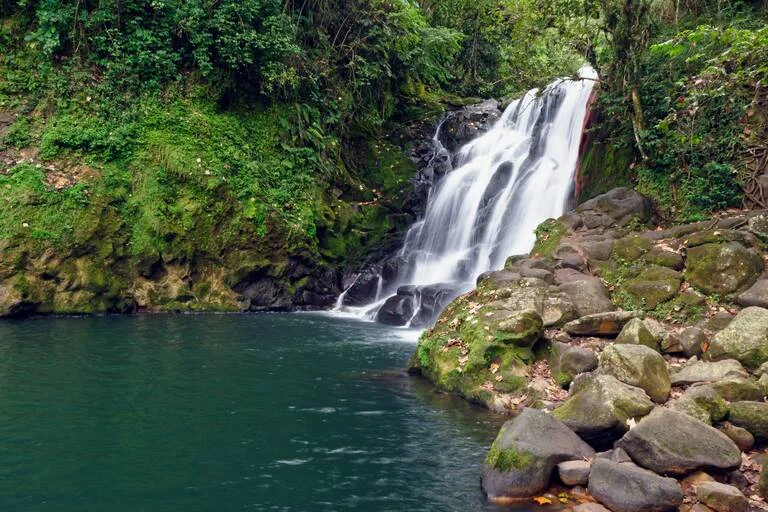
Rishikesh, the spiritual heart of Uttarakhand, is known for its yoga ashrams, Ganga ghats, and white-water rafting. But beyond the meditation halls and riverbanks lies a different kind of tranquility—waterfalls in Rishikesh. These serene and often hidden cascades offer a perfect blend of adventure, photography, and connection with nature.
Whether you’re planning a short hike, a peaceful dip, or a scenic photography trip, this list of the best waterfalls in Rishikesh is your ultimate guide to nature’s refreshing escapes.
1. Neer Garh Waterfall
The Neergarh waterfall in Rishikesh, also known as Neer Gaddu, is perhaps the most popular and accessible waterfall in the area. Located just 6 km from the Laxman Jhula, it involves a short yet rewarding uphill trek with panoramic views of the valley.
The waterfall cascades into multiple natural pools, perfect for a dip or simply soaking your feet in crystal-clear mountain water. Surrounded by lush greenery and chirping birds, this spot is ideal for couples, families, and solo travelers alike. Small cafés along the way serve Maggi, chai, and lemon soda, adding a cozy local vibe.
After a day of exploring the waterfall, you can indulge in some delicious local cuisine at the nearby cafes and restaurants. Don’t forget to try the famous Maggi noodles, a staple among hikers and travelers in the region.
Insider Tip: To avoid crowds, plan your visit to Neergarh waterfall early in the morning or on weekdays. Carry a sturdy pair of shoes with a good grip, as the rocks near the waterfall can be slippery.
2. Kunjapuri Waterfall
Often included in Rishikesh tour packages, Kunjapuri is better known for its temple and sunrise view, but nearby lies a small, seasonal waterfall near Rishikesh that delights during monsoon. The trek from the temple to the waterfall passes through pine forests and local villages, making it a wholesome cultural and nature walk.
Since it’s lesser-known, Kunjapuri’s waterfall is sometimes referred to as a hidden waterfall in Rishikesh, making it perfect for travelers who enjoy offbeat paths and peaceful surroundings. After taking a dip in the cool waters of the waterfall, you can relax on the nearby rocks and enjoy a picnic lunch with your loved ones. The serene surroundings and the sound of the cascading water create a peaceful ambiance that is perfect for unwinding and rejuvenating your mind and body.
Insider Tip: If you’re planning to visit Kunjapuri waterfall, make sure to check the weather forecast beforehand, as the trail can be dangerous during heavy rainfall. Also, carry plenty of water and snacks, as there are no food stalls or restaurants near the waterfall.
3. Patna Waterfall
Situated on the Neelkanth Mahadev road, Patna Waterfall is a strikingly tall fall that requires a scenic 1.5 km forest hike from the main road. Along the way, you’ll pass through limestone caves and hear the rushing sound of water growing louder. Though seasonal in nature, the volume and beauty during the monsoon are spectacular. With fewer crowds than Neergarh, this is often considered a hidden waterfall in Rishikesh, ideal for meditation, photography, and reading in nature.
The best time to visit Patna waterfall is during the post-monsoon season, from October to December, when the water flow is at its peak, and the weather is pleasant. However, if you’re an avid trekker, you can visit the waterfall even during the summer months, as the trail provides ample shade and respite from the heat.
Insider Tip: Pack a picnic basket with some snacks and refreshments, as there are no food stalls or restaurants near the waterfall. Also, carry a waterproof bag to keep your belongings safe while swimming in the pool.
4. Garud Chatti Waterfall
Another gem located on the Neelkanth road, Garud Chatti Waterfall is famous for its serene setting and mythological significance. The trek to this fall is relatively short and passes through a narrow forest path lined with wildflowers and birds. The best time to visit Garud Chatti waterfall is during the monsoon season, from July to September, when the waterfall is at its most spectacular. However, the trail can be slippery and challenging during this time, so it’s essential to wear proper footwear and exercise caution.
After visiting the waterfall, you can continue your spiritual journey by exploring the Neelkanth Mahadev Temple, one of the most revered Shiva temples in the region. The temple is known for its unique architecture and serene atmosphere, making it a must-visit for anyone interested in Hindu culture and spirituality.
Insider Tip: If you’re planning to take a dip in the sacred pool, remember to dress modestly and respect the local customs and beliefs. Also, carry a change of clothes, as the water can be quite cold, even during the summer months.
5. Rajaji Waterfall
Tucked within the boundaries of Rajaji National Park, this waterfall near Rishikesh offers the rare combination of wildlife, nature, and solitude. Since it lies within a protected zone, access may require permission or a guide. The trail is scenic, and if you’re lucky, you might even spot peacocks or elephants at a distance. It’s perfect for nature lovers looking to combine a forest walk with a cool mountain waterfall experience.
This is one of the most eco-rich waterfalls in Rishikesh, great for day-long nature trails.
Insider Tip: To access Rajaji Waterfall, it’s best to visit with a certified forest guide or through eco-tour operators, as solo entry may be restricted. The best time to visit is early morning, when wildlife sightings—like peacocks and langurs—are more likely. Always carry your ID and follow forest department rules. Avoid playing loud music, as the zone is ecologically sensitive and home to elephants.
6. Brahmavart Waterfall
A sacred yet lesser-known cascade, Brahmavart Waterfall is situated near the Rishi Kund area. With religious importance tied to ancient sages, this small but steady waterfall attracts pilgrims and spiritual seekers.
It’s especially scenic during the post-monsoon season, and the surrounding area has meditation caves and age-old banyan trees. Though not very tall, it’s still one of the hidden waterfalls in Rishikesh that offers a unique spiritual atmosphere.
Insider Tip: Visit just after monsoon when the fall flows steadily and the surrounding meditation caves are lush and tranquil. Carry a light shawl or mat if you plan to sit for prayer or meditation. Since this is a sacred area, avoid swimming and dress modestly out of respect for local traditions. Ask local priests near Rishi Kund about the hidden trails—they sometimes lead to quiet cave spots.
7. Shivpuri Waterfall
Located close to the popular rafting site, the Shivpuri Waterfall is a delightful surprise for those exploring the trails near the Ganga banks. It requires a short trek from the rafting camps and is often included in overnight camp itineraries. It’s perfect for a splash after a long hike or river rafting session and is increasingly becoming known among younger travelers looking for waterfalls near Rishikesh that combine fun and ease.
Insider Tip: The waterfall is usually accessible through rafting camps—so check with your camp operator about guided hikes. Go early morning to enjoy it without the crowd, especially in peak season. Wear slip-resistant sandals, as the trail passes through rocky forest terrain. Combine your visit with riverside lunch at one of the cliff cafés nearby for a complete experience.
8. Pali Waterfall
Pali Waterfall is one of the least explored waterfalls in Rishikesh, found on the outskirts along forested roads. This multi-tiered fall flows into a tranquil pond and offers a raw, untouched experience.
Getting there often requires a guide or detailed GPS navigation. There’s little commercial development here, which makes it ideal for solitude, nature journaling, and photography. If you’re seeking an unspoiled hidden waterfall in Rishikesh, this is a must-visit.
Insider Tip: This is a remote waterfall, so hire a local guide from Rishikesh town or ask jeep drivers familiar with forest paths. Mobile network is unreliable here, so download offline maps in advance. Since it’s a zero-commercial zone, bring water, snacks, and a trash bag to carry back your waste. It’s perfect for journaling or silent reflection—don’t expect crowds.
9. Virbhadra Waterfall
Located near the Virbhadra Temple, this cascade is sacred to locals and considered a good-luck spot for newlyweds and spiritual pilgrims. It’s among the more accessible waterfalls in Rishikesh, requiring only a short walk from the main road. Though not as tall as others, it’s scenic and surrounded by flora, making it a good picnic or prayer stop for families.
Insider Tip: The best time to visit is during early post-monsoon when the waterfall is active and the surrounding temple area is serene. Locals believe taking a dip here brings good fortune—so bring an extra set of clothes if you plan to participate. Try visiting during a weekday to avoid weekend temple crowds. Small prasad stalls sell excellent lemon tea nearby.
10. Anusuya Waterfall
Named after the legendary goddess Anusuya, this waterfall lies en route to the Anusuya Devi temple. The 3 km trek to the fall winds through thick forests and small Himalayan hamlets, offering both natural beauty and cultural insight.
During the monsoon and early winter, the waterfall is full and majestic, tumbling over mossy rocks into deep blue pools. It’s a deeply spiritual and photogenic waterfall near Rishikesh worth adding to your pilgrimage or adventure list.
Insider Tip: Start early, as the trek to the waterfall can take a couple of hours and is best done before midday heat sets in. Ask locals at the Anusuya Devi temple for guidance—their knowledge of shortcut trails can save you time. Carry a flashlight or headlamp if you plan to return late, as the forested paths have no lighting. It’s ideal for spiritual seekers and photographers alike.
Best Time to Visit Waterfalls in Rishikesh
The ideal time to explore waterfalls in Rishikesh is between July and early December, when the monsoon rains and post-monsoon runoff ensure a full, lively cascade.
- July–September: Best for high water flow and lush surroundings
- October–December: Safer for treks and family visits with milder weather
- January–June: Most falls are dry or reduced to trickles
Weekdays and early mornings are perfect for avoiding crowds and capturing the best light for photography.
Essential Tips for Visiting Waterfalls in Rishikesh
- Wear hiking shoes: Many falls require trekking through uneven and slippery trails.
- Carry your own water and snacks: Not all waterfalls have food stalls or vendors.
- Use eco-friendly products: Help preserve these natural sites by avoiding plastics.
- Don’t swim during heavy rains: Water levels can rise suddenly, making it dangerous.
- Respect local customs: Some falls are near temples or sacred groves—dress modestly and avoid loud behavior.
Hire a local guide for lesser-known falls like Pali or Brahmavart to avoid getting lost.
From spiritual retreats to waterfall adventures, plan it all with our handpicked Uttarakhand tour packages.
Top FAQs about Waterfalls in Rishikesh
Which waterfall is closest to Rishikesh town?
Neer Garh Waterfall is the closest and most easily accessible from Rishikesh town, located just 6 km away near Laxman Jhula.
Are these waterfalls accessible by vehicle or require trekking?
Some waterfalls like Neer Garh and Virbhadra can be partially accessed by vehicle, but most require short to moderate treks ranging from 10 minutes to an hour.
How safe is it to visit waterfalls during the monsoon season?
Monsoon is the best time to see waterfalls in full flow, but be cautious of slippery trails, leeches, and sudden water surges. Avoid swimming during heavy rains.
Are there any entry fees or permits required?
Most waterfalls are free to visit, but some like Rajaji Waterfall inside national park areas may require a small entry fee or permission from forest authorities.
Can families with children visit these waterfalls safely?
Yes, especially places like Neergarh, Shivpuri, and Virbhadra Waterfalls. Always supervise children near water and avoid treks that may be too strenuous.