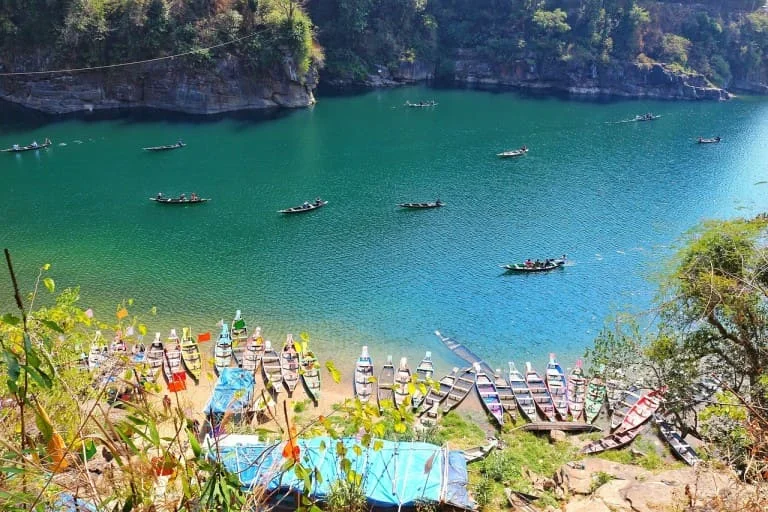
Nestled in the lush hills of Meghalaya, the Behdienkhlam Festival is a vibrant testament to the Pnar community’s rich heritage, making it a must-see among Meghalaya festivals. Held in the scenic town of Jowai, this festival transforms the region into a hub of cultural fervor, offering visitors a chance to witness ancient rituals, lively dances, and towering rots that symbolize spiritual cleansing. As one of the most dynamic summer festivals in India, Behdienkhlam not only celebrates the Pnar’s Niamtre faith but also promotes Meghalaya tourism by inviting travelers to engage with a living tradition that blends spirituality, community, and environmental consciousness.
Introduction to the Behdienkhlam Festival
Meghalaya, known as the “Abode of Clouds,” is a cultural haven where the Behdienkhlam Festival emerges as one of the most vibrant Meghalaya festivals. Celebrated by the Pnar or Jaintia community in the Jaintia Hills, this festival is a cornerstone of Meghalaya tourism, attracting visitors with its vivid rituals, traditional music, and deep-rooted communal spirit. Held annually in July, Behdienkhlam stands out among summer festivals in India, offering a captivating blend of dance, ceremonial rites, and ancient traditions that reflect the Pnar’s unique heritage.
The festival’s name, translating to “chasing away the plague” in the Pnar language, underscores its purpose of warding off evil spirits and praying for prosperity and good health. Unlike other Meghalaya festivals such as the Wangala or Shad Suk Mynsiem, Behdienkhlam is deeply rooted in the Niamtre religion, a traditional faith of the Pnar, showcasing their indigenous beliefs through elaborate ceremonies. For travelers seeking authentic cultural experiences, the Behdienkhlam Festival provides an unparalleled glimpse into the soul of Meghalaya tourism, where tradition and festivity intertwine.
Given your interest in summer travel destinations, Behdienkhlam offers a compelling alternative to hill stations like Manali or Darjeeling, combining spiritual depth with festive exuberance. It’s a must-visit for those exploring summer festivals in India, promising a journey into Meghalaya’s rich cultural tapestry. This article delves into the festival’s significance, rituals, timing, and vibrant highlights, revealing why it’s a cultural gem for visitors and a testament to the enduring spirit of Meghalaya festivals.
Celebrate Behdienkhlam Festival – The Biggest Traditional Festival of Jaintia Hills. Reserve Your Meghalaya Tour Today!
Significance of Behdienkhlam in Meghalaya Culture
The Behdienkhlam Festival holds profound importance in Meghalaya’s cultural landscape, embodying the Pnar community’s reverence for their heritage, environment, and communal bonds. Rooted in the Niamtre faith, it celebrates unity, agricultural prosperity, and spiritual cleansing, making it a standout among Meghalaya festivals. Historically, Behdienkhlam is said to have originated from a prophecy warning of a plague that could devastate the Jaintia tribe, prompting rituals to appease protective deities like U Mukhai, Mulong, Mooralong, and Musniang, ensuring the community’s safety.
These rituals, meticulously preserved through generations, symbolize resilience against disease, misfortune, and natural calamities, reinforcing the Pnar’s cultural identity. The festival fosters social cohesion, as families and clans unite to honor ancestors, pray for bountiful harvests, and strengthen community ties, a key draw for Meghalaya tourism. Beyond its religious roots, Behdienkhlam has evolved to address contemporary issues, with recent celebrations incorporating messages of environmental conservation and social justice, reflecting the Pnar’s deep connection to their land and evolving values.
For visitors, the Behdienkhlam Festival offers a unique opportunity to engage with Meghalaya festivals that seamlessly balance tradition with modern relevance. It’s a cultural treasure among summer festivals in India, blending spirituality with a vibrant community spirit that resonates with both locals and tourists. The festival’s ability to adapt while preserving its core essence makes it a dynamic highlight of Meghalaya tourism, captivating those seeking meaningful and authentic cultural experiences in the heart of Northeast India.
Rituals and Traditions of the Behdienkhlam Festival
The Behdienkhlam Festival weaves a rich tapestry of rituals and traditions, each steeped in symbolism and community participation, cementing its status as one of the most significant Meghalaya festivals. Spanning four days, the festival begins with solemn religious rites led by the Daloi, the chief religious figure of the Pnar community. A central ritual involves young men beating the roofs of homes with bamboo poles, a symbolic act to drive away evil spirits, plagues, and diseases, as documented by the Meghalaya government.
This practice, directly tied to the festival’s name, reflects the Pnar’s belief in cleansing their community of malevolent forces. Women, integral to the matrilineal structure of Jaintia society, play a vital role by preparing and offering sacrificial food to ancestral spirits, honoring their cultural and familial legacy. Another key ritual, Cher iung blai, involves men entering a thatched hut to symbolically slay demons with spears, reinforcing the festival’s protective ethos and spiritual significance.
Prayers and offerings for a prosperous harvest and communal well-being are central, with the Daloi leading rhythmic chants and libations to deities. In recent years, Behdienkhlam has incorporated environmental awareness campaigns, such as promoting sustainable practices, showcasing its adaptability and relevance, a major draw for Meghalaya tourism. These traditions, blending spirituality with social purpose, captivate visitors, making the festival a standout among summer festivals in India.
The rituals highlight Behdienkhlam’s role in preserving Pnar culture while fostering unity and resilience. For travelers, participating in or observing these ceremonies offers a profound connection to Meghalaya festivals, immersing them in a living heritage that pulses with energy and meaning. The festival’s communal spirit and evolving practices underscore its enduring significance in Meghalaya’s cultural narrative.
When and Where is Behdienkhlam Celebrated?
The Behdienkhlam Festival is celebrated annually in July, aligning with the post-sowing season and the arrival of the monsoon, making it a vibrant addition to summer festivals in India. This timing is deeply tied to the agricultural cycle, as the Pnar community prays for bountiful harvests and protection from natural calamities like floods or droughts. The festival’s epicenter is Jowai, a picturesque town in the West Jaintia Hills, located approximately 64 km from Shillong, Meghalaya’s capital.
Jowai transforms into a bustling cultural hub during Behdienkhlam, drawing tourists eager to explore the rich offerings of Meghalaya tourism. Smaller celebrations also take place in Tuberkmai, East Jaintia Hills, with events unfolding over four days. The festival’s climax occurs at Jowai’s sacred Aitnar pool or Tuberkmai’s Ka Biar Blai, where rituals, dances, and traditional games reach their peak, captivating all who attend.
The monsoon rains, often seen as a divine blessing, enhance the festival’s mystical allure, with Jowai’s streets alive with music, color, and communal fervor. For those seeking to experience Meghalaya festivals, July in Jowai offers an immersive cultural journey, positioning Behdienkhlam as a must-see event in Meghalaya tourism and a highlight among summer festivals in India. The festival’s scenic setting amidst Meghalaya’s lush hills adds to its appeal, making it a perfect summer destination.
Highlights of the Festival: Dance, Drums, and the Rots
The Behdienkhlam Festival is a sensory feast, with its vibrant dances, rhythmic drums, and towering rots stealing the spotlight, making it a pinnacle of Meghalaya festivals. Men perform traditional dances accompanied by the pulsating beats of pipes and drums, gathering at the Aitnar pool on the final day. These dances, deeply rooted in Pnar tradition, symbolize communal joy and the symbolic expulsion of evil spirits, creating an electrifying atmosphere.
The rots—tall, intricately designed bamboo structures adorned with colorful paper, tinsel, and sometimes cloth—are a focal point of the festival. Carried through Jowai’s streets in a grand procession, these rots often bear social messages, such as calls for environmental conservation or community welfare, reflecting Behdienkhlam’s modern evolution and its appeal to Meghalaya tourism. They are ceremonially immersed in the Aitnar pool, symbolizing offerings to the gods for protection and prosperity.
The festival’s climax features the dad-lawakor, a football-like game played with a wooden ball between northern and southern teams, with the winners believed to herald a prosperous harvest. Additional games like latan-bhang (tug-of-war) and log-pushing contests add excitement, engaging both locals and visitors. These elements position Behdienkhlam as a dynamic showcase among summer festivals in India, drawing crowds with its cultural depth.
Visitors are captivated by the rhythmic energy, vibrant colors, and communal spirit of the festival’s highlights. For travelers, Behdienkhlam’s dances, rots, and games offer a chance to celebrate Pnar heritage in an immersive setting, reinforcing its role as a cultural highlight of Meghalaya festivals. The festival’s ability to blend tradition with contemporary messages ensures its appeal to a global audience seeking authentic Meghalaya tourism experiences.
Conclusion: Celebrate Culture and Community in Meghalaya
The Behdienkhlam Festival is more than a celebration; it’s a vibrant expression of Pnar identity, uniting community, spirituality, and tradition, solidifying its place among Meghalaya festivals. For travelers drawn to summer festivals in India, Behdienkhlam offers an unparalleled cultural immersion, seamlessly blending ancient rituals with modern relevance. From the rhythmic beating of bamboo poles to the colorful rots and the spirited dad-lawakor game, the festival captures the essence of Meghalaya tourism, showcasing the Pnar’s resilience and cultural pride.
Set against the misty, verdant hills of Jowai, Behdienkhlam creates a magical experience that resonates with cultural explorers. Whether you’re swaying to the beat of traditional drums, witnessing the ceremonial immersion of rots, or joining locals in festive cheer, the festival leaves lasting memories. It stands as a testament to why Meghalaya festivals are a vital part of India’s rich cultural heritage, offering visitors a chance to connect with a living tradition.
Plan your visit to this iconic festival and immerse yourself in the vibrant spirit of Meghalaya. SOTC’s curated Meghalaya tourism packages provide seamless travel planning, guided tours, and immersive cultural experiences, making it easy to discover the Behdienkhlam Festival and other summer festivals in India.
FAQs (Frequently Asked Questions)
When is the Behdienkhlam Festival celebrated?
The Behdienkhlam Festival is held annually in July in Jowai, West Jaintia Hills. It aligns with the monsoon and post-sowing season, making it a vibrant part of summer festivals in India.
What is the main purpose of the Behdienkhlam Festival?
It aims to ward off evil spirits and pray for prosperity and good harvests, a key aspect of Meghalaya festivals. The festival’s rituals reflect the Pnar’s spiritual and communal values, rooted in the Niamtre faith.
Can tourists participate in the Behdienkhlam Festival?
Yes, visitors are warmly welcomed to observe and join the festivities, enhancing Meghalaya tourism. Tourists can experience dances, rots, and games, immersing themselves in Pnar culture.