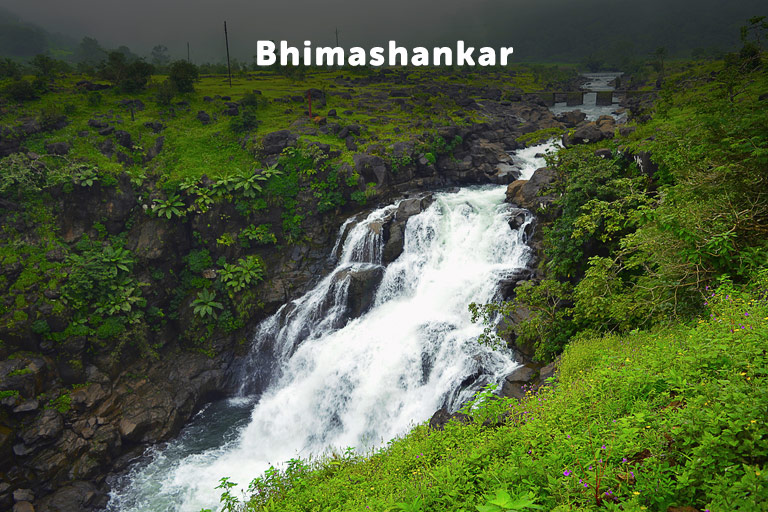
Bhimashankar temple is in the Sahyadri region of Maharashtra, near the Pune district. The shrine is dedicated to Lord Shiva and is visited by devotees who wish to seek darshan at one of the revered Jyotirlinga sites.
If you are planning a visit, do not depend only on old travel notes. Bhimashankar temple timings, pass rules and crowd arrangements may change during renovation work, festivals, Shravan, Mondays or high-footfall periods. A good plan should include darshan updates, road travel time and enough buffer for queues.
What Makes Bhimashankar Temple Important
Bhimashankar is not only a temple visit. For many devotees, it is a quiet journey into the hills with a strong spiritual purpose.
The temple is associated with Lord Shiva and draws pilgrims from Maharashtra, Gujarat, Madhya Pradesh and other parts of India. The setting also adds to the experience. The road passes through forested stretches, ghat sections and small village pockets before reaching the temple area.
Many visitors come for:
- Jyotirlinga darshan
- Shiva worship
- A peaceful hill pilgrimage
- A short spiritual break from Pune or Mumbai
- A wider Maharashtra temple circuit
The place feels different from a busy city temple. The approach is slower, the weather can shift quickly, and crowd movement depends a lot on the season.
Bhimashankar Temple Location
The Bhimashankar temple location is in Maharashtra’s Sahyadri belt, in a hilly region connected mainly by road.
Most devotees plan the trip from Pune, Mumbai or nearby towns. Pune is usually the more convenient base for many travellers, while Mumbai visitors should keep more time in hand.
Helpful location notes:
- State: Maharashtra
- Region: Sahyadri hills
- Main nearby city: Pune
- Common travel base: Pune or Mumbai
- Travel style: Road journey with hill stretches
- Visit type: Pilgrimage, nature and short getaway
Because the temple area is close to forested surroundings, visitors should avoid littering and follow local instructions. The route may feel beautiful, but it also needs careful driving, especially during rain or mist.
Bhimashankar Temple Timings
Bhimashankar temple timings usually follow an early morning opening, darshan through the day, aarti periods and night closure.
The official temple schedule mentions morning opening, darshan and abhishek slots, afternoon rituals, evening aarti and later darshan before closure. However, this should be checked again before travelling, as daily movement may change due to crowd control or special occasions.
Use this as a planning guide:
| Temple Activity | What Visitors Should Know |
| Morning Opening | Good for early darshan if you reach on time |
| Morning Aarti | Darshan flow may pause or slow down |
| Day Darshan | Queue length depends on crowd levels |
| Afternoon Rituals | Some movement may be briefly restricted |
| Evening Aarti | A devotional gathering may increase |
| Night Closure | Late arrival can be risky for Darshan |
If you are checking Bhimashankar Jyotirlinga darshan timings, look at the official temple update close to your travel date. Do not assume that the same timing will apply on festival days.
Bhimashankar Temple Darshan Timings and Current Status
Bhimashankar temple darshan timings should always be checked with the current status of the temple.
Recent updates around the temple have included renovation work, darshan passes and crowd management changes. The official website also carries a notice related to online darshan passes. This means a visitor should confirm whether normal walk-in darshan is available, whether a pass is needed, and whether any special queue system is active.
Before leaving home, check:
- Is the Bhimashankar temple open for public darshan?
- Is an online pass needed?
- Are there separate slots for free darshan?
- Are senior citizen or family queues available?
- Is any renovation work affecting the entry?
- Are parking or walking routes changed?
- Are festival-day rules different?
This may sound like extra work, but it can save a lot of stress. A temple trip should not begin with confusion at the entry point.
Best Time to Visit Bhimashankar
The best time depends on your comfort and reason for travel. Winter months usually feel easier for road travel and temple queues. Monsoon makes the region green and beautiful, but it can also bring slippery paths, foggy roads and slower traffic. Summer may feel tiring if the queue is long.
For a smoother trip, consider:
- Weekdays, if you want comparatively lighter movement
- Early morning travel from Pune or Mumbai
- Extra time during Mondays and Shravan
- Weather checks during the monsoon
- Simple plans for travelling with elders
- A light itinerary if children are travelling
If your visit is mainly for darshan, avoid adding too many sightseeing stops on the same day.
How to Reach Bhimashankar Jyotirlinga
If you are wondering how to reach Bhimashankar Jyotirlinga, road travel is the most common option.
Devotees usually reach Pune or Mumbai first and then continue towards the temple by car, cab, bus or a planned pilgrimage vehicle. The last part of the journey may involve hill roads, so comfort and timing matter.
Common route planning options:
- From Pune: Preferred by many travellers because the distance feels more manageable
- From Mumbai: Possible as a road journey, but needs an early start
- From Nashik: Can be planned as part of a wider temple route
- By train: Reach a nearby major city first, then continue by road
- By flight: Pune or Mumbai can work as arrival points, followed by road travel
For first-time visitors asking how to reach Bhimashankar, a pre-arranged vehicle is usually easier than changing multiple local transport options.
What to Expect During Darshan
Bhimashankar Darshan can be peaceful, but the crowd flow may not always be quick. During busy days, devotees may need to stand in queues for a while. Temple staff, volunteers or local authorities may guide movement through barricades or fixed routes. Follow the queue calmly and avoid pushing near narrow sections.
Carry only what you need:
- Small bag
- Water bottle
- Basic medicines
- Light snacks
- Phone with battery backup
- Rain protection if needed
- Modest clothing
- Comfortable footwear
Keep jewellery, heavy bags and unnecessary valuables to a minimum. The more lightly you travel, the easier it is to manage the queue.
Travel Tips for a Better Visit
Bhimashankar needs a little more planning than a city temple. The hill setting, changing weather and possible crowd rules make preparation important. Start early, check updates and keep your schedule flexible.
Useful tips:
- Check the Darshan status one day before travel
- Keep a screenshot of any pass or booking
- Save offline maps before entering low-network areas
- Carry cash for small local spends
- Wear footwear with a good grip
- Keep a shawl or dupatta for temple comfort
- Avoid plastic litter
- Follow local signs and security instructions
- Do not rush on those ghat roads
- Keep extra time for return travel
During the monsoon, carry a raincoat instead of relying only on an umbrella. It is easier to manage in crowded and windy areas.
Nearby Experiences around Bhimashankar
Bhimashankar is mainly a pilgrimage destination, but the surroundings have a calm, natural appeal.
Visitors often enjoy the drive, the forest atmosphere and the peaceful hill setting. Some may also spend time near permitted viewpoints or simple local food stops. However, nature walks and trekking should be planned carefully, especially during rain.
You may include:
- A short halt for local food
- Permitted viewpoints
- Temple surroundings
- Forest-side drives
- Quiet rest time after darshan
Do not enter restricted forest areas. Avoid risky photo stops near slippery edges or narrow roads.
Planning Bhimashankar With a Wider Pilgrimage Route
Bhimashankar can be part of a larger spiritual route in Maharashtra or central India.
If you want a more organised pilgrimage, Jyotirlinga tour packages can help with route planning, stays and transfers. This is useful when travelling with parents, elders or a group.
Travellers who want to extend the trip may also consider nearby religious circuits. Nashik tour packages may suit those planning a visit towards Trimbakeshwar and other sacred places. For a slower heritage-style break, Maheshwar tour packages can be considered as part of a separate spiritual itinerary.
Do not join too many places in one short plan. Pilgrimage travel feels better when there is enough time for rest and darshan.
Conclusion
Bhimashankar Temple is a meaningful pilgrimage for devotees of Lord Shiva. The Sahyadri setting makes the journey memorable, but it also calls for careful planning.
Before you go, check Bhimashankar temple timings, darshan pass rules and current access status. Start early, keep the route simple and allow extra time for queues. If you are unsure about transport, choose a planned road transfer or a pilgrimage package.
A well-planned Bhimashankar visit lets you focus on the real purpose of the journey: peaceful darshan, devotion and time in a sacred hill landscape.