
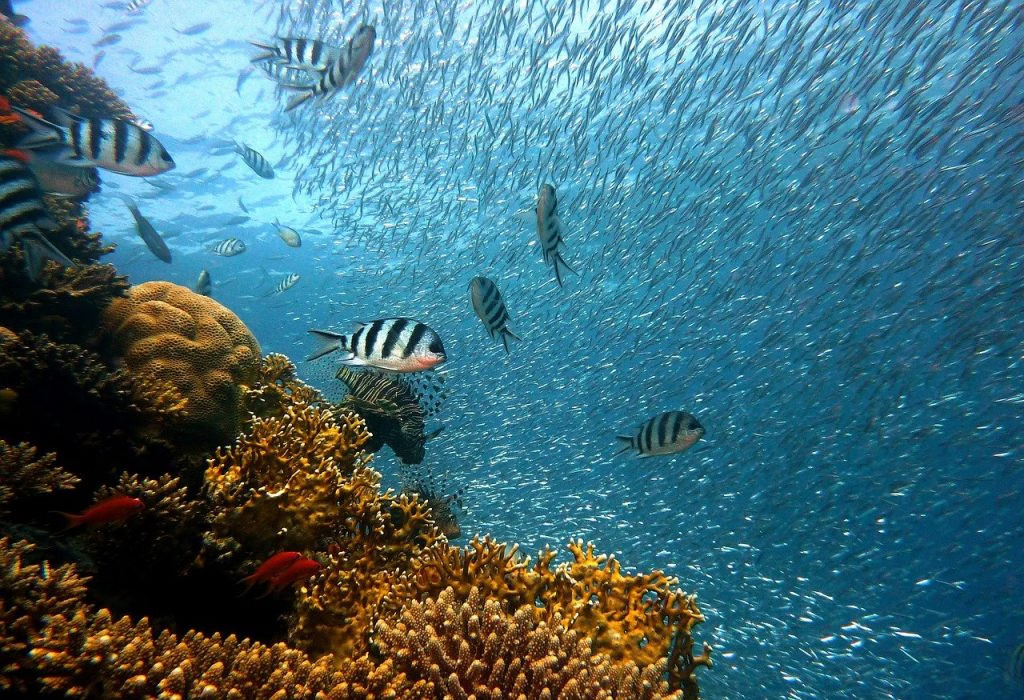
Imagine floating in crystal clear waters, surrounded by a kaleidoscope of colours – vibrant coral formations stretching as far as the eye can see, schools of tropical fish darting in and out of hidden crevices, and the gentle sway of sea anemones in the current. This is the magic of India’s coral reefs.
Whether you’re a seasoned diver or a curious snorkeler, these underwater wonderlands will leave you spellbound. The coral reef in India is not just a natural marvel but also a testament to the country’s commitment to marine conservation. So, pack your swimsuit, grab your snorkeling gear, and get ready to discover a whole new world beneath the waves.
1. Lakshadweep Coral Reefs
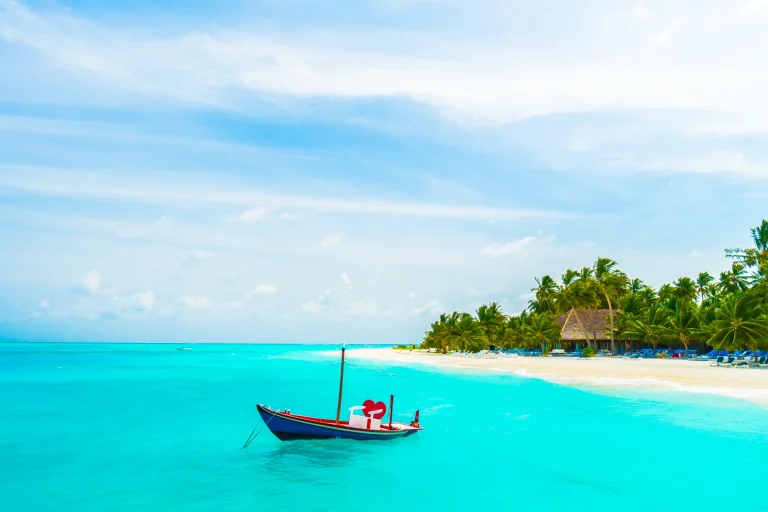
Located in the Arabian Sea, Lakshadweep is renowned for its atoll-type coral reefs, pristine lagoons, and shallow submerged banks. These coral islands host some of the most vibrant marine life in the country.
Highlights: Bangaram and Agatti islands offer opportunities for snorkeling and diving
Reef Type: Atoll reefs
Marine Life: Parrotfish, butterflyfish, manta rays, and sea turtles
Best Time to Visit: October to May
The coral reefs in Lakshadweep are not just a visual treat but also an integral part of the local ecosystem. The reefs act as natural barriers, protecting the islands from erosion and providing a habitat for countless marine species. The local communities have a deep respect for these underwater treasures and work towards their conservation.
To experience the best of Lakshadweep’s coral reefs, plan your visit between October and May when the waters are calm and visibility is at its best. The islands have a range of accommodations, from eco-friendly resorts to budget-friendly guesthouses. Remember to respect the delicate coral ecosystem by avoiding touching or stepping on the corals and using reef-safe sunscreen.
Fun Fact: Did you know that Lakshadweep’s coral reefs are home to over 600 species of fish, 78 species of coral, and 82 species of seaweed? It’s a marine biodiversity paradise!
2. Andaman & Nicobar Islands
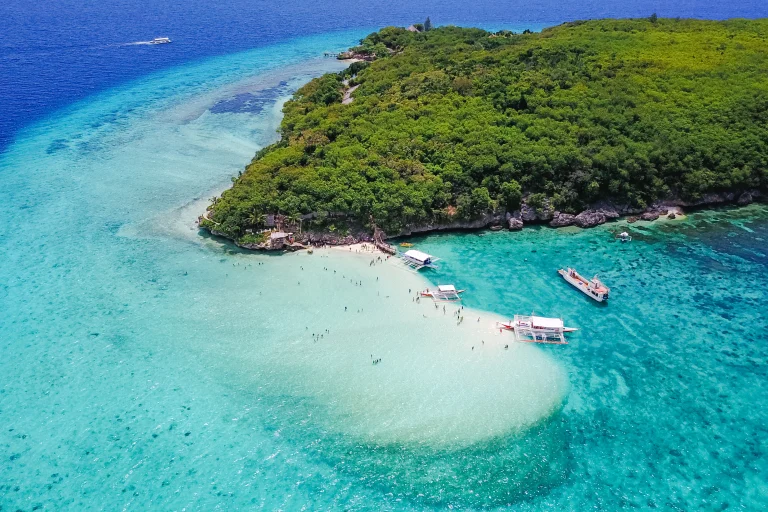
The Andaman & Nicobar Islands are home to fringing coral reefs that extend along their shores. These are among the most biologically diverse coral ecosystems in the country.
Highlights: Havelock Island (now Swaraj Dweep), Neil Island (Shaheed Dweep), and Mahatma Gandhi Marine National Park
Reef Type: Fringing reefs
Marine Life: Clownfish, reef sharks, anemones, hard and soft corals
Best Time to Visit: November to April
Havelock Island (now known as Swaraj Dweep) is the crown jewel of Andaman’s coral reef scene. The island’s most famous dive site, Elephant Beach, is a coral garden teeming with marine life. Snorkelers can explore the shallow reefs close to the shore, while divers can venture deeper to discover a world of colorful corals, schools of tropical fish, and the occasional reef shark.
Neil Island (Shaheed Dweep) is another coral reef gem in the Andamans. The island’s clear waters and vibrant coral formations make it a snorkeler’s paradise. Head to Laxmanpur Beach or Bharatpur Beach to explore the fringing reefs and spot clownfish, parrotfish, and sea anemones.
The best time to visit the Andaman Islands for coral reef exploration is between November and April when the waters are calm and visibility is excellent. The islands have a range of accommodation options, from luxury resorts to eco-friendly huts. Remember to choose a responsible tour operator and follow guidelines to minimise your impact on the delicate coral ecosystem.
Insider Tip: If you’re a certified diver, don’t miss the opportunity to dive at Barracuda City near Havelock Island. This underwater pinnacle is known for its large schools of barracuda, reef sharks, and vibrant soft corals.
3. Gulf of Mannar
Located between Tamil Nadu and Sri Lanka, the Gulf of Mannar is India’s first Marine Biosphere Reserve and comprises 21 islands with rich coral reef biodiversity.
Highlights: Tuticorin group of islands, diving and research experiences
Reef Type: Fringing and patch reefs
Marine Life: Dugongs (sea cows), sea cucumbers, reef-building corals
Best Time to Visit: October to March
The coral reefs in the Gulf of Mannar are mostly fringing and patch reefs, with over 100 species of hard corals and 13 species of seagrasses. The reefs here are not just a visual spectacle but also play a crucial role in the local ecosystem, providing a habitat for countless marine species, including the endangered dugong (sea cow).
To explore the coral reefs of the Gulf of Mannar, head to the Kurusadai and Shingle Islands near Mandapam. These islands offer excellent snorkeling and diving opportunities, with vibrant coral gardens and a chance to spot sea turtles, reef fish, and sea cucumbers.
The best time to visit the Gulf of Mannar for coral reef exploration is between October and March when the waters are calm and visibility is good. The region has a range of accommodation options, from budget-friendly guesthouses to eco-resorts.
Conservation Spotlight: The Gulf of Mannar Marine National Park has implemented several conservation measures, including the establishment of no-fishing zones, the promotion of eco-tourism, and the involvement of local communities in conservation efforts. These measures have helped protect the delicate coral reef ecosystem and the livelihoods of the local fishing communities.
4. Gulf of Kutch
Situated along the northwestern coast of India in the state of Gujarat, the Gulf of Kutch is home to one of the most unique coral reef systems in the country. Unlike the tropical coral reefs found elsewhere, this region hosts cold-water coral reefs, which thrive in comparatively turbid waters and under extreme tidal variations. This makes it an ecological anomaly and an important subject of study for marine researchers.
Highlights: Narara Island and Pirotan Island within the Gulf of Kutch Marine National Park offer a one-of-a-kind intertidal coral viewing experience. During low tide, tourists can actually walk on the seabed and observe corals, sponges, and other marine life without diving.
Reef Type: Fringing reefs — these grow close to the shoreline, often forming narrow bands.
Marine Life: Hard corals like Porites and Favia, octopuses, jellyfish, sponges, sea anemones, crabs, mudskippers, and dolphins
Best Time to Visit: October to February, when tides are lower and marine life is more accessibleThe coral reef in this region is under protection as part of India’s first Marine National Park, and it supports local livelihoods through eco-tourism and fisheries. Due to the area’s challenging conditions—extreme salinity, sediment influx from rivers, and high temperatures—these underwater coral reefs exhibit a unique resilience not seen in other parts of the country.
The Gulf of Kutch exemplifies how coral reefs can survive and adapt in marginal environments. It is a testament to the diversity of types of coral reefs found in India and is vital to marine biodiversity conservation in the northern Arabian Sea.
5. Malvan
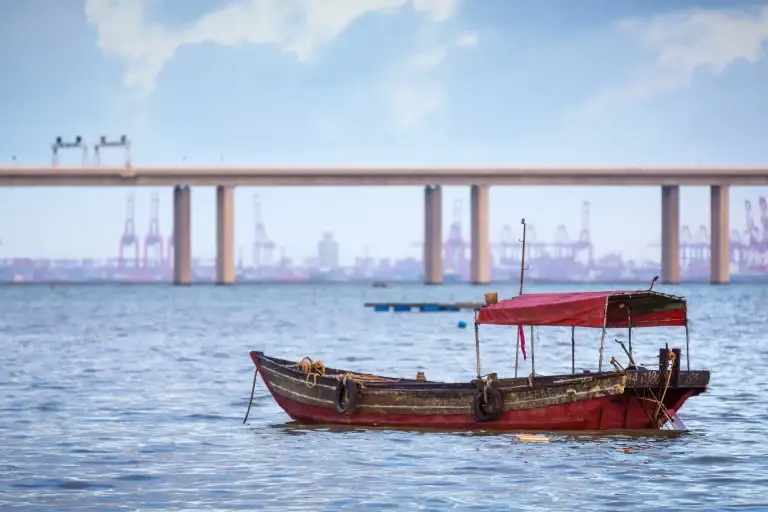
Located along the Konkan coast of Maharashtra, Malvan is emerging as a promising coral reef destination, especially for travelers looking for a convenient coastal getaway combined with marine adventure. Though smaller in scale compared to the reefs of Lakshadweep or the Andamans, the coral reef in Malvan offers accessibility, affordability, and beginner-friendly dive experiences.
Highlights: The reefs around Tarkarli Beach, Devbagh Sangam, and the waters near Sindhudurg Fort offer clear visibility and are ideal for snorkeling and scuba diving. Coral nurseries have also been initiated here as part of reef restoration projects.
Reef Type: Fringing reefs — growing close to shore and interspersed with rocky and sandy seabeds.
Marine Life: Soft corals, sea urchins, clownfish, butterflyfish, sea cucumbers, and vibrant reef flora
Best Time to Visit: October to March, when water clarity is optimal and tourist activities are in full swing
While Malvan’s reefs are relatively new and developing, conservation programs by the Maharashtra government and marine research institutions are helping protect these coral ecosystems. The reefs are now part of marine biodiversity awareness initiatives, attracting students, researchers, and eco-tourists alike.
Malvan stands as a prime example of how local coastal regions can cultivate coral reef tourism with the right ecological management. The underwater coral reef experience here is ideal for families, amateur divers, and anyone who wants to witness coral islands and marine beauty without venturing too far from the mainland.
Types of Coral Reefs Found in India
India’s coral reefs come in various shapes and sizes, each with its unique characteristics and charm. Here’s a quick overview of the types of coral reefs you’ll find in India:
Fringing Reefs: These reefs grow close to the shore and are found in the Andaman Islands, Gulf of Mannar, and Malvan.
Patch Reefs: These small, isolated reefs are found in shallow waters and are common in the Gulf of Mannar and Grande Island.
Atoll Reefs: These ring-shaped reefs surround a central lagoon and are found only in the Lakshadweep Islands.
Barrier Reefs: These reefs are separated from the shore by a deep lagoon and are found in the Gulf of Kutch.
Each type of coral reef offers a unique underwater experience, from the shallow fringing reefs perfect for snorkeling to the deep atolls that challenge experienced divers. No matter which type of reef you choose to explore, remember to tread lightly and respect the delicate ecosystem.
Fun Fact: India’s coral reefs are home to over 200 species of hard corals and 1,000 species of reef fish. That’s a lot of marine diversity packed into these underwater wonderlands!
Dive into vibrant underwater worlds and coastal bliss. Plan your marine escape with tailored tour packages.
Top FAQs About Coral Reefs in India
Which is the largest coral reef area in India?
The Andaman & Nicobar Islands boast the largest coral reef in India in terms of area and biodiversity, with over 500 species of corals and marine life.
Can tourists visit coral reefs in India?
Yes, most coral islands in India such as Lakshadweep, Andaman, and Malvan offer regulated tourism activities like snorkeling and scuba diving for reef exploration.
Are coral reefs protected in India?
Yes. Coral reefs in India are protected under the Wildlife Protection Act (1972) and Marine Protected Areas (MPAs) like the Gulf of Mannar Biosphere Reserve and the Gulf of Kutch Marine National Park.
What is coral bleaching and is it affecting Indian reefs?
Coral bleaching occurs when corals expel the symbiotic algae living in their tissues due to stress factors like rising sea temperatures or pollution. Unfortunately, coral reefs in India, particularly in Lakshadweep and Gulf of Mannar, have experienced bleaching events in recent years, largely due to climate change.
Which coral reef in India is best for scuba diving?
The Andaman & Nicobar Islands, particularly Havelock Island, are considered the best for scuba diving in India due to their clear waters, abundant coral species, and diving infrastructure.