
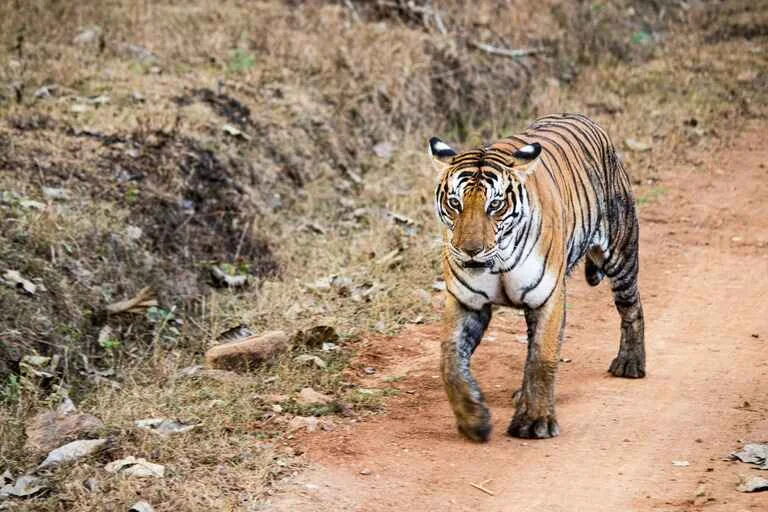
India’s wilderness is a tapestry of vibrant ecosystems, from the misty Himalayan forests to the lush Western Ghats. While popular wildlife sanctuaries in India like Ranthambore and Corbett draw the crowds, there are numerous lesser-known gems scattered across the country waiting to be discovered. These offbeat wildlife sanctuaries in India offer an intimate connection with raw nature, rare species, and tribal cultures – without the tourist hordes.
For wildlife enthusiasts seeking a more authentic and immersive experience, exploring these hidden animal reserves in India promises unforgettable encounters. In this blog, we uncover some of the most captivating yet underrated wildlife sanctuaries and tiger reserves, where you can witness unfiltered wilderness and support vital conservation efforts. Get ready to venture off the beaten path and discover a whole new side to India’s incredible natural heritage.
Hidden Tiger Reserves You Should Explore
India has over 50 tiger reserves, but many of them remain under the radar. These lesser-known reserves are perfect for those seeking solitude and authentic wildlife encounters.
1. Buxa Tiger Reserve, West Bengal
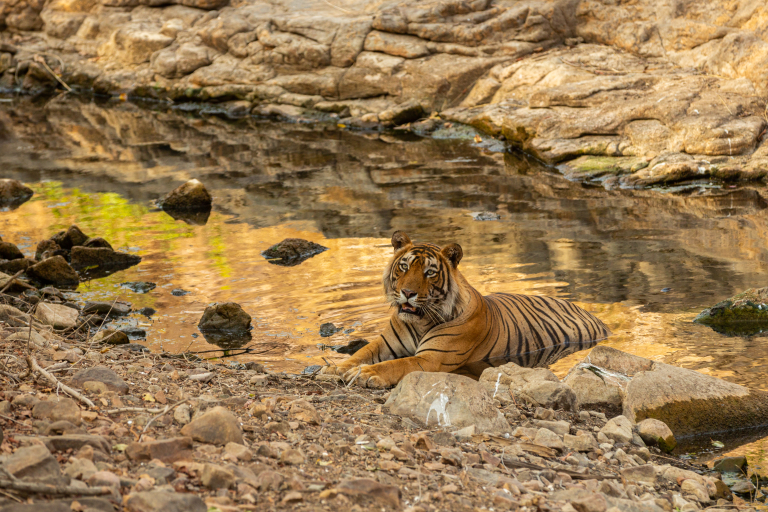
Located in the Himalayan foothills, Buxa offers a diverse ecosystem of tropical forests and grasslands. It’s one of the richest yet least-explored animal reserves in India. The area is home to tigers, leopards, elephants, and an impressive array of birds and butterflies. Visit the historic Buxa Fort and walk along the Jayanti River trail for a peaceful retreat.
Despite its rich biodiversity and stunning landscapes, Buxa remains one of the most underrated wildlife sanctuaries in India, especially in the northeast region. This makes it an ideal destination for those seeking a more intimate and authentic wildlife experience away from the crowds.
2. Satkosia Tiger Reserve, Odisha
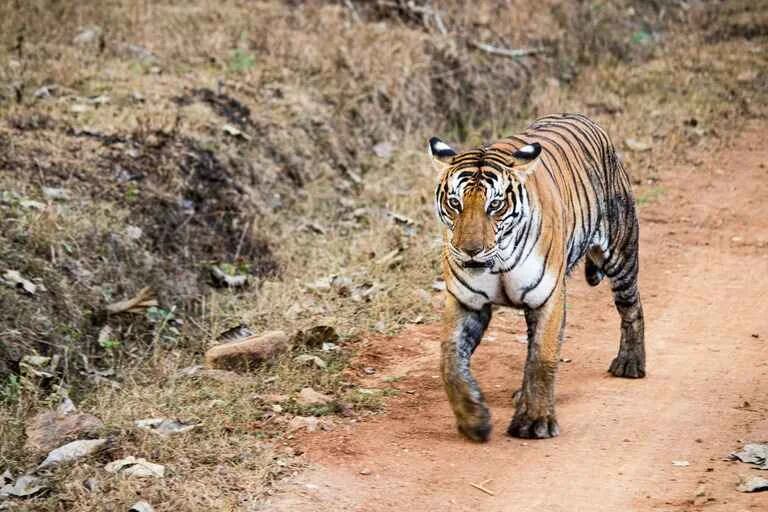
Situated along the dramatic Mahanadi River Gorge, Satkosia is known for its riverine beauty and rich wildlife. While not as commercial as the popular wildlife sanctuaries in India, it offers a stunning mix of forest, water, and hills—ideal for seeing crocodiles, leopards, and rare birds. Opt for a boat safari for a unique perspective.
Due to its remote location and limited infrastructure, Satkosia remains one of the most underrated wildlife sanctuaries in India. However, this also makes it an ideal destination for adventurous travelers and wildlife enthusiasts who are looking for an offbeat and authentic experience.
3. Kamlang Tiger Reserve, Arunachal Pradesh
Kamlang is one of India’s newest tiger reserves and lies adjacent to the Namdapha National Park. It features lush tropical rainforests, clouded leopards, and endangered mammals, making it a paradise for those who enjoy trekking through raw terrain. Due to limited accessibility, it remains a well-preserved Indian animal sanctuary.
Visiting Kamlang also provides an opportunity to experience the unique culture and traditions of the indigenous tribes that call this region home. The reserve is particularly known for its Mishmi tribe, who have a rich history and a deep connection with the forest.
With less than 1,000 visitors per year, Kamlang remains one of the most underrated and unexplored wildlife sanctuaries in India. However, this also means that the reserve offers a truly wild and authentic experience for those who are willing to venture off the beaten path.
4. Nawegaon-Nagzira Tiger Reserve, Maharashtra
Often overshadowed by Tadoba and Pench, this reserve in eastern Maharashtra is home to Bengal tigers, sloth bears, and bison. It’s especially known for birdwatching. With fewer crowds and strong conservation efforts, it ranks among the best kept wildlife sanctuaries in India for eco-tourism.
In addition to its diverse wildlife, Nawegaon-Nagzira is known for its stunning natural beauty. The reserve is dotted with several picturesque lakes, such as the Nawegaon Lake and the Nagzira Lake, which offer a peaceful and serene setting for wildlife viewing and birdwatching.
Compared to the more popular tiger reserves in Maharashtra, such as Tadoba and Pench, Nawegaon-Nagzira remains relatively less commercialized and crowded. This makes it an ideal destination for those seeking a more intimate and authentic wildlife experience in the heart of central India.
5. Dampa Tiger Reserve, Mizoram
Tucked away in the hilly forests of western Mizoram, Dampa is a remote and unexplored haven. It shelters elephants, wild boars, and even the elusive clouded leopard. With minimal infrastructure, Dampa appeals to seasoned wildlife explorers seeking untouched animal sanctuaries in India.
In addition to its wildlife, Dampa offers several scenic trekking trails that wind through the dense forests and along the crystal-clear streams. These trails provide an opportunity to immerse yourself in the pristine beauty of the reserve and experience its serene and peaceful atmosphere.
As one of the most remote and least visited wildlife sanctuaries in India, Dampa offers a truly off-the-beaten-path experience for adventurous travelers and wildlife enthusiasts. While the reserve has limited tourism infrastructure, this only adds to its charm and makes it a must-visit destination for those seeking a genuine and unspoiled wilderness experience.
6. Palamau Tiger Reserve, Jharkhand
Once among India’s earliest tiger reserves, Palamau now lies hidden in the shadows of larger parks. Despite a decline in tiger population, its dense forests remain home to leopards, wild dogs, and other fauna. Located near Betla National Park, it’s a historic and underrated stop for wildlife enthusiasts.
In recent years, Palamau has faced several challenges, including habitat loss, poaching, and human-wildlife conflict. However, the reserve’s dedicated staff and conservation efforts have helped to protect its wildlife and preserve its natural beauty for future generations.
For those seeking a quiet and authentic wildlife experience in the heart of central India, Palamau Tiger Reserve is a must-visit destination. With its rich history, diverse wildlife, and stunning natural beauty, the reserve offers a rare opportunity to explore and appreciate India’s wild and untamed side.
Offbeat Wildlife Sanctuaries in India
These sanctuaries may not be household names, but they offer a wealth of natural beauty, rare species, and fewer tourists—making them ideal for a peaceful escape.
1. Eaglenest Wildlife Sanctuary, Arunachal Pradesh
Eaglenest is a birder’s paradise in the eastern Himalayas, globally recognized for the discovery of the Bugun Liocichla—a bird found nowhere else. Its untouched terrain and low human impact make it one of the most pristine wildlife sanctuaries in India. Early morning treks here are magical.
For birdwatchers, nature enthusiasts, and adventurous travelers seeking a truly unique and off-the-beaten-path experience, Eaglenest Wildlife Sanctuary is a must-visit destination. With its stunning natural beauty, incredible biodiversity, and commitment to conservation, the sanctuary offers a rare glimpse into the wild and untamed heart of India’s northeast.
2. Karlapat Wildlife Sanctuary, Odisha
Located in Kalahandi district, Karlapat is known for its scenic waterfalls, sal forests, and endangered antelope species. Tribal communities live in harmony with nature here, giving visitors insight into indigenous conservation practices. It’s a culturally rich addition to the list of animal sanctuaries in India.
By choosing to visit lesser-known animal sanctuaries in India like Karlapat, you not only escape the crowds but also support responsible tourism that benefits local communities and conservation initiatives. So pack your bags and get ready to discover a side of Odisha that few have experienced before.
3. Kumbhalgarh Wildlife Sanctuary, Rajasthan
Encircling the historic Kumbhalgarh Fort, this sanctuary features dry deciduous forests and wildlife like wolves, hyenas, and leopards. The unique blend of architecture and wilderness offers travelers a distinctive experience far from traditional safari parks.
For those seeking a unique and immersive wildlife experience in the heart of Rajasthan, Kumbhalgarh Wildlife Sanctuary is a must-visit destination. With its diverse wildlife, stunning natural beauty, and rich cultural heritage, the sanctuary offers a rare glimpse into the wild and untamed side of India’s desert state.
4. Sitanadi Wildlife Sanctuary, Chhattisgarh
This lesser-known sanctuary features dense sal forests and is named after the Sitanadi River. With relatively low footfall, it serves as an excellent alternative to the more crowded wildlife sanctuaries in India. It’s also a great place for nature walks, night camping, and birdwatching.
The best time to visit Sitanadi Wildlife Sanctuary is from October to June, with the winter months being particularly pleasant for wildlife sightings and outdoor activities. The sanctuary is easily accessible by road from major cities like Raipur and Dhamtari, with the nearest town being Dhamtari, about 100 km away.
5. Mhadei Wildlife Sanctuary, Goa
Beyond Goa’s beaches lies Mhadei, one of the most biodiverse belts in the Western Ghats. Home to tigers, black panthers, and numerous butterfly species, Mhadei is a hotspot for conservation. Visit during monsoon for dramatic waterfalls and misty trails in this lush Indian animal sanctuary.
The sanctuary is named after the Mhadei River, which originates in the Western Ghats and flows through the heart of the park, creating a unique ecosystem that supports an incredible diversity of flora and fauna.
6. Chilapata Wildlife Sanctuary, West Bengal
Located near Jaldapara, Chilapata is a dense forest corridor that shelters elephants, leopards, and rare hispid hares. Its lesser-known status makes it a peaceful destination for forest lovers. Jeep safaris and tribal homestays are among the unique experiences here.
The sanctuary is easily accessible by road and rail, with the nearest town being Hasimara, about 10 km away. Accommodation options include forest rest houses, eco-lodges, and homestays in nearby villages, offering a range of experiences from rustic charm to eco-luxury.
7. Thol Wildlife Sanctuary, Gujarat
Just outside Ahmedabad, Thol is a wetland sanctuary famous for flamingos, pelicans, and cranes. It’s perfect for early morning birding sessions and family-friendly nature outings. A hidden gem among wildlife sanctuaries in India for bird enthusiasts.
Why Visit Lesser-Known Sanctuaries and Reserves?
Fewer Crowds and More Natural Encounters
Smaller, under-the-radar reserves provide a quieter environment, where you can actually hear birdsong and witness wildlife in a more undisturbed setting—something that’s often lost in popular parks.
Unique Biodiversity and Rare Species
Many of these locations protect rare species not easily seen elsewhere, such as the Bugun Liocichla in Eaglenest or clouded leopards in Dampa. Visiting these places broadens your wildlife experience beyond just tigers.
Sustainable and Responsible Tourism
Smaller footfall means less strain on local ecology. Many of these animal reserves in India also promote community-based tourism, ensuring your visit supports conservation and local livelihoods.
Cultural and Tribal Connections
From the Mizo tribes near Dampa to the indigenous communities around Karlapat and Satkosia, these sanctuaries offer deep cultural insights that add another layer to your wildlife journey.
Explore India’s wild secrets with offbeat escapes. Discover more with our expert-curated tour packages.
FAQs About Visiting Lesser-Known Sanctuaries in India
Are these lesser-known places safe for tourists?
Yes, they are generally safe when visited with authorized guides or during daylight hours. It’s always recommended to follow park rules and local advice.
What’s the best time to visit these sanctuaries?
October to March is the ideal time, offering comfortable weather and high wildlife activity. Bird sanctuaries are best visited between November and February.
Do I need special permits or guides?
Some places like Kamlang, Satkosia, and Eaglenest require permits. Hiring local guides not only enhances your trip but also contributes to community livelihoods.
How can I reach these offbeat locations?
Most sanctuaries are connected via the nearest towns. For example, Chilapata can be reached from Alipurduar, and Eaglenest from Tenga Valley. Always plan transport and accommodations in advance.
Can I spot tigers and other big cats here?
Yes, but sightings depend on luck, timing, and season. While reserves like Nawegaon-Nagzira and Satkosia have tiger populations, others offer sightings of leopards, wild cats, and other elusive species.