
UNESCO World Heritage Sites in India give travellers a direct way to see the country’s art, faith, kingdoms, landscapes and old city life. These places are not just monuments on a route; they are living reminders of how India has grown across regions.
If you are planning India tour packages, build the journey around names that match your interest, whether it is Mughal architecture, desert forts, temple towns, caves or protected forests. This guide keeps the focus on site names worth knowing and visiting. It is written for travellers who prefer clear, calm planning and safe timing.
What Makes These Sites Worth Visiting
Heritage travel feels richer when you know the name of the place and the story it carries.
UNESCO heritage sites in India include forts, palaces, temples, caves, cities, rail routes, forests and mountain landscapes.
Some are easy to add to a city break, while others need slower planning. Before deciding, check the total UNESCO sites in India through the official list because new inscriptions may be added over time.
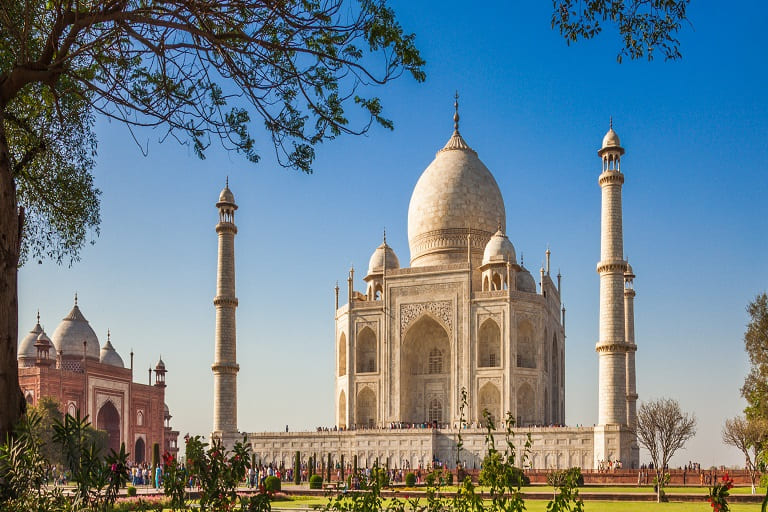
Taj Mahal, Agra
The Taj Mahal is one of the most recognised names on India’s heritage map. Its marble structure, garden approach and riverside position make it a powerful visit for travellers interested in Mughal history and architecture.
Those comparing Agra tour packages can keep enough time for the complex instead of treating it as a quick photo stop. The site feels better when seen slowly, especially in softer light.
Agra Fort, Uttar Pradesh
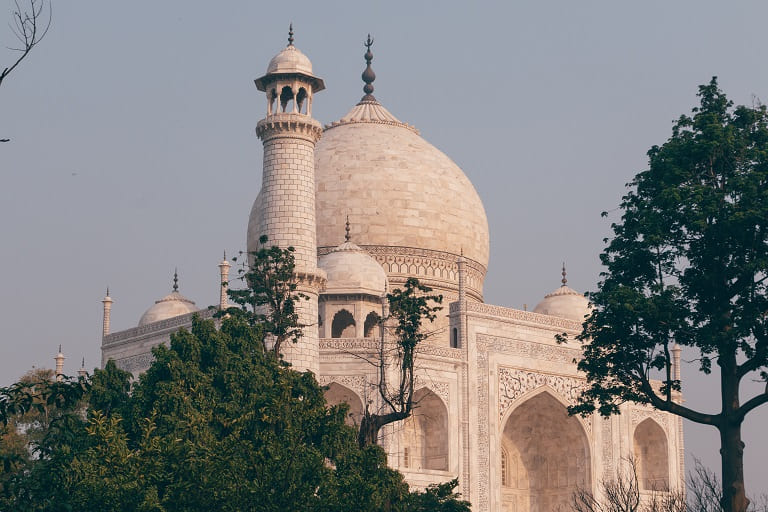
Agra Fort adds strength and depth to the Agra visit. The fort brings together gateways, halls, courtyards and palace areas that show how power and design worked together. It is close enough to pair with the Taj Mahal, but it has a very different mood. Travellers can plan both names in the same city route without rushing.
Fatehpur Sikri, Uttar Pradesh
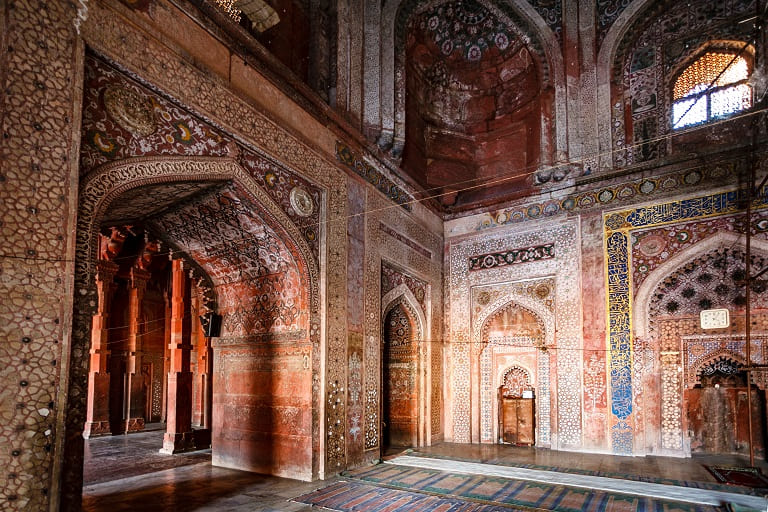
Fatehpur Sikri is a striking Mughal city site near Agra. Its palaces, courtyards, gateways and prayer spaces show a planned royal city with fine stone work. The site suits travellers who enjoy large architectural spaces and quiet heritage walks. It is also useful for those who want to see more than the usual Agra route.
Jaipur City, Rajasthan
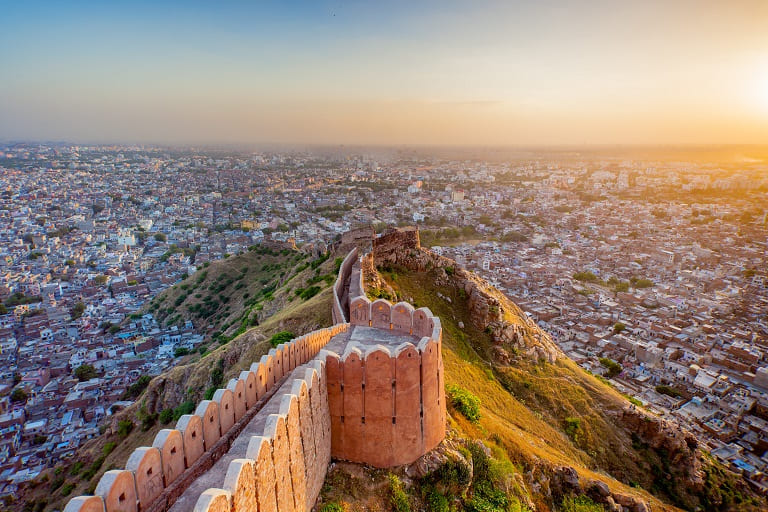
This is not a single building visit. The city works through colour, layout, craft and daily movement.
Travellers browsing Rajasthan tour packages can include Jaipur when they want heritage that feels alive, with old bazaars, royal spaces and local food close together.
Hill Forts of Rajasthan
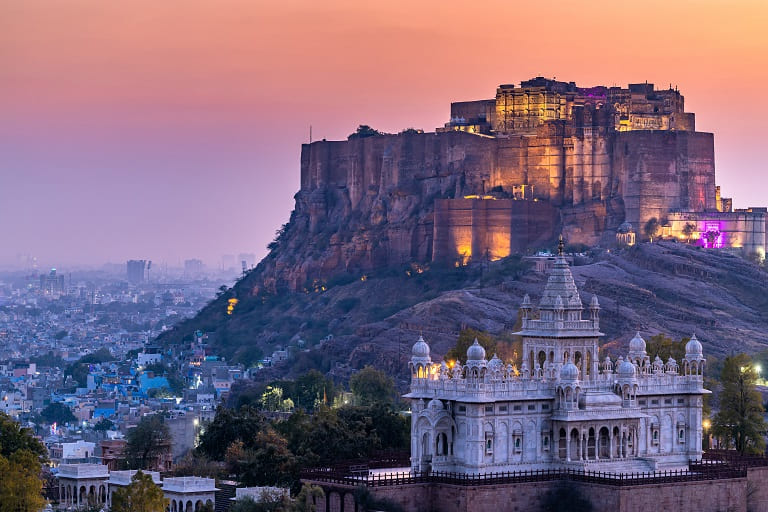
The Hill Forts of Rajasthan show the scale and character of royal defence in the region.
Amber Fort, Chittorgarh Fort, Kumbhalgarh Fort, Ranthambore Fort, Gagron Fort, and Jaisalmer Fort bring different landscapes into the same heritage theme. Choose forts by route, weather and travel pace rather than trying to cover everything quickly.
Group of Monuments at Hampi
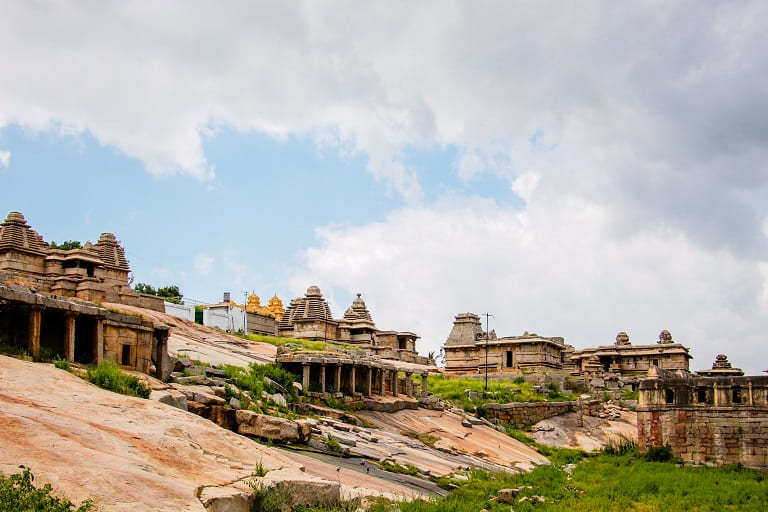
Hampi is one of the most atmospheric heritage destinations in India. The stone temples, market remains, riverbanks, and boulder-filled views create a strong sense of place. Travellers considering Hampi tour packages should give this site time, as the monuments feel more meaningful when explored without a tight plan. It is a destination for walking, pausing and observing details.
Ajanta Caves and Ellora Caves
Ajanta Caves and Ellora Caves show India’s rock-cut art at a remarkable scale. Ajanta is known for its painted cave interiors and Buddhist links. Ellora brings Buddhist, Hindu and Jain monuments into one visit. Together, they suit travellers who enjoy sculpture, murals and sacred art. Wear comfortable footwear because both places require slow movement and attention.
Khajuraho Group of Monuments
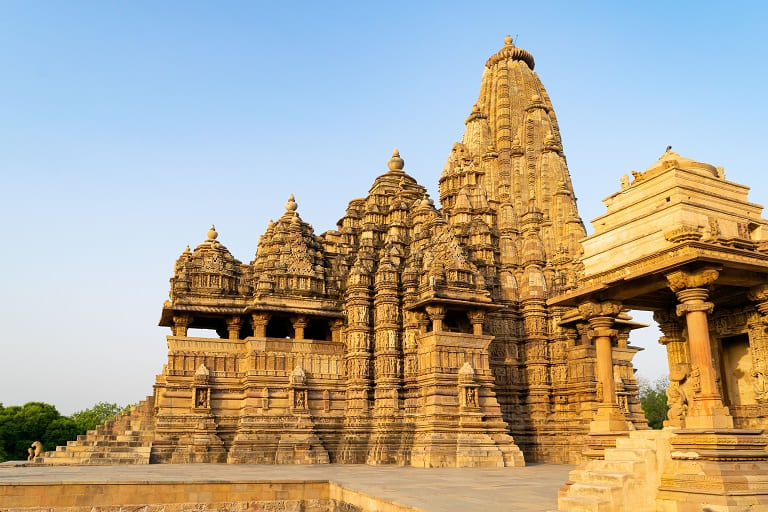
Khajuraho is known for temple architecture, carved walls and balanced layouts.
The site is often discussed for its sculpture, but its temple planning is equally important. It suits travellers who enjoy art history, symbolism and calm open spaces. A guided visit can make the carvings easier to understand without turning the visit into a rushed lesson.
Sun Temple, Konark
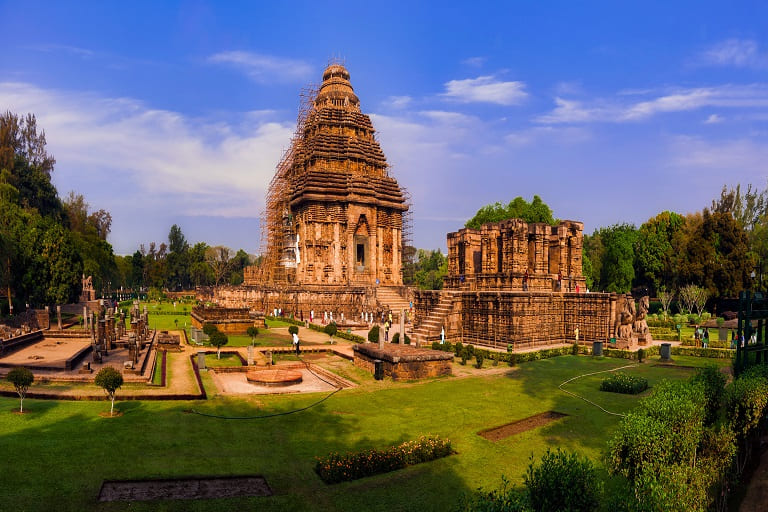
The Sun Temple at Konark is one of eastern India’s memorable temple sites. Its stone chariot form, carved wheels and sculptural panels give the monument a strong visual identity. The site works well for travellers who want temple architecture with dramatic design. Walk around the structure slowly, as the details reveal themselves from different angles.
Group of Monuments at Mahabalipuram
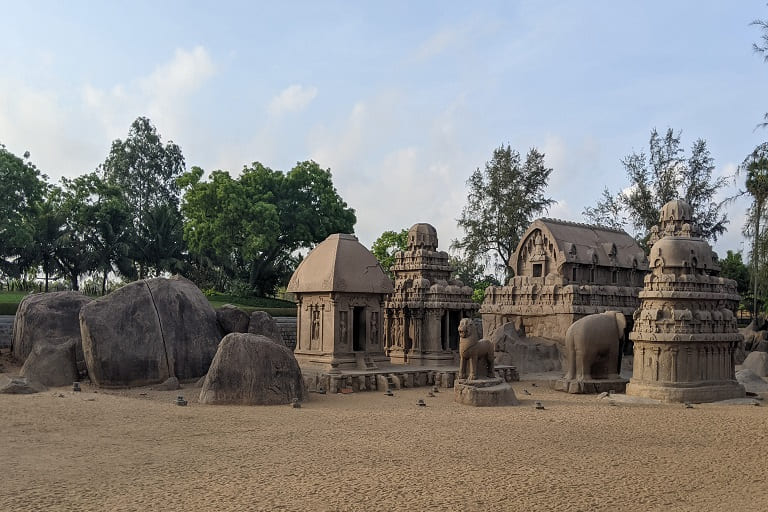
Mahabalipuram combines carved stone, temple forms and a coastal mood. The Shore Temple, rock-cut caves and large reliefs give this place a clear artistic identity. It is easier to explore than many large heritage zones and works well for travellers who prefer a relaxed pace. Its sea-facing charm also makes it different from inland temple destinations.
Natural Names to Add to Your List
Not all UNESCO sites in India are monuments. Some are forests, wetlands and mountain areas.
Kaziranga National Park, Sundarbans National Park, Western Ghats, Great Himalayan National Park Conservation Area and Khangchendzonga National Park bring wildlife, rivers, forests and high-altitude landscapes into the heritage idea. These places need seasonal planning, permits where required and respect for local rules.
Planning the Route around Site Names
A good route should be shaped by interest, not by a long list. If Mughal history attracts you, choose the Taj Mahal, Agra Fort and Fatehpur Sikri. If royal Rajasthan appeals to you, combine Jaipur City with selected hill forts through well-planned India tour packages.
For ancient art, look at Ajanta, Ellora, Khajuraho, Konark, Mahabalipuram and Hampi. For nature, look at Kaziranga, Sundarbans and the Western Ghats. Keep the journey focused so each name gets proper time.
Conclusion
India’s recognised heritage places are worth visiting because each name opens a different part of the country’s story. Taj Mahal, Agra Fort, Fatehpur Sikri, Jaipur City, Hill Forts of Rajasthan, Hampi, Ajanta, Ellora, Khajuraho, Konark, Mahabalipuram and India’s natural heritage areas all offer different travel moods.
Choose places that fit your time, interest and comfort. Travel slowly, respect the rules and let these remarkable names speak through their details.