Step into a world where ancient legends spring to life, where streets pulse with devotion, and the air vibrates with sacred chants. Welcome to Ram Navami, a festival that celebrates the birth of Lord Rama, a revered figure in Hinduism. For millions in India and beyond, Ram Navami is more than a commemoration—it’s a profound moment to renew faith, honor traditions, and embrace the timeless wisdom of the Ramayana.
This guide takes you through the festival’s rich history, rooted in the sacred city of Ayodhya, its deep spiritual significance, and the vibrant celebrations that unite diverse communities. From temple rituals to home prayers, fasting to feasting, Ram Navami offers a vivid glimpse into India’s spiritual soul. Whether you’re a traveler seeking cultural insights or a devotee eager to join the festivities, this exploration reveals the heart of Ram Navami—a blend of ancient tales, colorful customs, and soulful reverence.
The Legend of Lord Rama
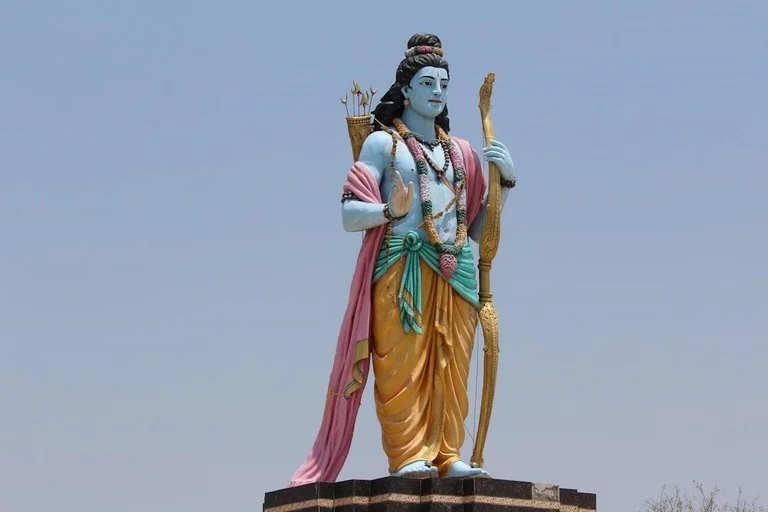
Imagine a tale so powerful, it’s been etched into the hearts of generations for millennia. That’s the story of Lord Rama, the legendary prince of Ayodhya whose life is celebrated on Ram Navami. Born to King Dasharatha and Queen Kaushalya, Rama’s advent marks a pivotal moment in Hindu history—the beginning of a saga that would shape moral codes and cultural values for centuries to come.
The Ramayana, an ancient Sanskrit epic, narrates Rama’s extraordinary journey. Exiled from his kingdom for 14 years, Rama faced trials that tested his courage, compassion, and unwavering commitment to dharma (righteousness). His battle against the demon king Ravana to rescue his abducted wife Sita is a metaphor for the eternal struggle between good and evil, a theme that resonates deeply with devotees.
But why is Ram Navami celebrated with such fervour? For believers, Rama is more than a historical figure—he’s the embodiment of divine virtues, an ideal to aspire to. Celebrating his birth is a way to honour the values he stood for—truth, duty, love, and sacrifice. It’s a reminder that even in the face of adversity, staying true to one’s principles can lead to victory.
So as you explore the meaning of Ram Navami, remember that you’re not just delving into a festival—you’re stepping into a living legend, one that continues to inspire and transform lives, just as it has for thousands of years.
Religious Importance of Ram Navami
Ram Navami carries a deep spiritual weight, inviting devotees to connect with the divine. As the seventh avatar of Lord Vishnu, Rama represents preservation—the force that upholds goodness and order. His birth signifies light triumphing over darkness and knowledge over ignorance. Falling on the ninth day of Chaitra’s bright half, often near the spring equinox, the festival aligns with a potent cosmic energy, making it a prime time for prayer and reflection.
For many, Ram Navami promises liberation. Chanting Rama’s name, especially the Rama Taraka Mantra, is believed to purify the mind and aid in transcending samsara (the cycle of rebirth) toward moksha (freedom). Beyond personal salvation, Rama’s life teaches collective duty—loyalty to family and society. Celebrating his birth renews this commitment, fostering unity and purpose. Ram Navami thus calls devotees to embody compassion and righteousness, awakening the divine within while strengthening communal bonds.
How Ram Navami Is Celebrated Across India
As the sun rises on Ram Navami, India awakens to a symphony of celebrations, each region adding its own unique melody to the festive chorus. From the holy city of Ayodhya in the north to the temple towns of the south, the country is united in its devotion to Lord Rama, yet diverse in its expressions of faith.
At the heart of the celebrations are the temples, which come alive with a flurry of activities. They become hubs of devotion, where idols of Rama are bathed, dressed, and adorned amid chants and incense. The Ramayana comes alive through recitals and Ram Leelas, with some communities hosting continuous readings lasting a day or more. Processions wind through streets, featuring chariots with Rama, Sita, and Lakshmana, accompanied by bhajans and drumbeats. In some areas, the Sita Rama Kalyanam—a symbolic wedding—caps the festivities.
Food weaves into the celebration: many fast, consuming only fruits or milk, while others offer panakam or kosambari as prasad, later shared in feasts that unite families. Amid the vibrancy, quiet moments of prayer allow devotees to reflect on Rama’s lessons. From north to south, these diverse expressions—grand yet intimate—highlight the festival’s power to connect people through faith and joy.
Plan your trip with our Ayodhya tour package
Major Temples for Ram Navami Celebrations
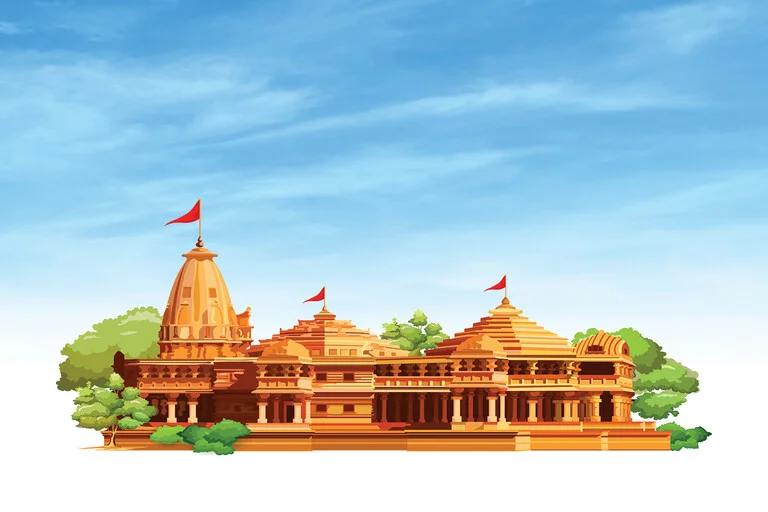
If you want to experience Ram Navami celebrations in all their grandeur, there’s no better place to be than at one of the major temples dedicated to Lord Rama. These sacred spaces are not just architectural marvels, but also vibrant hubs of religious and cultural activity, especially during this festival.
The Ram Janmabhoomi Temple in Ayodhya, marking Rama’s birthplace, draws throngs of pilgrims. During the festival, it hums with chants, processions, and rituals, its spires towering over a sea of devotees. In Nashik, the Kalaram Temple, with its black stone idol, hosts a lively chariot procession, blending reverence with celebration.
In Telangana, the Sri Rama Temple in Bhadrachalam, tied to Rama’s exile, shines with the Sita Rama Kalyanam, set against the Godavari River. The Ramanathaswamy Temple in Rameswaram, linked to Rama’s journey to Lanka, offers pujas and cultural events within its ancient corridors. Each temple provides a unique lens into Ram Navami, merging history, faith, and festivity into an unforgettable experience.
Regional Celebrations of Ram Navami
While the essence of Ram Navami remains the same across India, the festival takes on distinct flavors as it travels through the country’s diverse regions. Each state, each city, each village has its own unique way of celebrating the birth of Lord Rama, adding richness and color to the tapestry of this national festival.
In the north, the celebrations are marked by a fervent religiosity. In Ayodhya, believed to be Rama’s birthplace, the festival is a grand affair. The city comes alive with Ram Leelas (dramatic enactments of the Ramayana), devotional music performances, and massive processions where richly decorated idols of Rama and Sita are carried through the streets. The nearby city of Varanasi, too, is steeped in Ram Navami festivities, with the Tulsi Manas Temple at the center of the action.
Moving westward, Gujarat merges Ram Navami with Navaratri’s end, featuring vibrant processions, while Rajasthan adds folk dances like the Gair. In Bihar, Sitamarhi’s Sita Temple draws devotees for solemn rituals, reflecting eastern sobriety.
Southern celebrations dazzle differently: Kerala’s Vishu includes the Vishu Kani ritual, while Rameswaram’s temple hosts sacred dips. The Andaman Islands offer a rare underwater procession. These variations showcase India’s diversity, adapting a single festival to local traditions while preserving its spiritual core.
Traditional Rituals & Customs
At the heart of Ram Navami celebrations lie a series of traditional rituals and customs that have been passed down through generations. These practices are not just symbolic gestures, but profound expressions of devotion and spiritual connection. They form the very fabric of the festival, binding devotees together in a shared experience of faith and reverence.
One of the most significant rituals of Ram Navami is the Rama Abhishekam. This involves the ceremonial bathing of the idol of Lord Rama with sacred substances like milk, honey, ghee, and water. The ritual is believed to purify the deity and invite divine blessings. In many temples, the abhishekam is performed amidst the chanting of mantras and the ringing of bells, creating an atmosphere of intense spiritual energy.
Another key custom is the chanting of the Rama Taraka Mantra – “Sri Rama Jaya Rama Jaya Jaya Rama”. This simple yet powerful invocation of Rama’s name is believed to have a transformative effect on the mind and spirit. During Ram Navami, the mantra resonates through temples and homes, as devotees immerse themselves in the repetition of this sacred sound.
These practices, rich with meaning, connect devotees to the divine, reinforcing Rama’s call to righteousness and service. They are a living link to centuries of tradition, blending reverence with community spirit.
Conclusion
Ram Navami is more than a festival—it’s a celebration of faith, virtue, and the triumph of good. Through its rituals, stories, and joyous gatherings, it invites us to embody Rama’s ideals. Whether you join the chants in a temple or witness a procession’s splendor, the festival stirs the soul. For an immersive experience, consider SOTC’s tailored packages, ensuring a seamless journey into Ram Navami’s timeless traditions. As the festivities unfold, they remind us that Rama’s legacy endures, guiding us toward light and righteousness.