

Nashik’s Simhastha Kumbh Mela brings together sacred river rituals, ancient temples and a living tradition of pilgrimage. Next year, visitors can explore the Godavari ghats in Nashik, the revered Trimbakeshwar shrine and landscapes linked with Hindu mythology. However, the experience is not limited to the bathing areas alone. There are Buddhist cave temples, hills with trails, local cuisine and religious cities close by.
This guide highlights popular places to visit in Kumbh Mela and offers practical tips for navigating crowds, rituals and local access.
Where Is Kumbh Mela 2027 Being Held?

The 2027 Simhastha Kumbh Mela will centre on Nashik and Trimbakeshwar in Maharashtra. Nashik’s ceremonies focus on the Godavari and Ramkund, while Trimbakeshwar, about 28 kilometres away, is home to a revered Jyotirlinga shrine and Kushavarta Kund. Check where each ritual is scheduled before travelling.
The wider Simhastha period is listed from October 2026 to July 2028, with the main bathing dates in August and September 2027. The dates below come from an interim calendar described as not yet formally notified, so confirm the final schedule and access restrictions through official updates before booking around a ritual.
Top Places to Visit at Kumbh Mela 2027
The Kumbh Mela places to visit are easiest to group around Nashik’s riverfront and Trimbakeshwar. This comparison highlights the main focus of each stop.
Ramkund, The Main Bathing Ghat in Nashik

Ramkund is a major ritual site on the Godavari, linked by local tradition with Lord Rama. Families also visit the adjoining Asthivilaya Tirth for ancestral rites. During Kumbh, the ghat becomes a focus for sacred bathing and prayer. You should follow designated routes, as access may be controlled on major dates.
Trimbakeshwar Temple and Kushavarta Kund
Trimbakeshwar Temple, dedicated to Lord Shiva, is one of the twelve Jyotirlingas. Its dark stone architecture merits attention, though queues may lengthen during Kumbh. Nearby Kushavarta Kund is linked with the Godavari’s origin and local rituals. Wear modest clothing and allow time for entry.
Panchavati and Sita Gufa
Panchavati is linked with the Ramayana and Lord Rama’s exile. Its shrines, riverfront paths and lanes are best explored on foot when crowd controls permit. Sita Gufa, a small cave shrine linked by tradition with Sita, is a key stop. Queues may form at the entrance during peak hours.
Kalaram Temple
Kalaram Temple is known for its black stone image of Lord Rama and its prominent structure in Panchavati. It is linked with Dr B. R. Ambedkar’s 1930 temple-entry agitation. Combine it with Sita Gufa when local traffic restrictions permit.
Tapovan, a Spiritual Area Near Panchavati
Tapovan is linked with Ramayana traditions and the Godavari landscape. Pilgrims visit its shrines for prayer and reflection, and it may feature on local religious routes during Kumbh. Temporary barriers can change access, so follow posted directions.
Akharas, The Spiritual Camps of Sadhus
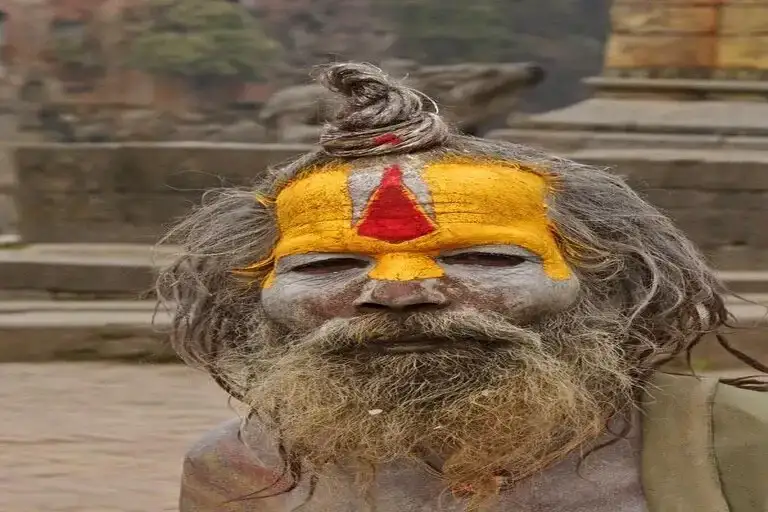
Akharas are religious orders whose camps gather sadhus during Kumbh. Their processions and ritual bathing are defining festival scenes. Access depends on local rules. Enter only public areas, ask before taking photographs and respect prayer spaces.
Sundarnarayan Temple
Dedicated to Lord Vishnu, Sundarnarayan Temple is a historic landmark in Nashik’s old city. Its carved stonework adds to the city’s temple heritage. Pair it with nearby shrines when road closures permit, without obstructing worshippers.
Tourist Places Near Kumbh Mela 2027
Travellers with extra time can add hills, caves, waterfalls and pilgrimage towns. These places to visit near Kumbh Mela offer a change of pace, though festival traffic may increase travel time.
Brahmagiri Hill, The Source of the Godavari
Brahmagiri Hill above Trimbakeshwar is linked with the Godavari’s origin. Its shrines and trails hold religious importance, but the ascent requires suitable footwear and reasonable fitness. Check local advice during monsoon rain.
Anjaneri Hill, A Sacred Site Associated With Hanuman
Anjaneri is traditionally identified as Lord Hanuman’s birthplace. Rocky trails, greenery and historic remains attract pilgrims and trekkers. Plan a separate visit and check monsoon trail conditions.
Pandavleni Caves
The Pandavleni, or Trirashmi, Caves are Buddhist rock-cut monuments outside Nashik. Viharas, prayer spaces, inscriptions and carvings reflect early Buddhist communities. Steps and uneven paths require suitable footwear. The caves appeal to visitors interested in history and architecture.
Someshwar Waterfall
Near Someshwar Temple and the route to Gangapur Dam, Someshwar Waterfall is especially scenic during the monsoon. Wet rocks and changing water levels can be hazardous, so view the falls from marked areas and never enter the fast-moving water. Check access conditions after heavy rain.
Saptashrungi Devi Temple
Near Vani, Saptashrungi Devi Temple is dedicated to the goddess and surrounded by seven peaks. The hill shrine draws regional pilgrims. Also, traffic or heavy rain can extend the journey. Check temple timings and queue arrangements before leaving.
Shirdi, A Popular Day Trip From Nashik
Shirdi, associated with Sai Baba, can be a day excursion from Nashik, traffic permitting. Consider Shirdi trip packages to plan your visit, and allow extra time for temple queues and travel. If possible, avoid major bathing days to minimise delays during your trip.
Kumbh Mela 2027 Experiences Apart From the Holy Dip

The festival also brings religious traditions, regional culture and local food into focus. These Kumbh Mela attractions should be approached respectfully, with attention to changing crowd-management plans.
Cultural Events and Religious Processions\

Religious singing and processions create a spiritual ambience at the Kumbh Mela. The akharas can organise marching processions on bathing days along with sadhus and other rituals.
Exploring Nashik’s Vineyards and Local Cuisine
Nashik is known for its vineyards, grapes and Maharashtrian delicacies, including misal pav, traditional thali meals, sabudana preparations and Nashik chivda. When planning your trip to Nashik, check vineyard access and transport options in advance. You can also explore wine tourism responsibly while balancing your itinerary with pilgrimage activities.
Important Bathing Dates for Kumbh Mela 2027
The interim calendar gives these Amrit Snan dates. The third is split between Nashik and Trimbakeshwar. You need to confirm the dates before booking.
First Amrit Snan, 2nd August 2027
The first Amrit Snan is listed for 2nd August 2027. Expect heavy crowds near bathing areas and arrange accommodation and transport early.
Second Amrit Snan, 31st August 2027
The second Amrit Snan is listed for 31st August 2027. Check ghat access instructions and possible diversions shortly before travel.
Third Amrit Snan, 11th and 12th September 2027
The interim calendar assigns 11th September 2027 to Nashik and 12th September to Trimbakeshwar. Choose the relevant centre and check official updates before departure.
How to Reach Nashik for Kumbh Mela
Nashik is connected by air, rail and road, though traffic plans affect onward travel.
- By air– Check flights to Ozar Airport or connections through larger airports.
- By train– Nashik Road is the main station; book early and arrange onward transport.
- By road– Buses and private vehicles connect Nashik with Mumbai, Pune and other cities, subject to traffic plans.
Where to Stay During Kumbh Mela
- Book a hotel close to your main bathing ghat or temple, but check for access restrictions before confirming your stay.
- When central rooms sell out, look at other parts of Nashik and allow extra time for transfers.
- Reserve early, and confirm the cancellation terms and transport arrangements with the property.
Essential Tips for Visiting Kumbh Mela 2027
- Plan your places to visit during Kumbh Mela around bathing times and any access notices.
- Keep identification, essential medicines, drinking water and a charged phone with you.
- Choose appropriate clothes, as well as sturdy footwear, because there are very long lines and the ground can be rough.
- Select your meeting point in advance, and protect your valuable belongings.
Why Book a Kumbh Mela Trip With SOTC?
Access and crowd levels change from day to day, so planning a Kumbh Mela trip requires careful coordination. SOTC can help you plan visits to pilgrimage sites and Kumbh Mela tourist places around your transport, accommodation and realistic timings.
Their customised itineraries consider ritual priorities along with the heritage of Nashik. You can easily combine temples, historic places and more relaxed activities.
FAQs
1. What are the best places to visit at Kumbh Mela?
Start with Ramkund, where most pilgrims take their dip in the Godavari. From there, you can walk to Panchavati and Kalaram Temple, then head over to Sita Gufa. Trimbakeshwar and Kushavarta Kund are a short ride away. If akhara camps or processions are open to the public, they’re worth watching for the cultural flavour.
2. What are the best tourist places near Kumbh Mela?
Nearby, you’ve got Brahmagiri and Anjaneri hills for some easy trekking, plus the Pandavleni Caves and Someshwar Waterfall. Saptashrungi Devi Temple and Shirdi take more time to reach, so check road and traffic conditions before you set off.
3. Is Trimbakeshwar Temple worth visiting during Kumbh Mela?
Definitely, Trimbakeshwar is one of the twelve Jyotirlingas and lies near where the Godavari begins, so it carries real weight during the Mela. Just expect long queues and listen to the staff about entry rules.
4. Which temples can I visit during Kumbh Mela?
Trimbakeshwar, Kalaram, Sundarnarayan and Saptashrungi Devi are the main ones. What you can actually visit will depend on how easily you can get there and the temple timings that day.
5. What can I experience at Kumbh Mela besides the holy dip?
There’s plenty beyond the dip. You can sit in on discourses, watch processions, and learn about akhara traditions. Between all that, try the local food and see a few heritage spots. Do follow photography rules and crowd instructions.