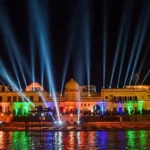
Varanasi’s Ganga Aarti is one of India’s most powerful travel experiences, where lamps, chants, conch sounds, and the flowing Ganges come together at sunset. Plan well, arrive early, and let the evening unfold by the river. As twilight settles on the ghats, the air turns fragrant with incense, and even the busiest traveller slows down, watching faith, music, and river life blend into one unforgettable memory.
For travellers comparing Varanasi tour packages, this blog covers the best ghats, respectful tips, and the deeper meaning behind the ceremony.
What Is Ganga Aarti?
Ganga Aarti is a daily river worship ceremony where priests offer light, incense, flowers, chants, and prayers to Maa Ganga. The ritual is performed with devotion and precision, turning the riverfront into a deeply moving spiritual and cultural experience.
Meaning & Spiritual Importance
The word aarti refers to an offering of light. During the Ganga Aarti in Varanasi, the flame is moved before the river as a mark of respect, gratitude, and surrender. It is not only a visual ceremony; it is a moment where faith, sound, fragrance, and silence meet.
Historical Background
The ritual draws on India’s long tradition of river worship, in which water is seen as life-giving and spiritually cleansing. Varanasi, also known as Kashi and Banaras, has carried this relationship with the Ganges for centuries through pilgrimage, temple worship, and daily rituals.
Best Ghats to Witness Ganga Aarti in Varanasi
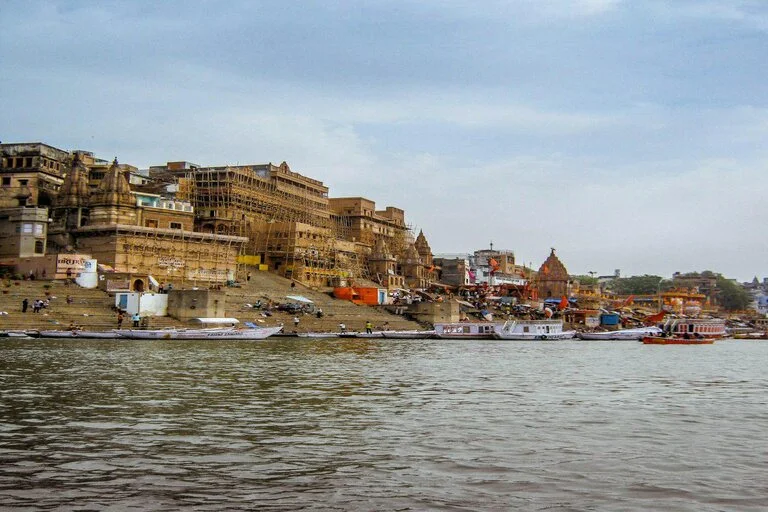
The best ghat depends on the experience you want. Some visitors prefer the grand scale of Dashashwamedh, while others look for quieter devotion at Assi or a wider riverfront view at Namo Ghat. Among the famous ghats of Varanasi, each offers a distinct atmosphere and perspective on the city’s spiritual heritage. Whether you seek vibrant ceremonies, peaceful reflection, or scenic river views, every ghat reveals a different side of Banaras.
Dashashwamedh Ghat
Dashashwamedh Ghat is the most famous place to witness Ganga Aarti in Varanasi. It offers the classic view most travellers imagine, with priests standing on raised platforms, large lamps glowing in the dark, and crowds gathered on the steps and in the boats. UP Tourism lists the grand aarti here daily from 6 p.m. to 7 p.m., adjusted around summer, winter, and sunset conditions.
- It is the main and most vibrant evening aarti location.
- The current Ganga Aarti time in Banaras here is usually around 6 p.m. to 7 p.m.
- It is close to major temple lanes and old city walks.
- It suits travellers booking Varanasi tour packages focused on culture, devotion, and heritage.
Assi Ghat
Assi Ghat is calmer and more reflective, especially for morning visitors. The well-known Subah-e-Banaras experience takes place before sunrise and blends Vedic chants, aarti, music, yoga, and a soft view of the river waking up with the city.
- It is ideal for travellers who prefer a peaceful start.
- The morning aarti happens before sunrise, so timing should be checked locally.
- The area has a relaxed atmosphere compared with the evening rush.
- It pairs well with a sunrise boat ride and a slow walk along the ghats.
Manikarnika Ghat
Manikarnika Ghat is not a regular viewing point for the grand evening aarti. It is one of Varanasi’s most sacred cremation ghats and is linked with the Hindu understanding of liberation, mortality, and the cycle of existence.
- Keep a respectful distance from rituals.
- Avoid intrusive photography or filming.
- Do not treat the ghat as a tourist spectacle.
- Visit with a knowledgeable local guide to understand its spiritual meaning.
Namo Ghat
Namo Ghat offers visitors a more open, recently developed riverfront experience. It is easier to move around than the tightly packed older ghats, making it suitable for travellers who want cleaner access, broader views, and a less intense crowd experience. A grand Ganga Aarti has also been introduced at Namo Ghat, adding another organised viewing option in the city.
- It offers a spacious riverfront view.
- It is suitable for families and elderly travellers.
- It gives a modern contrast to the older lanes of Banaras.
- It can be added to Uttar Pradesh tour packages covering Varanasi and nearby spiritual places.
Essential Travel Tips for First-Time Visitors
Aarti is easy to attend, but a little planning makes the experience better. Check the same-day timing, account for traffic near the old city, dress respectfully, and decide whether you want to watch from the steps, a balcony, or a boat.
Best Viewing Spots
The steps at Dashashwamedh Ghat give the most direct view, while boats offer a wider river-facing angle. Balcony seating, when available through authorised arrangements, can suit visitors who prefer more comfort.
- Front steps for the closest view of lamps and priests.
- Side steps for easier entry and exit.
- Boats for photos, reflections, and the full scale of the crowd.
- Assi Ghat for a gentler morning experience before sunrise.
What to Wear
Clothing should be comfortable, modest, and suitable for sitting on stone steps or moving through narrow lanes. Varanasi is a sacred city, and dressing with respect also makes temple visits easier before or after the ceremony.
- Choose breathable cottons in warm months.
- Carry a shawl or light layer in cooler months.
- Wear footwear that is easy to remove near sacred areas.
- Avoid overly flashy outfits that feel out of place in devotional spaces.
Safety Tips
Crowds around the aarti can become dense, especially near Dashashwamedh Ghat. First-time visitors should keep plans simple, stay alert, and avoid last-minute rushing through narrow lanes.
- Reach early rather than pushing through late crowds.
- Keep wallets, phones, and documents secure.
- Use recognised boats and agree on terms before boarding.
- Stay with your group after the ceremony, as exits can get crowded.
- Follow local police, ghat volunteers, and boatmen’s instructions.
Photography Tips
The aarti is beautiful to photograph, but respect should come before the perfect frame. Low light, moving flames, and crowds make photography challenging, so patience works better than constant clicking.
- Avoid flash near priests and devotees.
- Keep your phone or camera steady as the lamp moves.
- Capture wider scenes from boats or side steps.
- Do not photograph cremation rituals at Manikarnika Ghat.
- Spend part of the ceremony without a screen so you can absorb the moment.
Spiritual & Cultural Insights
The Ganga Aarti at Banaras is powerful because it feels both personal and collective. One person may come for devotion, another for culture, and another for photography, yet everyone stands under the same sound of bells and the same glow of lamps.
Why Varanasi Is Called the Spiritual Capital of India
Varanasi is called India’s spiritual capital because faith flows through everyday life, from Shiva temples and sacred ghats to Ganga rituals, prayers, music, and learning. Pilgrims visit Kashi for worship, ancestral offerings, and the city’s enduring sense of sacred devotion.
Connection between Life, Death & the Ganges
Varanasi’s Ganges holds a celebration and a farewell. Along its banks, devotees pray, bathe for purification, honour ancestors, and witness cremation at Manikarnika Ghat. The evening aarti returns the spirit to light, gratitude, and continuity, reminding visitors that life and death coexist.
How Even Non-religious Travellers Feel Moved
Even if you are not religious, the Ganga Aarti in Varanasi can quietly move you. The bells, flames, river breeze, and shared silence create a rare pause, offering beauty, culture, sincerity, and reflection in one deeply human moment of stillness.
Conclusion
Ganga Aarti in Varanasi is not just an activity to add to an itinerary. It is one of the rare travel experiences where place, faith, sound, and emotion come together naturally. Choose your ghat carefully, confirm the timing before you go, and arrive with patience. Whether you are travelling through Varanasi tour packages focused on the spiritual heart of the city or exploring wider Uttar Pradesh itineraries, keep space for this evening by the Ganges. Banaras rewards travellers who do not rush it.
FAQs
1. What is the best time to attend Ganga Aarti in Varanasi?
The evening Ganga Aarti at Dashashwamedh Ghat usually takes place from 6 p.m. to 7 p.m., but the timing may change with the season and sunset. It is best to confirm locally on the day of your visit.
2. Which ghat is best for watching Ganga Aarti?
Dashashwamedh Ghat is the most popular choice because it offers the grandest view of the ceremony. If you prefer a calmer experience, Assi Ghat is a good option, especially for the morning aarti.
3. How early should I reach for Ganga Aarti?
Try to arrive at least 45 minutes to 1 hour early. The ghats get crowded quickly, especially on weekends, during festivals, and during peak travel months.
4. Can non-religious travellers enjoy Ganga Aarti?
Yes, even if you are not religious, the lamps, chants, bells, river breeze, and shared silence can feel deeply moving. It is as much a cultural experience as a spiritual one.
5. Is it better to watch Ganga Aarti from a boat or the steps?
Both offer different views. The steps bring you closer to the priests and rituals, while a boat gives you a wider view of the glowing riverfront.
6. What should I wear while attending Ganga Aarti?
Wear modest, comfortable clothes. Cotton outfits work well in warm weather, while a shawl or light layer is useful in cooler months.