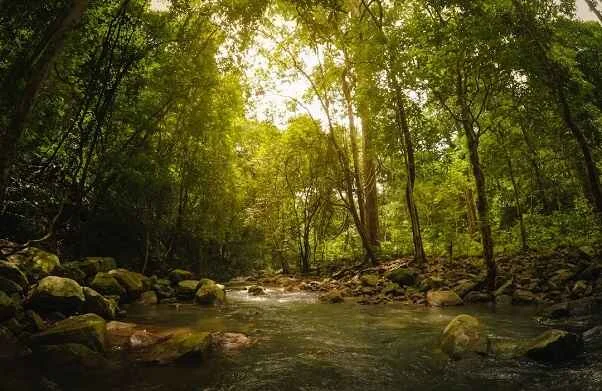
Some of the top national parks in India for wildlife and nature adventures include Jim Corbett, Kaziranga, Ranthambore, Kanha, Bandhavgarh, Gir, Bandipur, Periyar, Sundarbans and Hemis. Together, they take travellers through riverine forests, grasslands, mangroves, dry woodland, mountain valleys and high-altitude wilderness.
A wildlife holiday is about more than spotting one animal. The landscape, season, pace of the safari and time spent observing birds, forests and local ecosystems can shape the experience. This guide brings together ten major national parks in India for travellers interested in nature, wildlife photography, birdwatching and outdoor exploration.
1. Jim Corbett National Park, Uttarakhand
Jim Corbett National Park is a natural starting point for travellers interested in forest safaris in northern India. Its landscape combines woodland, grassland, river stretches and foothill scenery, creating varied habitats for elephants, deer, birds and large predators.
The park can also fit into a wider Uttarakhand holiday. Travellers building a longer itinerary may browse Uttarakhand tour packages before deciding how much time to keep for the forest. Wildlife sightings are never certain, so the surroundings, changing light and sounds of the forest are worth enjoying.
2. Kaziranga National Park, Assam
Kaziranga brings a very different landscape to the journey. Its grasslands, wetlands and river-influenced terrain create an open setting that closely connects wildlife viewing to the changing character of the land.
The park is especially associated with the greater one-horned rhinoceros, while elephants, deer, wild buffalo and varied birdlife also form part of its ecosystem. Travellers planning an Assam nature holiday can explore Assam trip packages and build time around Kaziranga without making the schedule too crowded. Among the national parks in India, it offers a setting shaped by the Brahmaputra region.
3. Ranthambore National Park, Rajasthan
Ranthambore combines wildlife, dry forest and a strong sense of history. Lakes, rocky ridges, woodland and old structures appear within the wider landscape, giving a safari here a character that is different from that of greener forest reserves.
Tigers are a major reason travellers know Ranthambore, but a visit can also involve watching deer, monkeys, birds and other forest life. Anyone planning a trip to Rajasthan can consider adding a wildlife break to a wider cultural itinerary. It suits travellers who want nature and heritage to form part of the same journey rather than treating them as separate experiences.
4. Kanha National Park, Madhya Pradesh
Kanha is known for broad meadows, sal and bamboo forests, streams and gently changing terrain. These features make the journey through the reserve as engaging as the anticipation of seeing wildlife.
Barasingha, deer, gaur, birds and predators are part of the natural environment, though every safari unfolds differently. The open meadows can be rewarding for travellers who enjoy observing animal behaviour rather than rushing from one sighting to the next.
When comparing the top 10 national parks in India, Kanha deserves attention for the variety within its forest setting. Madhya Pradesh holiday packages can also help travellers connect the park with other destinations in the state.
5. Bandhavgarh National Park, Madhya Pradesh
Bandhavgarh offers dense forest, open meadows, rocky areas and traces of the region’s long history. Its mix of wildlife habitat and historic features gives the park a character with several layers to explore.
The reserve is strongly associated with tiger tourism, but visitors may also encounter deer, gaur, monkeys, birds and other wildlife depending on the route and conditions. Bandhavgarh suits travellers who prefer a forest trip where the scenery changes throughout the safari.
For anyone compiling a list of 10 national parks in India, visiting both Kanha and Bandhavgarh can also show how different two wildlife areas within the same state can feel.
6. Gir National Park, Gujarat
Gir is closely associated with the Asiatic lion, but its appeal extends to the dry forest and scrub landscape that supports a wider range of wildlife. The terrain has an earthy, open character, with woodland, grass and rocky ground shaping the safari experience.
Leopards, deer, antelope, reptiles and birdlife also form part of the wider ecosystem. Pay attention to calls, tracks, vegetation and small movements around the forest. Gir stands apart from many other major national parks in India because its experience is shaped by a drier western landscape, making it an interesting contrast to the greener reserves of central and southern India.
7. Bandipur National Park, Karnataka
Bandipur introduces travellers to the forested landscapes of southern India. Dry and moist deciduous forests, open patches and hilly surroundings create a varied environment for elephants, deer, gaur, predators and many bird species. It also identifies Bandipur among the state’s prominent wildlife areas.
The park can fit naturally into a longer Karnataka journey, especially for travellers who want to balance wildlife with hill scenery, heritage or relaxed road travel. Those considering Karnataka travel packages can plan the wildlife portion around the pace of the wider holiday.
When planning around a national park and sanctuaries in India, it helps to consider how vegetation, climate and terrain influence the experience, rather than focusing only on headline species.
8. Periyar National Park, Kerala
Periyar offers a greener, water-linked wildlife experience in the Western Ghats. Forested hills, a large waterbody and rich plant life give the area a calm atmosphere that can appeal to visitors who enjoy birdwatching and slower nature activities.
Depending on conditions, visitors may spot elephants, deer, gaur, monkeys and diverse birdlife across the wider reserve landscape. Periyar suits travellers who want their trip to feel broader than a conventional vehicle safari.
Walking-based nature experiences and time near the water can add variety while encouraging visitors to notice trees, sounds, tracks and smaller species that are easy to overlook during a faster wildlife outing.
9. Sundarbans National Park, West Bengal
The Sundarbans offers one of the country’s most distinctive wilderness settings. Mangrove forests, tidal channels, muddy banks and waterways define the landscape, so exploring the area feels very different from travelling through an inland forest.
The Royal Bengal tiger is closely associated with the Sundarbans, but the region is equally remarkable for its birds, reptiles, aquatic life and mangrove ecosystem. The park is also recognised as a UNESCO World Heritage site. Much of the experience involves observing the forest from the water and understanding how wildlife adapts to a tidal environment.
Travellers exploring different national parks in India may find the Sundarbans memorable because the landscape itself remains central even when larger animals stay out of sight.
10. Hemis National Park, Ladakh
Hemis changes the idea of what a national park can look like. Instead of thick forest, travellers encounter high mountains, rocky valleys, open slopes and the stark beauty of a cold desert environment.
The park is associated with the snow leopard and other high-altitude wildlife, including blue sheep and mountain species adapted to demanding conditions. Hemis is widely recognised as the biggest national park in India by area.
Travellers searching for India’s largest national park are therefore often led towards this Ladakh wilderness. A visit requires a different mindset from a conventional safari, with altitude, weather, walking conditions and patience playing an important role in the overall experience.
How to Choose a National Park for Your Trip
The right park depends on the kind of nature experience you want, not simply on which destination is most famous. Think about the landscape, preferred activities, season and amount of travel involved before finalising the route.
Keep these factors in mind:
- Choose forest reserves when vehicle safaris are your main interest.
- Consider wetland and mangrove parks for birdlife and water-based landscapes.
- Look towards Himalayan parks if trekking and high-altitude wilderness appeal to you.
- Check official opening information and safari rules before making travel arrangements.
- Leave enough time between destinations rather than covering several parks quickly.
- Treat every wildlife sighting as a possibility rather than an expectation.
Responsible Wildlife Travel Matters
Visiting wild spaces comes with a responsibility to minimise disturbance. Park rules protect habitats and visitors, so following the instructions of forest staff and authorised guides should be part of every trip.
Keep voices low, avoid feeding animals, stay within permitted areas and do not leave waste behind. Flash photography, sudden movement and pressure on guides to chase wildlife can affect the experience for animals and other visitors. A better wildlife holiday is often one where observation takes priority over collecting sightings.
Final Thoughts
The best wildlife trip is the one that matches your interest in landscapes as much as animals. Jim Corbett, Kaziranga, Ranthambore, Kanha, Bandhavgarh, Gir, Bandipur, Periyar, Sundarbans and Hemis each offer a different way to experience India’s natural diversity.
Rather than treating these parks as a strict ranking, use the list as a starting point. Choose the environment that interests you, plan around official access conditions, travel at an unhurried pace and leave room for the unexpected. In the wild, quiet moments can be just as memorable as the sightings that travellers initially set out to find.