Japan’s monsoon season brings a softer, greener side of the country that many Indian travellers often miss while planning only around cherry blossoms or autumn colours. Tsuyu turns temples, gardens, food streets and city lights into a more atmospheric travel experience. With the right route, packing, and visa planning, the monsoon in Japan can be rewarding, comfortable, and surprisingly scenic for a well-planned holiday in 2026.
This blog covers Tsuyu weather, destination choices, seasonal experiences, visa planning and smart travel tips for Indian travellers visiting Japan.
Understanding Japan’s Monsoon (Tsuyu)
The rainy season in Japan is locally known as Tsuyu or Baiu. It is not the same everywhere, so Indian travellers should plan by region, not just by month. This is also why comparing Japan tour packages can be useful, as a well-planned route can balance rainy cities with drier or cooler regions.
What Is Tsuyu?
Tsuyu is Japan’s early summer rainy period, caused by seasonal weather fronts that bring cloudy skies, regular showers and humid days. It is also linked with lush gardens, hydrangeas, misty temples and quieter sightseeing.
- Tsuyu means “plum rain” in Japanese.
- It usually affects most regions except Hokkaido.
- It is different from India’s intense monsoon pattern.
- Rain often comes in spells rather than every hour of the day.
When Does Tsuyu Start and End?
The rainy season in Japan moves from south to north. Okinawa usually sees it earlier, while Tokyo, Kyoto and Osaka experience it later. Hokkaido is generally less affected, making it useful for travellers who prefer lighter rain.
- Okinawa can see Tsuyu from around May.
- Tokyo and Kyoto usually see it from early June to around mid-July.
- Northern areas may remain rainy later into July.
- Always check local forecasts before confirming daily tours.
How Heavy Is the Rain?
The rains in Japan during Tsuyu can be steady, sudden or light, depending on the region. It is rarely like heavy Indian city monsoon traffic chaos, but wet shoes, cloudy skies and humidity can affect comfort.
- Some days may have long drizzle.
- Some days may stay dry with short showers.
- Mountain and coastal areas can feel wetter.
- Flexible sightseeing plans work better than fixed outdoor-heavy schedules.
Weather in Japan during Monsoon 2026
Japan’s monsoon weather in 2026 is expected to follow the usual seasonal pattern, with warm days, damp air and frequent rain across central and southern regions.
Average Temperatures
During Tsuyu, temperatures are usually mild to warm before peak summer heat arrives. Tokyo, Osaka and Kyoto can feel humid, while Hokkaido remains cooler and more comfortable for many Indian travellers.
Rainfall & Humidity
Rainfall and humidity are the main factors to prepare for. Even when it is not raining, the air can feel damp. This may feel familiar to travellers from Mumbai, Kolkata, Kochi or Chennai, but Japan’s neat public transport makes moving around easier.
What Indian Travellers Should Expect
Indian travellers should expect a clean, organised and travel-friendly rainy season, but not a completely dry sightseeing experience. The Japan monsoon is easier to enjoy when the itinerary mixes outdoor icons with indoor cultural stops.
Best Places to Visit in Japan during Monsoon
The best destinations during Tsuyu are those that offer a mix of city life, food, culture, gardens and indoor attractions. A balanced itinerary keeps the holiday enjoyable even when showers arrive.
Tokyo
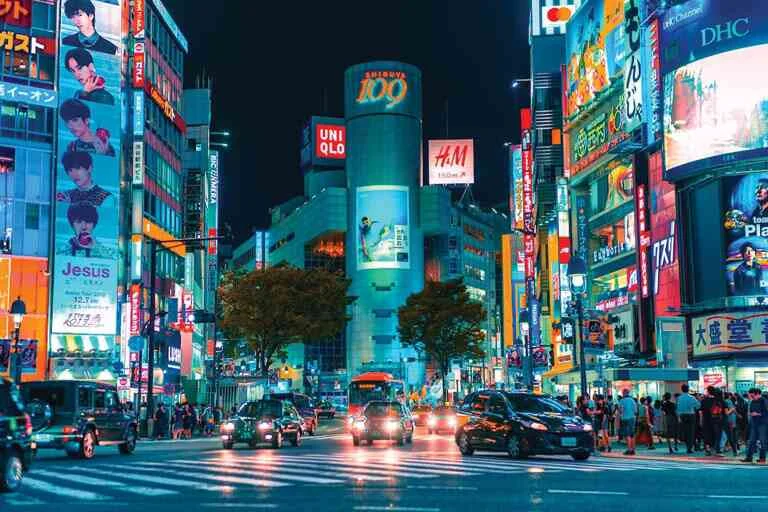
Tokyo works well during Tsuyu because it has excellent transport, covered shopping areas, museums, observatories, cafés and neighbourhood walks. Rain also gives places like Shinjuku, Asakusa and Ginza a cinematic charm, making Tokyo tour packages a convenient choice for travellers who want both flexibility and comfort.
- Explore team-based museums, galleries and aquariums.
- Visit Asakusa during lighter rain for atmospheric photos.
- Keep Shibuya, Ginza and Ueno for rainy-day plans.
- Look at Tokyo tour packages that allow enough free time.
Okinawa
Okinawa sees its rainy period earlier than central Japan, so timing matters. By late June, the weather can shift towards sunnier beach days, though tropical showers and humidity may still appear.
- Plan beach days with weather flexibility.
- Check marine activity updates before booking.
- Keep aquariums and cultural villages as backup plans.
- Carry sun protection along with rain gear.
Osaka
Osaka is a strong monsoon destination for food lovers and families. Dotonbori, Namba, indoor shopping streets and amusement zones make it easy to enjoy the city even when the weather changes quickly. Travellers exploring Osaka tour packages can also find useful options that combine food experiences, city sightseeing and nearby day trips.
- Try street food when the rain slows down.
- Spend wet afternoons in malls, arcades and food halls.
- Use Osaka as a base for day trips to Kyoto or Nara.
- Compare Osaka tour packages for family-friendly inclusions.
Hokkaido
Hokkaido is a smart option for Indian travellers who want to avoid Japan’s main rainy season. It has cooler weather, wide landscapes, flower fields, and scenic drives that feel different from those in Japan’s central cities.
- Consider Sapporo, Furano and Biei for nature-focused travel.
- Carry a light jacket for cooler evenings.
- Check local transport timings before visiting rural areas.
- Keep this region for a calmer, less humid holiday.
Kyoto
Kyoto becomes beautifully green during the rainy season, making it a lovely choice for travellers exploring Kyoto tour packages during Tsuyu. Temples, bamboo paths, moss gardens and stone walkways look more peaceful in soft rain, though travellers should start early to avoid crowds and slippery paths.
- Visit temple gardens during drizzle, not heavy rain.
- Carry comfortable walking shoes with a good grip.
- Keep indoor tea experiences as backup plans.
- Choose Kyoto tour packages with guided cultural experiences.
Hidden Gems & Seasonal Experiences
Tsuyu is not only about umbrellas and wet roads. It is also one of Japan’s most photogenic seasons, especially for travellers who enjoy gardens, food and slower cultural experiences.
Hydrangea Festivals (Ajisai)
Hydrangeas, known as Ajisai, are among the most beloved flowers of the rainy season. They bloom beautifully in temple gardens, parks and hillside paths, adding colour to cloudy days.
- Visit Kamakura for temple-side hydrangea views.
- Look for local Ajisai festivals near Tokyo and Kyoto.
- Go early in the day for calmer photo spots.
- Avoid stepping into flower beds for photographs.
Rainy-Day Japanese Experiences
Rainy days are ideal for cultural experiences that many travellers skip during packed sightseeing. These activities also suit couples, senior travellers and families who want a slower pace.
- Try a tea ceremony or calligraphy session.
- Visit museums, aquariums and covered markets.
- Book a food walk with indoor stops.
- Spend time in department-store food halls.
Seasonal Foods to Try
Tsuyu and early summer bring refreshing food choices. Indian travellers who prefer familiar flavours can still enjoy Japan’s simple, clean and balanced seasonal meals.
- Try cold soba or udon on humid days.
- Enjoy matcha desserts in Kyoto.
- Taste seasonal seafood in Osaka and Tokyo.
- Keep vegetarian meal requests ready in Japanese text.
Japan Visa Tips for Indian Travellers
Visa planning matters as much as weather planning, especially during busy travel months. Indian travellers should check current instructions through official visa channels before booking non-refundable services.
Tourist Visa Basics
Indian passport holders generally need a visa to visit Japan for tourism. Applications are handled through authorised visa channels, and the documents must match the purpose, stay duration and travel plan.
- Keep passport, photos, forms and itinerary ready.
- Include hotel bookings and day-wise travel plans.
- Carry financial documents as requested in the checklist.
- Do not rely on unverified agents or payment requests.
Best Time to Apply
Applications can usually be planned well before the travel date, which is useful for summer holidays. Since appointment rules may vary by city, start early and avoid last-minute visa stress.
- Begin document preparation after fixing your route.
- Check appointment needs for your nearest visa centre.
- Keep extra time for corrections or missing documents.
- Avoid booking tight departures immediately after submission.
Budget Expectations
A Japan holiday budget during Tsuyu depends on flights, hotels, city choices, rail travel, food preferences and guided tours. Rainy-season travel may offer good value in some areas, but premium hotels and flights can still rise during school holiday periods.
- Budget separately for visa charges and service fees.
- Add local transport, baggage storage and day tours.
- Keep extra money for taxis during heavy rain.
- Compare package inclusions before choosing the lowest price.
Conclusion
Japan in Tsuyu 2026 can be a memorable choice for Indian travellers who want culture, food, gardens and city life without being part of the usual peak season crowd. The key is to respect the weather, pack smart, choose destinations carefully and keep backup plans ready. From Tokyo’s rainy neon streets to Kyoto’s green temples, Osaka’s food lanes, Hokkaido’s cooler escape and Okinawa’s tropical mood, the season offers a gentler, more atmospheric Japan. For travellers considering Japan tour packages, the rainy season can be a rewarding time to experience the country with fewer crowds and lush seasonal scenery.
Frequently Asked Questions
1. Is Japan good to visit during the monsoon Season?
Yes, Japan can be a beautiful place to visit during Tsuyu if you plan well. The crowds are lighter in some areas, gardens look fresh, and cities remain easy to explore.
2. When is the rainy Season in Japan?
The rainy season in Japan usually begins around May in Okinawa and reaches Tokyo, Kyoto and Osaka in June. It often continues until mid-July, depending on the region.
3. Does it rain all day in Japan during tsuyu?
Not always. Some days have steady rain, while others bring short showers with breaks in between. Flexible plans make sightseeing much easier.
4. What should Indian travellers pack for the Japanese monsoon?
Carry a compact umbrella, light rain jacket, quick-dry clothes, comfortable shoes, waterproof pouches and basic medicines. Avoid heavy luggage, as walking to the station can feel tiring in the rain.
5. Which places are best to visit during the monsoon in Japan?
Tokyo, Kyoto, Osaka, Hokkaido and Okinawa are good choices. Each offers indoor attractions, food experiences, scenic views or lighter rain depending on timing.
6. Is the Japan monsoon Season budget-friendly?
It can be, but costs depend on flights, hotels, city choices and tours. Booking early and comparing packages can improve value.