
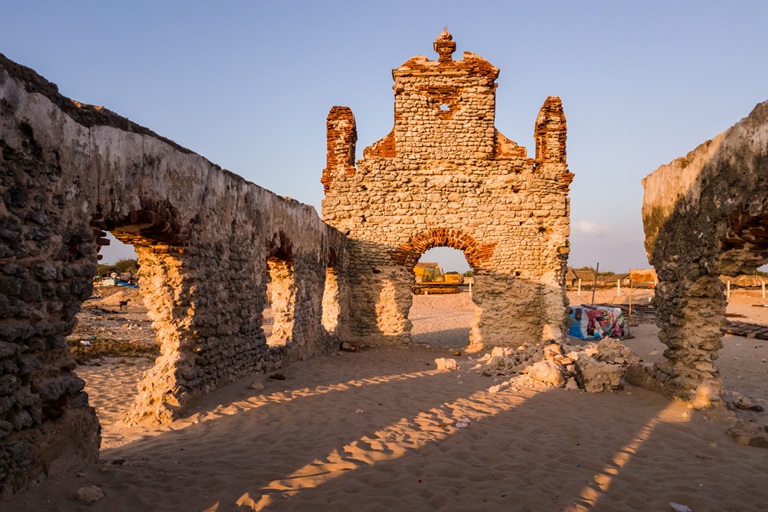
Dhanushkodi ghost town is one of those places in Tamil Nadu that makes travellers pause the moment they arrive. Empty ruins, quiet roads, strong sea winds and the story of the 1964 cyclone give this abandoned coastal town a very different feel from regular tourist spots.
Located near Rameswaram, Dhanushkodi is ideal for travellers who want history, sea views, spiritual links and a short but memorable coastal trip.
What Is Dhanushkodi Ghost Town?
Dhanushkodi ghost town is an abandoned coastal settlement near Rameswaram in Tamil Nadu. It is located at the southeastern tip of Pamban Island, between the Gulf of Mannar and the Bay of Bengal. Travellers visit it for quiet beaches, ruined structures, sea views and its Ramayana link with Rama Setu.
Key things to know:
- It is close to Rameswaram.
- It is known for ruins and beaches.
- It is popular for photography.
- It is usually covered as a short coastal trip.
Dhanushkodi is not a regular beach destination. It is a historic coastal place where nature, faith and silence create a very different travel experience.
History of Dhanushkodi and the 1964 Cyclone
Dhanushkodi was once a small coastal town with homes, shops, a railway station, a church and regular movement of pilgrims and traders. In December 1964, a severe cyclone damaged the town and changed it completely. After the disaster, the area was considered unsafe for regular living.
Important historical points:
- Dhanushkodi was once connected by rail.
- The cyclone damaged major structures.
- The town was later left uninhabited.
- Old ruins still show their lost past.
- This history makes it known as India’s mysterious abandoned city.
Today, the remaining structures give visitors a clear view of Dhanushkodi’s past and why the place still feels mysterious.
How to Reach Dhanushkodi
Rameswaram is the main base for Dhanushkodi. Travellers usually reach Rameswaram first, then continue by local taxi, bus or private vehicle.
By air, Madurai is a commonly used airport for travellers coming from far cities. From Madurai, continue by road to Rameswaram. By train, Rameswaram railway station is the nearest useful rail point. By road, buses and cabs connect Rameswaram with Dhanushkodi.
For a wider state plan, travellers can explore Tamil Nadu tour packages covering temples, beaches and cultural stops.
Best Time to Visit Dhanushkodi
The best time for a Dhanushkodi trip is from November to February, when the weather is cooler for sightseeing and road travel. Early morning or late afternoon visits are better because the area has limited shade.
Summer can feel hot, especially around the ruins and beach road. Monsoon months may bring strong winds, rain and rough sea conditions. Since Dhanushkodi is a coastal area, check the local weather before travelling.
Best Dhanushkodi Places to Visit
Dhanushkodi is easy to explore, yet each stop gives you something different to remember. The best way to explore it is slowly, with enough time for history, photography, sea views and nearby spiritual places.
Dhanushkodi Beach
Dhanushkodi Beach is among the most visited Dhanushkodi tourist places. It is known for open views, strong breeze and blue waters. Swimming is not advised because currents can be unsafe. Visit for walking, photos and peaceful coastal views.
Arichal Munai
Arichal Munai is the land end point near Dhanushkodi. The road towards it is one of the most memorable parts of the journey. Sea views appear on both sides in certain stretches, making it a favourite photography stop.
Old Church Ruins
The old church ruins show the abandoned side of Dhanushkodi. These remains are closely linked with the town’s past before the 1964 cyclone. The broken walls and open surroundings make it one of the most significant places to visit in Dhanushkodi for history lovers.
Railway Station Ruins
The railway station ruins remind visitors that Dhanushkodi was once connected by rail and used by travellers, pilgrims and traders. Today, the remains give a clear idea of how the town changed after the cyclone. It is a good stop for those who want to understand the lost town beyond its beach views.
Kothandaramaswamy Temple
Kothandaramaswamy Temple is linked with the Ramayana tradition and is often visited with Rameswaram. As one of the noteworthy places to visit in Tamil Nadu, it adds a devotional layer to the journey and suits travellers exploring the state’s rich spiritual and cultural heritage. The temple is especially popular on temple-focused Tamil Nadu routes, offering both religious significance and scenic coastal surroundings.
Pamban Bridge
Pamban Bridge is usually seen while travelling towards Rameswaram and Dhanushkodi. The sea views from this route make the journey more scenic. It is a popular stop for travellers who want photographs and a memorable entry into the Rameswaram region.
Suggested Dhanushkodi Trip Plan
A Dhanushkodi visit works well as part of a Rameswaram itinerary.
Suggested route:
- Start early from Rameswaram.
- Visit the Pamban Bridge viewpoints.
- Stop at Kothandaramaswamy Temple.
- Explore the Dhanushkodi ruins.
- Continue to Dhanushkodi Beach.
- Spend time at Arichal Munai.
- Return to Rameswaram before evening.
This route also fits well into Tamil Nadu tourism plans that combine coastal views, temple visits and short heritage stops around Rameswaram.
Travel Tips For Visiting Dhanushkodi
Dhanushkodi is beautiful, but it needs careful planning because the area is open, windy and less commercial than busy tourist towns.
Keep these tips in mind:
- Carry water, sunglasses, a cap and cotton clothes.
- Avoid rough weather or heavy rain.
- Do not enter the sea without local guidance.
- Avoid climbing weak ruins.
- Start early to avoid the afternoon heat.
- Keep cash for small local needs.
- Carry identity proof for hotel stays.
- Avoid plastic waste and keep the beach clean.
Families with children or senior travellers should plan shorter stops. The area is open, so long walks may feel tiring in the sun.
Conclusion
Dhanushkodi is more than an abandoned town. It brings together Tamil Nadu’s coast, history, faith and silence in one unforgettable place. From old ruins to Arichal Munai and nearby Rameswaram, every stop adds meaning to the journey. Visit during good weather, follow local safety advice and give yourself enough time to understand the story behind this mysterious coastal destination.
FAQs
1. What is Dhanushkodi ghost town famous for?
Dhanushkodi ghost town is famous for abandoned ruins, the 1964 cyclone history, the beach road, Ramayana links and its location near Rameswaram. Travellers visit for history, photography and coastal views.
2. What are the best places to visit in Dhanushkodi?
The main places to visit in Dhanushkodi include Dhanushkodi Beach, Arichal Munai, old church ruins, railway remains, Kothandaramaswamy Temple and nearby Pamban Bridge. These sites can be covered with Rameswaram.
3. Is Dhanushkodi safe for tourists?
Dhanushkodi is safe during normal weather when local rules are followed. Avoid swimming, rough sea days and late evening travel. Stay on marked roads, respect coastal warnings and return before dark.
4. How Many days are enough for a Dhanushkodi trip?
One day is usually enough for a Dhanushkodi trip. Travellers can cover the main ruins, beach areas and nearby viewpoints comfortably. If the trip includes nearby temples, bridges and coastal stops, keeping extra time makes the visit more relaxed.
5. What is the best time to visit Dhanushkodi?
The best time to visit Dhanushkodi is from November to February, when the weather is cooler for sightseeing. Avoid peak afternoon heat and check weather updates during monsoon or cyclone alert periods.