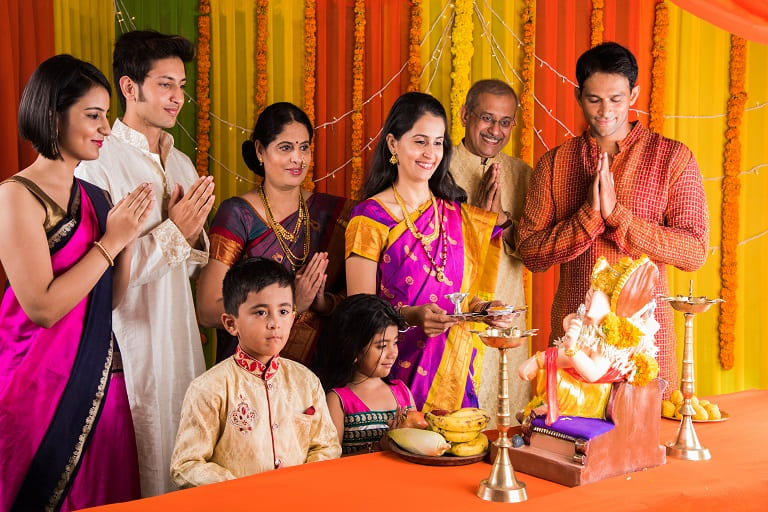
Ganesh Chaturthi turns Mumbai into a city of devotion, colour and constant celebration. From historic neighbourhood mandals to grand public displays, every area welcomes visitors with a distinct style of worship. The most admired murtis are not known only for their size or decoration.
They also reflect local traditions, skilled craftsmanship and strong community participation. This guide introduces ten Ganesh murtis worth seeing, helping devotees and travellers plan a meaningful journey through Mumbai’s busiest and most celebrated festival locations.
Why Mumbai’s Ganeshotsav Feels Special
The city celebrates Ganeshotsav in homes, housing societies and public spaces. The leading ganesh pandals in Mumbai may draw long queues, yet each visit feels personal because families, volunteers, artists and residents take part. A pandal trail reveals different sides of the city.
Lalbaug and Parel carry the essence of the old mill districts. Girgaon offers a traditional neighbourhood setting, while King’s Circle, Andheri and Fort add their own styles. Anyone planning a Mumbai holiday package should group nearby stops, use public transport and allow time for crowd controls.
Top Ganesh Murtis to Include in Your Mumbai Route
The following top 10 Mumbai ganesh murti list brings together well-known public celebrations from central, south and suburban Mumbai. Annual decorations, entry systems and timings may change, so check the respective mandal’s official updates before leaving.
1. Lalbaugcha Raja, Lalbaug
Lalbaugcha Raja is the first name associated with the famous Ganpati in Mumbai. The murti has a dignified seated form recognised by devotees. People arrive with deep faith and may wait patiently for hours during busy periods. Separate queues may be used for closer darshan and general viewing, so check the current system.
Evenings, weekends and the final festival days can be especially crowded. Carry essentials, follow volunteers and allow enough time for entry and exit. Reaching Lalbaug by suburban train and walking may be easier than bringing a private vehicle.
2. Mumbaicha Raja, Ganesh Galli
Located near Lalbaugcha Raja, Mumbaicha Raja at Ganesh Galli is a stop on the same route. It is counted among the famous Ganesh pandals in Mumbai and is appreciated for large thematic settings built around the murti. The presentation often reflects Indian temples, heritage forms or cultural ideas, attracting devotees and admirers of festive craftsmanship.
Covering Ganesh Galli and Lalbaug together reduces travel time, but the lanes may have barricades and one-way movement. Follow marked routes, since police and crowd diversions can change the usual approach.
3. GSB Seva Mandal Ganpati, King’s Circle
The GSB Seva Mandal celebration at King’s Circle is known for a strongly traditional atmosphere. The murti is presented with rich ornamentation, while prayers, rituals and organised seva remain central to the experience. The focus remains connected to worship rather than only display.
Visitors should dress respectfully and maintain calm near prayer areas. King’s Circle is well connected, though traffic can slow at peak hours. It can be included in a wider Mumbai tourism plan covering central parts of the city, provided enough time is kept for queues and walking. Photography rules may vary, so check signs or ask a volunteer before using a camera.
4. Chinchpoklicha Chintamani, Chinchpokli
Chinchpoklicha Chintamani is one of central Mumbai’s best-known Ganeshotsav names. The celebration has a loyal local following, and its arrival procession draws attention. During the festival, visitors come for the murti’s visual presence as well as the mandal’s strong neighbourhood connection.
Chinchpokli lies near several major festive areas, which makes it suitable for a central Mumbai trail. Still, avoid filling every hour with another stop. Queues, security checks and controlled walking routes can extend the visit. It is often included among Mumbai’s well-known Ganesh murtis because of its deep devotion, rich local history and long-standing festive tradition.
5. Khetwadicha Ganraj, Khetwadi
Khetwadi becomes one of the city’s most active festive pockets during Ganeshotsav. Several lanes host separate mandals, but Khetwadicha Ganraj remains a prominent name. Its murti and decoration are usually planned on an impressive scale, creating a dramatic setting.
Khetwadi is best covered on foot because several installations stand in nearby lanes. Wear comfortable footwear, keep valuables secure and remain within the designated pedestrian flow. Travellers visiting famous places in Mumbai around Girgaon can add Khetwadi to an evening route. Extra buffer time is important because narrow roads and crowd movement may slow the walk.
6. Andhericha Raja, Andheri
Andhericha Raja is one of the western suburbs’ most recognised Ganesh celebrations. It suits visitors staying around Andheri, Juhu or Vile Parle who want a suburban stop. The murti stands in a grand setting and draws steady crowds across the festival. Its immersion schedule may differ from many mandals, so confirm the current programme before planning.
When exploring Mumbai during Ganesh Chaturthi, keep Andheri as a separate suburban outing instead of combining it with Lalbaug during peak traffic. Metro or suburban rail, followed by a short walk, may offer a more predictable journey.
7. Girgaoncha Raja, Girgaon
Girgaoncha Raja is valued for its traditional character and close connection with the old residential culture of Girgaon. The murti is also associated with an environmentally considerate approach, adding meaning without taking attention away from worship. The visit feels different from a huge theme-based setting. Local lanes, old buildings and community participation create a more intimate atmosphere.
Festival traffic and immersion movement can affect normal routes, so keep the schedule flexible. Many devotees consider it a best Ganesh murti in Mumbai experience because its appeal comes from simplicity, tradition and neighbourhood involvement rather than scale alone.
8. Tejukaya Cha Raja, Lalbaug
Tejukaya Cha Raja is another important stop in the Lalbaug area. Its murti has an expressive design, while the setting brings worship, decoration and local participation together. It can be visited with other Lalbaug pandals, depending on current queue lengths.
Do not assume nearby stops are reachable through the shortest online route. Police diversions may create separate entry and exit paths. Ask volunteers for the correct direction and avoid crossing barricades. For visitors listing the best Ganpati murti in Mumbai, Tejukaya offers a striking experience within Lalbaug.
9. Parelcha Raja, Parel
Parelcha Raja reflects the festive spirit of one of Mumbai’s important old neighbourhoods. Parel has several respected mandals, showing how Ganeshotsav remains part of community life. This stop can be grouped with Lalbaug or Chinchpokli, but choosing fewer pandals is better than rushing through every nearby lane.
Pause for darshan, observe the decoration and give other devotees enough space. Public transport is practical because parking may be restricted. Morning hours may feel easier, though attendance changes by day and programme.
10. Fortcha Ichhapurti Ganesh, Fort
Fortcha Ichhapurti Ganesh brings the historic business district into the festive route. Decorated streets, older architecture and devotion create a distinctive contrast. It is a convenient option for travellers staying in South Mumbai or spending time around Fort and Colaba.
Pair the visit with nearby heritage areas, but verify access timings first. Fort is connected by suburban rail, buses and taxis, though temporary traffic restrictions may apply. Among Mumbai’s many public celebrations, this stop adds geographical variety to a list otherwise centred largely on Lalbaug, Chinchpokli and Parel.
How to Plan a Comfortable Pandal Route
The easiest plan groups nearby mandals instead of following a ranking. Lalbaugcha Raja, Mumbaicha Raja and Tejukaya Cha Raja can form one cluster. Chinchpokli and Parel may be added when time and crowd conditions permit. Girgaon, Khetwadi and Fort suit another route, while King’s Circle and Andheri are better treated separately.
Keep these points in mind:
- Start early when morning darshan is available.
- Use trains and the Metro for longer stretches.
- Carry water, but avoid bulky bags.
- Wear footwear suited to extended walking.
- Check official security and photography rules.
- Keep children and senior citizens away from tightly packed peak hour queues.
- Choose a meeting point before entering crowded lanes.
- Avoid blocking movement for photographs or videos.
This method helps visitors see more without an exhausting day.
Simple Etiquette for Pandal Visits
Every public pandal is a place of worship, so visitors should behave with care and respect. Dress modestly, keep conversations quiet and follow the directions given by volunteers. Avoid touching the murti, decorations or ritual items, and place offerings only at the designated counter.
Crowded queues also require patience. Give elderly devotees enough space, remain within the marked line and avoid pushing. Photography should never interrupt prayers, aarti or the movement of other nearby visitors.
Conclusion
Mumbai’s leading Ganesh murtis reveal the city’s living culture. Each mandal has a different setting, from artistic displays and richly ornamented idols to quieter community worship. The value lies in noticing the devotion, skill and teamwork behind each celebration.
Plan area by area, confirm current instructions and leave room for delays. With respectful behaviour and practical timing, these ten stops can provide a memorable opening to Mumbai’s Ganeshotsav spirit.