Rain changes the way familiar places look. Hills disappear behind moving mist, old streets hold reflections, waterfalls gather force, and plantations turn a deeper shade of green. For travellers interested in monsoon photography, the season offers more than dramatic clouds.
It brings softer light, wet textures and quieter frames that are difficult to recreate at other times of the year. Choose a destination that suits your visual style, then plan around weather, access and safety rather than chasing every viewpoint.
Choose a Destination That Matches Your Visual Style
Rainy landscapes create different kinds of photographs. Some suit wide views, while others work better for portraits, architecture or close details.
Before selecting from different photoshoot locations, decide what you want to capture:
- Mist moving across hills and valleys
- Waterfalls surrounded by fresh greenery
- Reflections on heritage streets and courtyards
- Tea or coffee estates after rainfall
- Umbrellas, windows and everyday monsoon life
- Rivers, bridges and cloud-filled horizons
This choice keeps the trip focused and limits unnecessary equipment.
Munnar for Tea Gardens, Mist and Layered Hills
Munnar has the kind of landscape that changes every few minutes during the rains. Tea-covered slopes, winding roads, low clouds and sudden openings in the mist create natural depth without needing an elaborate setup.
Kerala Tourism highlights the hill station’s tea plantations, valleys, lakes and forested surroundings, giving photographers a varied setting.
A Munnar trip package can organise the stay and road transfers while leaving time for unhurried stops. For a rain photoshoot, work with muted colours, wet leaves and partially hidden hills instead of waiting only for a clear panoramic view. The strongest frames often appear between showers, when the light is soft, and the clouds begin to lift.
Meghalaya for Waterfalls, Clouds and Forest Trails
Meghalaya feels made for rainy season photography because rain shapes the entire landscape. Sohra, also known as Cherrapunji, brings together cliffs, waterfalls, caves, living root bridges and thick vegetation.
Official tourism information notes that the state’s waterfalls and rivers are in full flow during the monsoon, while Sohra is especially associated with dramatic rainfall and mist.
Travellers exploring Meghalaya holiday packages can build a route around Shillong, Sohra and nearby areas. Allow time for changing visibility, as clouds can cover a valley and clear it again quickly. Keep the camera protected near waterfalls, and never move beyond marked areas for a wider angle. Rain is part of the scene, not an obstacle.
Coorg for Coffee Estates and Moody Forest Roads
Coorg works beautifully for photographers who prefer close, atmospheric frames rather than only large viewpoints. Coffee estates, shaded roads, old trees, streams and monsoon clouds give the region a quiet, textured character.
Karnataka Tourism describes Kodagu as a landscape of rolling hills, coffee estates, mist and seasonal greenery, with waterfalls and forest routes adding further variety.
A package trip to Coorg can make transfers between Madikeri and surrounding areas easier. Useful monsoon photography ideas include framing rain through plantation leaves, using winding roads as leading lines and photographing low clouds between trees. Ask before entering private estates, and avoid stopping vehicles on narrow bends simply because the view looks appealing.
Mussoorie and Landour for Misty Streets and Mountain Mood
Mussoorie and Landour suit travellers who enjoy a mix of mountain scenery and lived-in details. Sloping roads, old buildings, shopfronts, trees and fog can turn an ordinary walk into a sequence of changing compositions.
Uttarakhand Tourism’s writing on monsoon in Mussoorie describes drizzle, mountain bends and the creative atmosphere associated with the hill town.
Suitable Uttarakhand travel packages can help place the hill stay within a safer, well-paced route.
Use doorways, railings and windows to frame the mist rather than relying only on open viewpoints. Wet roads can also create strong reflections after shop lights come on. Check weather and road updates before setting out, and keep walks short when visibility drops.
Mahabaleshwar and Panchgani for Valleys and Monsoon Roads
The plateau landscapes around Mahabaleshwar and Panchgani become softer and greener in the rainy season. Valleys fill with cloud, roadside trees look freshly washed, and small streams appear beside the route.
Maharashtra Tourism describes Mahabaleshwar through its greenery, mountains, lakes, valleys and seasonal waterfalls, making it well suited to nature-led photography.
It suits photographers who enjoy layered hills, silhouettes and quiet road scenes. Rather than rushing between viewpoints, wait at one safe location and watch how the mist moves. A partially visible ridge often makes a stronger photograph than a completely clear valley.
These towns also suit portraits using umbrellas, stone walls and tree-lined paths. Keep away from unguarded edges and do not cross barriers for beautiful pictures of rainy day scenery.
Udaipur for Reflections, Palaces and Rain-Washed Streets
Udaipur offers a different style of rain photography. Instead of dense forests and waterfalls, the city provides lakes, palace facades, old lanes, arches and wet stone surfaces.
Rajasthan Tourism identifies Udaipur with its lakes, palaces and surrounding Aravalli hills, giving photographers a combination of architecture, water and landscape.
After a shower, reflections can add colour and symmetry to otherwise familiar views. Walk slowly and watch how people, umbrellas and vehicles move through the frame. Courtyards and covered passages allow photography without standing in heavy rain, while lake edges can provide softer scenes when the sky remains overcast.
Respect heritage restrictions and ask before photographing people closely. This destination is well suited to travellers who want architecture and street life within the same rainy-season story.
Chikmagalur for Plantations and Quiet Green Landscapes
Chikmagalur carries the visual appeal of the Western Ghats without requiring every frame to be dramatic. Coffee estates, forest roads, slopes and misty mornings create a calmer set of images.
Karnataka Tourism presents Chikmagalur as a region of coffee estates, hills, forests and plantation life, with mist and waterfalls shaping its monsoon atmosphere.
The region works especially well for details such as raindrops on leaves, workers’ paths, moss, bark and light filtering through plantation shade. Mix wide estate views with close textures.
Avoid entering plantations without permission and do not treat working spaces as open studios. A respectful approach usually leads to more natural images. Keep footwear practical because wet paths can become slippery, and protect lenses from moisture when moving between an air-conditioned room and the humid outdoors.
Goa’s Hinterland for Fields, Villages and Monsoon Colour
Goa’s monsoon appeal extends well beyond the shoreline. Inland roads, paddy fields, village houses, laterite walls and forested stretches create a quieter visual language.
Goa Tourism has increasingly highlighted the state’s hinterlands, heritage villages and monsoon experiences alongside its better-known coastal identity.
The season brings rich greens and softer skies suited to unposed travel photographs. Coastal conditions may not suit every activity during the rains, so use the trip to explore architecture, local streets and countryside from safe public areas.
Rain photography here benefits from colour contrasts: bright houses against grey skies, wet red earth beside green fields and reflections beneath tiled roofs. If you’re planning a trip to Goa, these scenic monsoon landscapes offer excellent opportunities for photography. Always avoid photographing private homes or religious activity without permission.
Build a Simple Monsoon Photography Plan
Good rain photography depends more on timing and patience than a large kit. Leave room in the schedule for delays, shelter and repeated visits to the same place.
Use these practical steps:
- Check weather and local travel advisories each morning
- Keep a dry cloth and protective cover within reach
- Carry spare batteries in a sealed pouch
- Use a lens hood to reduce droplets on the glass
- Photograph from sheltered spots during heavy rain
- Avoid changing lenses in exposed conditions
- Wipe equipment before returning it to the bag
- Keep one flexible period for weather-led shooting
These habits beat forcing a fixed shot list in changing conditions.
Compose the Rain Instead of Fighting it
Rain can soften contrast, hide backgrounds and change how colours appear. Use those qualities deliberately rather than waiting endlessly for clear weather.
Look for reflections, water trails, fog, umbrellas, window glass and movement. A slower shutter can show falling water, while a faster setting can hold individual drops. Keep the composition clean because mist already removes detail from the distance.
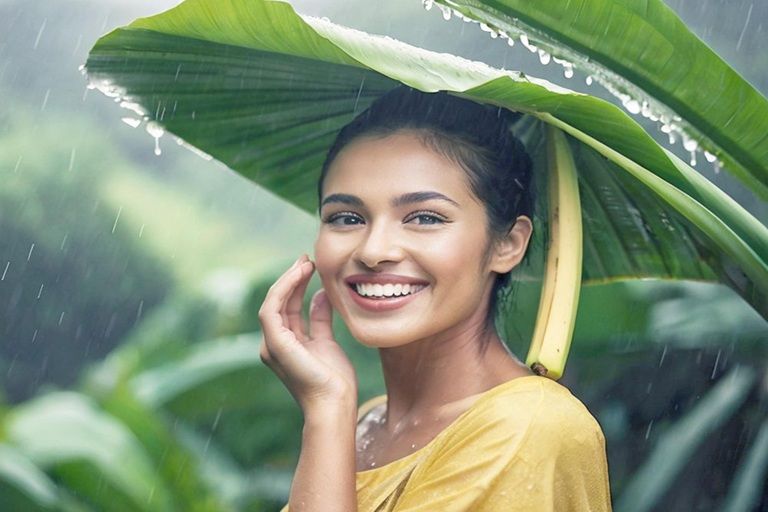
For portraits, place the subject near a covered edge and allow the rain to remain visible behind them. The best monsoon photography ideas usually come from observing what the weather is doing rather than copying a planned pose.
Travel and Shoot Responsibly
No photograph is worth stepping onto an unstable slope, entering fast-moving water or blocking a mountain road. Monsoon conditions can change quickly, particularly in hilly regions.
Stay within marked areas, follow local restrictions and listen to guides. Avoid drones where permission is unclear, or wildlife may be disturbed. Ask before photographing residents, workers or religious spaces.
Carry back every plastic cover and disposable item used to protect equipment. Responsible travel protects the place and also creates a calmer, more thoughtful way of photographing it.
Conclusion
India’s rainy season brings a wide range of visual moods, from Munnar’s tea slopes and Meghalaya’s waterfalls to Coorg’s estates, Mussoorie’s foggy streets and Udaipur’s reflective stone lanes. Choose a destination that carefully matches the images you want to make, keep the schedule flexible and let the weather guide the frame.
A successful monsoon photography trip is not about returning with endless pictures. It is about noticing light, texture and movement carefully, while travelling safely and respectfully through landscapes transformed by rain.