
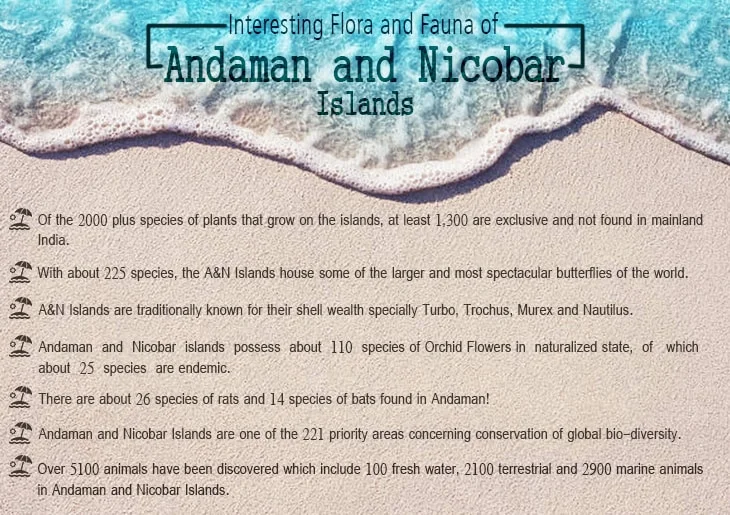
The Andaman and Nicobar Islands are shaped by rain-washed forests, tidal creeks, sandy shores and reefs alive with colour. Their landscapes hold a distinctive mix of South and Southeast Asian species, alongside plants and animals found nowhere else. The flora and fauna of the Andaman and Nicobar Islands reveal how isolation can shape living systems over centuries.
A forest trail may pass orchids and towering trees. However, the neighbouring coast shelters mangroves, nesting turtles and coral communities. The ecosystems are highly interconnected, which makes the islands a great place for understanding biodiversity and how much effort is needed to preserve it for future generations.
An Overview of the Islands’ Natural Diversity
Located in the Bay of Bengal between India and Southeast Asia, the archipelago has developed distinct species through isolation. Monsoon rain and varied coastlines support evergreen forests, mangroves, reefs and seagrass meadows. The flora and fauna of Andaman and Nicobar reflect Indo-Malayan links and local evolution.
The two island groups differ ecologically. Rainfall, soil and tides shape their forests, while the southern Nicobars contain less accessible habitats. Each ecosystem provides food, shelter and breeding grounds for island wildlife.
Flora of Andaman and Nicobar Islands
Vegetation ranges from rainforest to salt-tolerant coastal plants, including ferns, orchids, palms, hardwood trees, climbers and mangroves.
Evergreen and Semi-Evergreen Forests
Evergreen forests retain their foliage year-round, forming shaded layers of trees, climbers, ferns and epiphytes such as orchids. Semi-evergreen forests combine these with seasonal leaf-shedding trees. Both support diverse wildlife, including birds, reptiles, insects and mammals, making forest exploration a rewarding experience on Andaman tour packages.
Moist Deciduous Forests
Moist deciduous forests occur in parts of Middle Andaman. Trees shed leaves in drier periods, and native Andaman padauk grows among cane and bamboo. The forests protect soil and support nutrient cycling.
Mangrove Forests
Mangroves thrive along tidal creeks and sheltered coasts. Their roots trap sediment, shelter young fish and crabs, soften waves and stabilise shorelines. Baratang’s creeks offer views of this habitat from authorised boats.
Littoral and Swamp Vegetation
Littoral forests withstand salty winds and sandy soils, binding coastal ground and sheltering birds. Swamp forests thrive in waterlogged valleys. Both habitats link inland forest, wetland and beach.
Endemic Plant Species Found Nowhere Else
Isolation has fostered distinctive orchids, palms and tree ferns. Great Nicobar contains endemic plants such as Cyathea albosetacea and Phalaenopsis speciosa. Species with narrow ranges face heightened risks from habitat loss, invasive plants and climate pressures.
Fauna of Andaman and Nicobar Islands
Wildlife spans forest floors, canopy branches, tidal creeks and reefs. The flora and fauna of Andaman include habitat-specific species best observed with naturalist guidance and respect for access rules.
Mammals
Mammals include the Andaman wild pig, crab-eating macaque, Nicobar tree shrew and bats. Dugongs feed on offshore seagrass, and dolphins may appear in coastal waters. Sightings are uncertain. You should never attract or feed animals.
Birds
Endemic birds include the Andaman wood pigeon and Nicobar megapode. Forest edges, mangroves and wetlands host varied birdlife, while offshore islets offer nesting habitat. Early morning birdwatching with binoculars minimises disturbance.
Reptiles and Amphibians
Saltwater crocodiles inhabit suitable creeks, while monitor lizards, snakes, geckos and frogs occupy land and freshwater habitats. Sea turtles nest on island beaches. Never handle reptiles or approach turtles for photographs.
Corals and Marine Life
Waters around the islands support corals, reef fish, sea cucumbers and molluscs. Seagrass feeds dugongs, while reefs shelter marine life. Snorkel or dive with responsible operators. Also, touching coral or pursuing animals damages fragile habitats.
Endemic and Endangered Species
Endemic wildlife includes the Nicobar megapode, Nicobar pigeon and Andaman wild pig. Dugongs, sea turtles and saltwater crocodiles face threats in parts of their range. Habitat loss, pollution and nesting-site disturbance make protected areas vital.
Best Islands to Spot Wildlife in Andaman and Nicobar
Wildlife sightings depend on habitat, season and permissions. The flora and fauna in Andaman and Nicobar Islands can be explored through guided walks, birdwatching, mangrove trips and reef visits.
Havelock Island (Swaraj Dweep)
Havelock Island travel packages offer opportunities to explore coral reefs and coastal habitats around Swaraj Dweep. Guided snorkelling lets you spot reef fish, while forested areas attract birds. Choose responsible operators who never feed fish or handle marine life.
Neil Island (Shaheed Dweep)
A trip to Neil Island (Shaheed Dweep) offers shallow reefs, rocky shorelines and lush coastal vegetation. Explore tide pools for marine life and spot coastal birds near the beaches, while avoiding stepping on coral.
Baratang Island
Baratang is known for mangrove creeks and limestone formations. Authorised boat trips reveal specialised roots and mudflats used by fish, crabs and birds. Quiet observation is best in dense vegetation.
North Button Island National Park
North Button Island National Park protects a marine environment with coral and reef life. Access depends on permission and sea conditions, so confirm arrangements with authorities or authorised operators.
Great Nicobar Island
Great Nicobar’s evergreen forests shelter the Nicobar megapode, tree shrew and pigeon. Its Biosphere Reserve protects terrestrial and marine diversity. Access to parts of the Nicobars is restricted, especially near Indigenous communities, making official permissions essential.
Why the Islands Are Important for Biodiversity Conservation
Habitat conservation of specialised species is very important due to the interconnected forests, wetlands and coral reefs of the islands. The flora and fauna in the Andaman Islands depend on these ecosystems, which help to preserve the coasts and provide a food chain.
- Forested areas and marine parks help maintain the natural environment for endemic and endangered species.
- Mangroves help stabilise shorelines and provide nursery grounds for marine life.
- Seagrass beds store carbon and feed dugongs.
- Coral reefs help sustain food chains and decrease wave energy.
- Scientific monitoring tracks ecosystem changes and guides conservation.
- Responsible tourism can support livelihoods while reducing pressure on sensitive habitats.
Best Time to Explore the Islands’ Flora and Fauna
The best time to visit Andaman is from October to May, when calm sea conditions are ideal for boat rides, snorkelling and reef exploration. Monsoon rains may disrupt transport and outdoor activities, while wildlife sightings can vary by season. Check weather forecasts and park guidelines before planning your trip.
| Period | Typical conditions | Nature experiences |
| October-November | Post-monsoon greenery; seas often improve | Forest walks, birdwatching and mangrove trips |
| December-February | Generally drier; often calmer seas | Reef visits, snorkelling and coastal observation |
| March-May | Warm days; many routes remain suitable | Marine excursions and early forest walks |
| June-September | Monsoon rain; variable sea conditions | Lush vegetation; boats and outdoor activities may be disrupted |
Tips for Responsible Wildlife and Nature Experiences
- Follow forest department guidance and use authorised guides in protected areas.
- Keep a safe distance from wildlife. Never feed, touch or chase animals.
- Stay on marked trails and avoid trampling seedlings, nests or shoreline vegetation.
- Avoid standing on coral or collecting shells and marine creatures.
- Dispose of your litter and do not leave plastic or food trash at beaches and waterways.
- Keep noise low while birdwatching and avoid playback calls near nesting birds.
- Do not enter areas which are forbidden.
FAQs
1. What are the main types of flora found in the Andaman and Nicobar Islands?
Thick evergreen forests, mangroves and coastal plants cover much of the islands. You’ll also find orchids, ferns, palms and rare plants that grow only in this region.
2. What animals can be found in the Andaman and Nicobar Islands?
The islands are home to wild pigs, macaques, bats, colourful birds and several reptiles. Proceed to the coastal area, and you will be able to see marine animals such as sea turtles, dolphins, reef fish and even dugongs.
3. Which are the best places to see wildlife in the Andaman Islands?
Baratang provides the most ideal locations to explore mangroves. Swaraj Dweep and Shaheed Dweep are famous for their marine creatures. Great Nicobar Island provides excellent forest wildlife. But access to certain areas is restricted.
4. Is the flora and fauna of Andaman different from mainland India?
Yes. The islands have plants and animals that you won’t find anywhere else in the world. Their long isolation has allowed many species to develop in these unique habitats.
5. What is the best time to explore the flora and fauna of Andaman?
The months between October and May are usually the best periods for nature trails and marine adventures. Monsoon weather can affect boat trips. So check local conditions before setting out.