The twelve Jyotirlingas form one of India’s most deeply revered Shiva pilgrimage traditions. Spread from the Arabian Sea coast to the Himalayas and the southern island of Rameswaram, these temples bring together faith, landscape, local customs and centuries of worship.
Travellers often begin with a jyotirlinga list, but the names alone do not show how different each journey feels. Some shrines stand in busy old cities, while others are reached through forests, hills, river islands or coastal towns. Understanding their locations first makes it easier to plan the pilgrimage with care.
What a Jyotirlinga Represents
The word Jyotirlinga is commonly understood as a radiant manifestation of Lord Shiva. In the devotional tradition, each shrine is associated with a distinct story, form of worship and sacred setting.
Visiting the temples is therefore not treated as a simple sightseeing circuit. For many devotees, the journey is completed gradually, with time given to darshan, local rituals and the character of each place.
The 12 Jyotirlinga List at a Glance
For travellers looking for a clear 12 Jyotirlinga name and place list, the widely followed sequence is given below. It also serves as a practical guide to the main 12 Jyotirlinga locations across India.
| Jyotirlinga | Temple Location | State |
| Somnath | Prabhas Patan | Gujarat |
| Mallikarjuna | Srisailam | Andhra Pradesh |
| Mahakaleshwar | Ujjain | Madhya Pradesh |
| Omkareshwar | Omkareshwar | Madhya Pradesh |
| Kedarnath | Kedarnath | Uttarakhand |
| Bhimashankar | Bhimashankar | Maharashtra |
| Kashi Vishwanath | Varanasi | Uttar Pradesh |
| Trimbakeshwar | Trimbak | Maharashtra |
| Vaidyanath | Deoghar | Jharkhand |
| Nageshwar | Near Dwarka | Gujarat |
| Ramanathaswamy | Rameswaram | Tamil Nadu |
| Grishneshwar | Verul | Maharashtra |
This 12 Jyotirlinga name and location guide follows the list commonly used in pilgrimage planning. Regional traditions may identify alternative sites for Vaidyanath and Nageshwar, which are explained later in the article.
Somnath Jyotirlinga, Gujarat
Somnath stands at Prabhas Patan on Gujarat’s Saurashtra coast, close to the Arabian Sea. Its seaside setting gives the temple a character unlike the inland shrines on the circuit. Devotees generally combine darshan with time around the temple precinct and nearby sacred places connected with Prabhas Kshetra.
Those planning a wider western India journey can review Gujarat holiday packages while arranging Somnath and Dwarka within the same route.
Mallikarjuna Jyotirlinga, Andhra Pradesh
Mallikarjuna Jyotirlinga is worshipped at Srisailam, a hill destination in Andhra Pradesh. The temple is dedicated to Mallikarjuna Swamy and is closely associated with the worship of Goddess Bhramaramba as well.
The setting near the Nallamala landscape adds a quieter, pilgrimage-focused rhythm to the visit. Road travel is usually an important part of reaching Srisailam, so the temple should be given enough time rather than fitted into a hurried city schedule.
Mahakaleshwar Jyotirlinga, Madhya Pradesh
Mahakaleshwar is situated in Ujjain, one of Madhya Pradesh’s best-known temple cities. The shrine is closely tied to the identity of Ujjain and draws devotees for its daily rituals, particularly the early-morning worship associated with Mahakal.
The old city setting means a visit can involve busy lanes, queues and fixed ritual timings. Travellers exploring Madhya Pradesh holiday packages may place Ujjain alongside nearby spiritual and heritage destinations.
Omkareshwar Jyotirlinga, Madhya Pradesh
Omkareshwar lies on an island in the Narmada River and is reached through the town of the same name. The river, ghats, bridges and surrounding temples shape the experience as much as the main shrine.
Many pilgrims also spend time walking through the sacred area rather than visiting only the sanctum. Since Mahakaleshwar and Omkareshwar are both in Madhya Pradesh, they are often planned together as one regional journey.
Kedarnath Jyotirlinga, Uttarakhand
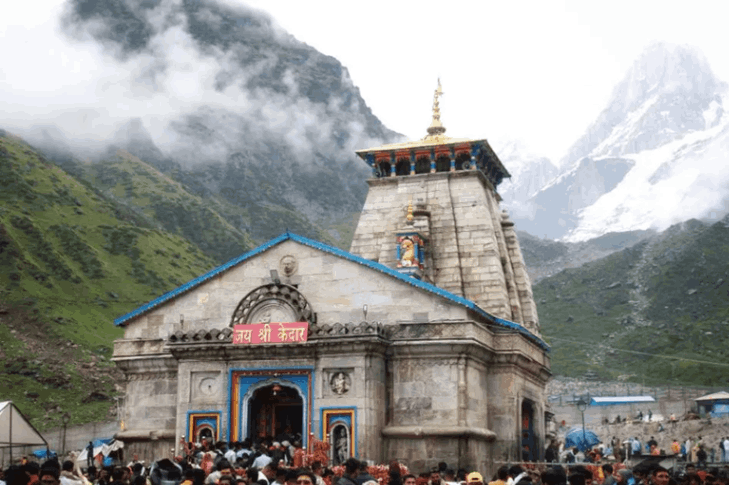
Kedarnath is the most physically demanding stop on the commonly accepted list of all Jyotirlinga temples. It stands high in the Garhwal Himalayas of Uttarakhand and is open only during the seasonal pilgrimage period.
Reaching the shrine requires preparation for mountain weather, changing conditions and an uphill route from the roadhead. Suitable Uttarakhand travel packages can help travellers plan transport, halts and accommodation around the temple’s operating season.
Bhimashankar Jyotirlinga, Maharashtra
Bhimashankar is set in the Sahyadri hills of Maharashtra, surrounded by a forested landscape. The approach feels very different from the city temples in Ujjain or Varanasi, especially during wetter months when the region becomes greener.
Comfortable footwear, rain protection and a realistic road schedule are useful here. Among the 12 Jyotirlinga places, Bhimashankar suits travellers who want to combine darshan with the calmer atmosphere of a hill and forest setting.
Kashi Vishwanath Jyotirlinga, Uttar Pradesh
Kashi Vishwanath stands in Varanasi, close to the western bank of the Ganga. The temple is woven into the lanes, ghats and daily religious life of the old city, so the wider setting is inseparable from the pilgrimage.
Entry arrangements, security rules and worship schedules may affect the visit. It is better to keep the day unhurried, allowing time for the temple area and the riverfront without treating Varanasi as a brief stopover.
Trimbakeshwar Jyotirlinga, Maharashtra
Trimbakeshwar is located at Trimbak, near Nashik, with the Brahmagiri hills forming its natural backdrop. The area is associated with the origin of the Godavari and has several religious sites beyond the main temple.
Travellers often combine it with Nashik, but an early start helps avoid a rushed darshan. This is one of the most accessible Jyotirlinga locations for those already travelling through western Maharashtra.
Vaidyanath Jyotirlinga, Jharkhand
Baidyanath Dham in Deoghar, Jharkhand, is widely included as Vaidyanath in the 12 Jyotirlinga list. The temple complex is an active centre of worship, particularly during the Shravan pilgrimage season.
The town becomes much busier at important religious times, so accommodation and local movement should be planned accordingly. The visit is best approached as a full pilgrimage stop rather than a quick detour between longer rail or road journeys.
Nageshwar Jyotirlinga, Gujarat
Nageshwar Jyotirlinga is situated near Dwarka on Gujarat’s Saurashtra coast. Its position makes it convenient to include with Dwarka and, with a broader itinerary, Somnath. The temple surroundings are more open than the tightly packed lanes found around some older city shrines.
Travellers searching for a 12 jyotirlinga name and place guide will commonly see Nageshwar listed here, although another regional tradition connects the name with Aundha Nagnath in Maharashtra.
Ramanathaswamy Jyotirlinga, Tamil Nadu
Ramanathaswamy Temple stands in Rameswaram, an island town on the Tamil Nadu coast. The shrine is associated with the Ramayana tradition and is also part of the wider Char Dham pilgrimage.
Its corridors, temple tanks and ritual practices make the visit more layered than a single darshan. Light clothing and respectful temple wear are useful in the coastal climate, while enough time should be kept for the procedures followed within the complex.
Grishneshwar Jyotirlinga, Maharashtra
Grishneshwar is located at Verul, near the Ellora Caves in Maharashtra. The temple is smaller in scale than several other Jyotirlinga shrines, yet its carved stone architecture and active worship give it a strong presence.
It can be included with Chhatrapati Sambhajinagar and Ellora without making the temple feel secondary. Travellers considering holiday packages in Maharashtra can plan Grishneshwar alongside Bhimashankar and Trimbakeshwar across separate regional legs.
A Note on Different Regional Traditions
A search for the 12 Jyotirlinga names and places may produce more than one answer for Vaidyanath and Nageshwar. Deoghar in Jharkhand is widely recognised as Baidyanath Dham, while Parli Vaijnath in Maharashtra is honoured in another tradition. This distinction is useful to understand when booking a Jyotirlinga travel package, as itineraries may include one or the other based on regional beliefs.
Nageshwar near Dwarka is commonly included in the standard circuit, while Aundha Nagnath also holds a strong regional association. Pilgrims may follow the tradition observed by their family, teacher or community.
How to Plan a Multi-State Jyotirlinga Journey
The temples are spread across distant parts of India, so covering them in a single rushed trip can be tiring. A better approach is to group the 12 Jyotirlinga places by region and complete them over separate journeys.
- Gujarat can bring together Somnath and Nageshwar.
- Madhya Pradesh can combine Mahakaleshwar and Omkareshwar.
- Maharashtra includes Bhimashankar, Trimbakeshwar and Grishneshwar.
- Kedarnath needs its own seasonal mountain plan.
- Varanasi, Deoghar, Srisailam and Rameswaram can be arranged as individual journeys or linked with nearby destinations.
For each leg, keep temple days separate from long transfers wherever possible. Carry identification, modest clothing, regular medicines and only the luggage you can manage comfortably. Older travellers should build rest into the route instead of moving between distant shrines on consecutive days.
Before departure, check official temple updates, seasonal access, local transport and dress requirements. Festival periods may bring longer queues, while the monsoon or winter can affect particular routes. Keeping spare time in each itinerary allows the pilgrimage to remain calm and respectful.
Conclusion
The 12 Jyotirlinga names and place list stretches across India’s coasts, rivers, forests, mountains and ancient cities. Each temple has its own atmosphere, access needs and living traditions, which is why the journey deserves more than a checklist approach.
Start with the Jyotirlinga locations that fit one region, allow enough time for worship and verify local arrangements before travelling. Whether completed in stages or as a longer circuit, the pilgrimage reveals how devotion to Shiva is expressed across remarkably different parts of the country.