
Navratri brings together devotion, travel and regional tradition in a way few festivals can. Across India, sacred Devi shrines welcome devotees who come to pray, seek blessings and experience the spiritual energy associated with the Divine Feminine.
A temple journey during this period can feel both personal and culturally enriching. From hilltop sanctuaries to ancient Shakti centres, these destinations offer distinctive rituals, landscapes and histories for a thoughtful Navratri pilgrimage.
Chandi Devi Temple, Chandigarh
Commonly associated with Chandigarh itineraries, Chandi Mandir is dedicated to Goddess Chandi and is located in Panchkula district, Haryana, just outside Chandigarh. The shrine is especially meaningful during Navratri, when devotees gather to seek strength, protection and blessings.
Its setting near the Shivalik foothills adds a calm, spacious feel to the visit, making it a fitting beginning to a devotional circuit. For anyone building a journey around the 9 Devi temples, this stop introduces the theme of Shakti in a setting that is easy to combine with the wider Chandigarh region.
Keep these simple points in mind before visiting:
- Visit with enough time for an unhurried darshan.
- Keep your clothing modest and suitable for a temple visit.
- Expect a livelier atmosphere during Navratri.
- Combine the visit with nearby spiritual sites if time permits.
It can fit naturally into Chandigarh travel packages that include a devotional element.
Naina Devi Temple, Himachal Pradesh
Set on a hilltop in Himachal Pradesh, Shri Naina Devi is one of the region’s best-known Shakti pilgrimage centres. Devotional tradition connects the shrine with the eyes of Goddess Sati, and Navratri brings a particularly vibrant mood to the temple and its surroundings.
The elevated setting, open views and steady flow of pilgrims give the visit both spiritual intensity and a sense of place. Among the famous devi temples in India, Naina Devi stands out for the way faith and the Himalayan landscape come together.
A few practical tips can improve your visit:
- Start early if you want a calmer temple experience.
- Carry light layers because hill weather can change.
- Keep footwear and belongings arranged before entering the worship area.
- Allow time to pause after darshan rather than rushing onwards.
It pairs well with Himachal holiday packages focused on spiritual and scenic experiences.
Vaishno Devi Temple, Jammu & Kashmir
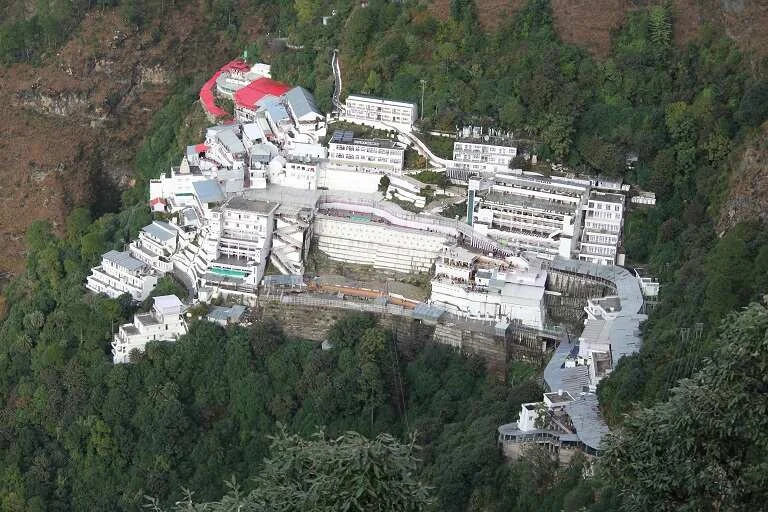
The shrine of Mata Vaishno Devi is reached from Katra in Jammu and Kashmir and remains one of India’s most recognised pilgrimage destinations. The journey itself is central to the experience, with devotees moving towards the Bhawan in a spirit of prayer, discipline and collective faith.
During Navratri, the atmosphere becomes even more devotional as worship centres on forms of Shakti and the presence of the Mother Goddess. As a deeply revered Navratri mandir, the shrine carries special meaning for devotees who want the festival to include both physical effort and spiritual focus.
Prepare thoughtfully to make the pilgrimage more comfortable:
- Keep official yatra requirements and identification ready.
- Wear comfortable footwear suited to the pilgrimage route.
- Follow shrine instructions and crowd-management guidance.
- Keep your schedule flexible during busier festival periods.
A Jammu and Kashmir trip can be planned around the pilgrimage while leaving time for rest before and after darshan.
Ambaji Temple, Gujarat
Ambaji Temple in Gujarat is a major Shakti shrine associated with Goddess Amba and holds a special place in the state’s devotional culture. The temple’s spiritual identity is closely tied to worship of the sacred yantra in the sanctum rather than a conventional image of the goddess.
During Navratri, the wider region reflects Gujarat’s strong traditions of devotion, music and community celebration. A thoughtful list of 9 Devi names and a place itinerary should explain why each shrine feels distinct, and Ambaji adds a powerful western Indian expression of Shakti worship.
Keep these points in mind for respectful darshan:
- Keep temple etiquette in mind before entering the sanctum.
- Give yourself time to absorb the atmosphere after darshan.
- Check local arrangements before a festival-period visit.
- Combine devotion with respectful observation of regional traditions.
Well-planned darshan tours can place Ambaji within a broader spiritual journey through Gujarat without making the visit feel rushed.
Kamakhya Temple, Assam
Kamakhya Temple sits on Nilachal Hill in Guwahati and is one of India’s most important Shakti shrines. Unlike many temples centred on a conventional idol, worship here is associated with a sacred stone form within the sanctum.
The temple is also closely connected with Shakta and Tantric traditions, giving it a distinctive place within India’s spiritual landscape. For people interested in understanding the diversity of devi temples in India, Kamakhya offers a powerful contrast to the Himalayan and northern shrines on this route.
These simple considerations can support a respectful visit:
- Approach the temple with respect for its distinct rituals.
- Keep extra time for queues during major religious periods.
- Explore the wider Nilachal Hill temple area quietly.
- Dress comfortably for slopes, steps and changing weather.
The experience feels less like a quick sightseeing stop and more like an immersion in a living spiritual tradition.
Chamundeshwari Temple, Karnataka
Chamundeshwari Temple rises above Mysuru on Chamundi Hills and is dedicated to Goddess Chamundeshwari, a fierce form of Durga. Local tradition connects the goddess with the defeat of Mahishasura, making the shrine deeply woven into Mysuru’s cultural identity.
The hilltop setting, temple architecture and devotional energy create a visit that feels both ceremonial and rooted in the character of the city. A route covering the 9 Devi temples in India becomes more balanced when southern Shakti traditions are included alongside northern pilgrimage centres.
Keep these practical points in mind while visiting:
- Visit with time to appreciate the hill setting.
- Maintain silence and decorum near the sanctum.
- Follow local instructions for darshan and offerings.
- Keep water and comfortable footwear for the hill visit.
The temple is particularly rewarding for visitors interested in the meeting point of mythology, regional culture and everyday worship.
Mansa Devi Temple, Uttarakhand
Mansa Devi Temple stands on Bilwa Parvat in Haridwar and forms part of the city’s deeply spiritual landscape. Dedicated to Goddess Mansa, the shrine is associated with faith, fulfillment of wishes and the wider Shakti tradition of Haridwar.
The approach to the hilltop temple adds to the sense of pilgrimage, while views over the sacred city create a peaceful pause from the activity below. For a devotee seeking a meaningful Navratri temple experience, Mansa Devi can be paired naturally with Haridwar’s ghats and other nearby shrines.
A little planning can make the visit smoother:
- Visit early when a quieter darshan matters to you.
- Use the walking route or available ropeway according to comfort.
- Keep offerings simple and follow temple customs.
- Leave time for Haridwar’s evening spiritual atmosphere.
This stop works especially well in an itinerary that balances temple visits with reflective time by the Ganga.
Kalka Devi Temple, Delhi
Kalka Devi Temple is more widely known as Kalkaji Mandir, a revered shrine dedicated to Goddess Kali in south Delhi. Its location within the capital makes it accessible, yet the mood changes quickly once devotees enter the temple surroundings.
Navratri brings heightened devotion, with prayers, offerings and a steady rhythm of worship giving the complex a strongly festive spiritual character. Any practical 9 Devi temple name list for a Navratri journey can include Kalkaji for its cultural importance and convenient place within a larger North Indian route.
These simple tips can help during your visit:
- Prefer simple, respectful clothing suitable for crowded worship spaces.
- Keep valuables secure during busy darshan periods.
- Follow queue systems rather than trying to move ahead.
- Avoid carrying unnecessary bags into the temple area.
The visit is easy to combine with a wider Delhi stay without reducing it to a hurried city stop.
Vindhyavasini Temple, Uttar Pradesh
Maa Vindhyavasini Temple is located at Vindhyachal in Mirzapur district, Uttar Pradesh, and remains an important centre of Shakti worship. The shrine draws deep reverence from devotees who come to seek the blessings of Maa Vindhyavasini, especially during Navratri.
The wider Vindhyachal area also carries a strong pilgrimage character, with nearby sacred sites adding depth to the visit. For those mapping a spiritual circuit of 9 Devi temples, Vindhyavasini offers a fitting closing stop because the experience encourages both devotion and reflection.
A few practical tips can support your pilgrimage:
- Arrive with time for queues and temple procedures.
- Respect local worship practices and movement within the complex.
- Keep your itinerary flexible during Navratri.
- Consider visiting nearby sacred sites only if your schedule remains comfortable.
The temple leaves a strong final impression, especially when the journey has been paced around prayer rather than constant movement.
Conclusion
A Navratri pilgrimage becomes more memorable when every temple is experienced for its own traditions, setting and spiritual character. Chandi Devi, Naina Devi, Vaishno Devi, Kamakhya, Chamundeshwari, Mansa Devi, Kalkaji, Ambaji and Vindhyavasini together present a rich picture of Shakti worship across India. The most rewarding journey is not the fastest one. Plan with patience, respect local customs, keep enough time for darshan and allow each sacred stop to become part of a deeper, more personal Navratri experience. Such thoughtful pacing helps the journey remain devotional, comfortable and memorable long after Navratri ends.