
The United Arab Emirates brings together seven distinct emirates, each with its own character, attractions and travel experiences. Some are known for modern landmarks and shopping, while others stand out for culture, desert settings, heritage or a quieter pace.
For travellers asking what the 7 emirates in the UAE are, the names are Abu Dhabi, Dubai, Sharjah, Ajman, Umm Al Quwain, Ras Al Khaimah and Fujairah. Knowing how they differ can make it easier to plan a UAE holiday around personal interests.
The Seven Emirates at a Glance
Each emirate adds a different character to a UAE holiday. Dubai is known for modern landmarks, shopping and entertainment, while Abu Dhabi combines culture, architecture and leisure. Sharjah brings a stronger traditional market feel, and Fujairah adds scenic surroundings and heritage.
Ras Al Khaimah offers a different Gulf atmosphere, while Ajman and Umm Al Quwain complete the wider emirate experience. Looking at these differences makes it easier to decide which places match your travel interests and how much time to spend in each part of the country.
1. Abu Dhabi: Culture, Architecture and Leisure
Abu Dhabi brings together culture, architecture, leisure and entertainment within one emirate. Sheikh Zayed Grand Mosque stands out for its scale and marble detailing, while Louvre Abu Dhabi adds art, design and global history to the experience.
Travellers can also include:
- Yas Island: Known for resorts, beaches and entertainment attractions.
- Ferrari World Abu Dhabi: Adds a family-friendly entertainment option.
- Corniche Beach: Offers a relaxed waterfront setting within the city.
Desert drives and dune activities bring another side to Abu Dhabi, giving visitors a mix of culture and adventure. Those planning Abu Dhabi trip packages can build an itinerary around cultural attractions, leisure, beaches and desert experiences without keeping the trip focused on only one theme.
2. Dubai: Modern Landmarks, Shopping and Big Experiences
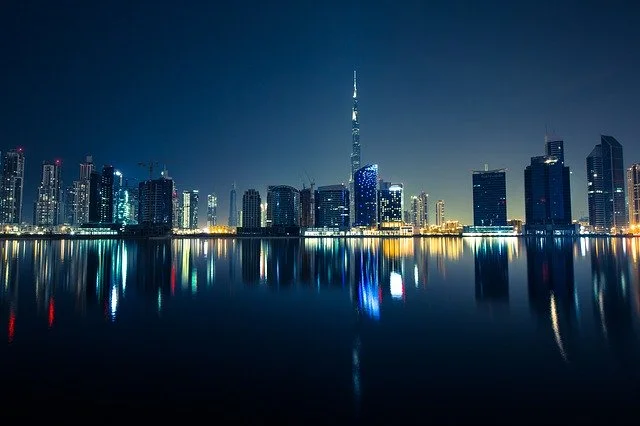
Dubai is often the emirate travellers recognise first because it combines major landmarks, shopping, beaches and entertainment in one destination. Burj Khalifa offers elevated city views, while The Dubai Mall adds shopping and leisure experiences within the same part of the city.
Key experiences include:
- Burj Khalifa: One of Dubai’s most recognised landmarks.
- Jumeirah Beach: A simple way to add beach time to the itinerary.
- Dubai Fountain: A popular attraction around the city centre.
Dubai also has a heritage side through areas such as Dubai Old Town and Al Fahidi Fort. A Dubai trip can therefore combine modern attractions with older parts of the city, making the emirate suitable for travellers who want variety within one holiday.
3. Sharjah: Traditional Market Character and Desert Experiences
Sharjah offers a different atmosphere from Dubai’s modern skyline. One of its recognised attractions is Blue Souk, where travellers can experience a traditional Gulf market setting and browse for souvenirs in a more local shopping environment.
Visitors can consider:
- Blue Souk: Known for its traditional market character.
- Desert Safari: Adds an adventure experience to the emirate.
- Local Shopping: Gives travellers a different feel from large modern malls.
When travellers search for what the 7 emirates are and what makes each one different, Sharjah stands out for combining traditional shopping with desert experiences. It can also fit well into a wider UAE trip for those who want something beyond large landmarks and contemporary city attractions.
4. Ajman: Part of the UAE beyond Its Most Famous Cities
Ajman is one of the seven emirates and forms part of the wider UAE travel experience. Compared with Dubai, Abu Dhabi and Sharjah, the supplied material provides fewer details about specific attractions, so it is better to keep the information simple and accurate.
What travellers should know:
- Ajman is one of the seven emirates of the UAE.
- It adds another dimension beyond the country’s most famous cities.
- It can be considered within a wider UAE itinerary.
People wondering what the 7 UAE states are should know that the country is officially divided into seven emirates. Ajman’s inclusion is important because understanding the UAE means looking beyond only Dubai and Abu Dhabi and recognising all seven individual emirates that together form the country.
5. Umm Al Quwain: Completing the Seven Emirate Picture
Umm Al Quwain is one of the seven emirates and should be included in any correct answer to what the 7 United Arab Emirates are. It is less immediately recognised by many first-time travellers than Dubai or Abu Dhabi, but it remains an essential part of the UAE’s identity.
The key points are simple:
- It is one of the seven emirates.
- It helps complete the wider picture of the UAE.
- It can be considered on a longer multi-emirate journey.
The supplied pages do not provide detailed sightseeing information for Umm Al Quwain, so it is better not to add unsupported attractions or activities. Travellers can instead decide whether they want to focus on major sightseeing centres or explore more emirates during a longer stay.
6. Ras Al Khaimah: A Different Gulf Experience
Ras Al Khaimah gives travellers a different feel from the highly urban atmosphere associated with Dubai. The supplied UAE information presents it as a destination offering an authentic Gulf experience, making it relevant for those who want variety within a wider UAE holiday.
Its appeal comes from:
- A different atmosphere from Dubai and Abu Dhabi.
- A more varied Gulf experience within the same country.
- A useful contrast to malls, skyscrapers and large entertainment attractions.
People asking what the seven emirates of the UAE are may first want only the names, but understanding their character is more useful for travel planning. Ras Al Khaimah adds diversity to the itinerary and can suit travellers looking beyond the UAE’s most familiar city experiences.
7. Fujairah: Scenic Surroundings and Cultural Heritage
Fujairah offers a calmer side of the UAE, with scenic surroundings, natural views and cultural heritage shaping its appeal. This gives the emirate a clear point of difference from destinations focused mainly on shopping, entertainment and modern architecture.
Travellers can look forward to:
- Scenic surroundings: A quieter setting compared with major urban centres.
- Fujairah Fort: A recognised heritage attraction in the emirate.
- Cultural interest: A chance to see a less commercial side of the UAE.
Fujairah works well within a wider itinerary because it changes the pace of the journey. Travellers exploring the best places to visit in the UAE can consider Fujairah when they want scenery and heritage alongside the country’s better-known city attractions.
How Do the Seven Emirates Differ from One Another?
The easiest way to understand what the 7 emirates are is to look at the type of experience each one adds to a UAE holiday.
| Emirate | What Makes It Different |
| Dubai | Known for major landmarks, shopping, beaches and entertainment. |
| Abu Dhabi | Combines cultural attractions, waterfront areas, desert experiences and leisure. |
| Sharjah | Brings traditional market character together with desert experiences. |
| Ajman | Adds another quieter part of the UAE beyond the most visited cities. |
| Umm Al Quwain | Completes the seven emirate picture and offers another side of the country. |
| Ras Al Khaimah | Offers a different Gulf atmosphere away from the busiest urban centres. |
| Fujairah | Stands out for scenic surroundings, cultural heritage and a calmer setting. |
Travellers do not need to spend equal time in every emirate. The itinerary can instead focus on the places that match their interests. Those planning a wider journey can explore UAE tour packages and decide how many emirates fit comfortably into the available travel time.
What Experiences Can You Combine across the UAE?
A UAE holiday can include several different experiences within one journey. Instead of focusing only on major city attractions, travellers can combine culture, shopping, beaches, desert activities and scenic surroundings depending on the places included in the itinerary.
- Modern landmarks: Dubai and Abu Dhabi are home to some of the country’s most recognised architectural attractions.
- Culture and heritage: Mosques, museums, forts and older city areas add historical and cultural interest.
- Shopping experiences: Travellers can move between large malls and traditional market settings.
- Beach and waterfront time: Coastal areas provide a relaxed break between sightseeing days.
- Desert activities: Dune experiences add an adventure element to the holiday.
- Scenic surroundings: Fujairah and Ras Al Khaimah offer a quieter contrast to busy urban centres.
This mix allows travellers to experience different sides of the UAE without keeping the entire holiday centred on one type of attraction.
Final Thoughts
The seven emirates make the UAE far more varied than a single city holiday might suggest. Dubai stands out for landmarks and shopping, Abu Dhabi for culture and leisure, Sharjah for traditional market character, Ras Al Khaimah for a different Gulf atmosphere and Fujairah for scenic and heritage appeal.