
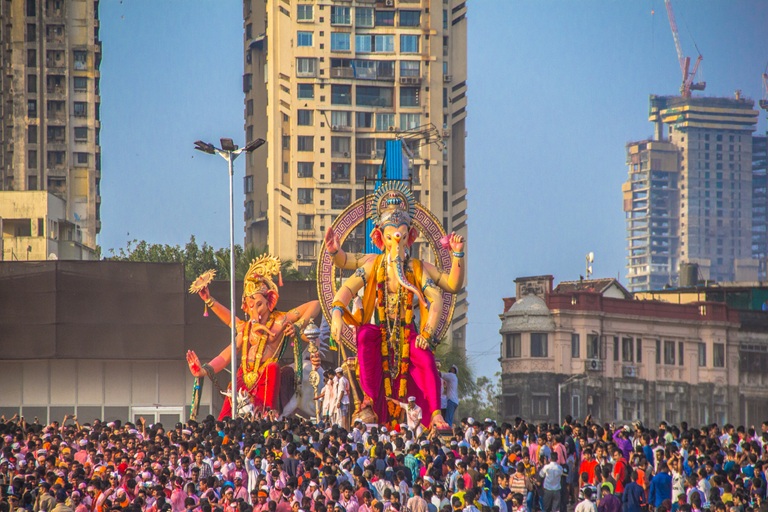
Ganesh Chaturthi in Pune is more than a festival; it is a tradition shaped by faith, history and community participation. Across the city, well-known pandals welcome devotees with distinctive murtis, rituals and stories that have been preserved for generations. Some are linked with Pune’s old neighbourhoods, while others reflect social unity, public service or the freedom movement.
Visiting these pandals offers a closer look at how the city celebrates Ganpati with devotion and discipline. This article explores Pune’s most loved Ganpati pandals, the stories behind them and what makes each one an essential part of the city’s cultural identity.
Why Pune’s Ganpati Tradition Feels Different
Pune’s public Ganeshotsav is tied to its social and political past. The five Manache Ganpati hold a recognised order of honour and lead the immersion procession. Other old mandals have built strong identities through distinctive idols, public participation and charitable work. For visitors exploring Pune tourism, these celebrations reveal the city’s heritage and community values.
Popular Ganpati routes pass through Kasba Peth, Budhwar Peth, Tulshibaug, Narayan Peth and market streets. Distances may appear short, but crowds slow the journey. It is better to understand each stop than rush through a long list. Together, these traditions reflect local memory, civic pride and shared responsibility, showing how Pune’s neighbourhoods continue shaping Ganeshotsav every year.
Kasba Ganpati: Pune’s First Manacha Ganpati
Kasba Ganpati is regarded as Pune’s gramadevata, or presiding deity, and holds the first position among the five Manache Ganpati. Its history is associated with Jijabai and Pune’s early development during the period of Chhatrapati Shivaji Maharaj. The temple became an important place of worship in old Kasba Peth.
Its place in the immersion procession gives the mandal a special public role. Kasba Ganpati leads the five honoured Ganpatis, making its departure a significant moment on the final day. Its appeal comes from continuity. Devotees enter a tradition closely connected with Pune’s identity, not merely a festival display.
Tambdi Jogeshwari Ganpati: A Tradition beside the Gramdevi
Tambdi Jogeshwari Ganpati is the second Manacha Ganpati. The mandal takes its name from the nearby Tambdi Jogeshwari temple, whose deity is regarded as Pune’s gramdevi. This close association gives the Ganpati a distinct place in the religious life of the old city.
The public celebration began in the late nineteenth century and became part of Pune’s wider Ganeshotsav movement. Tambdi Jogeshwari is known for maintaining a familiar traditional form rather than changing the idol’s appearance frequently. That consistency matters to devotees, who return to see a recognisable murti in a setting shaped by long-standing worship.
Guruji Talim Ganpati: A Story of Communal Unity
Guruji Talim holds the third place among Pune’s Manache Ganpati. Its most remembered story is linked with the Hindu and Muslim families involved in establishing the mandal. This background has made it a lasting symbol of communal harmony in the city.
The mandal began before the public Ganesh festival became widely organised under Lokmanya Tilak, placing it in an early phase of community Ganeshotsav. Here, the story remains as important as the decoration. Guruji Talim shows how a religious festival can create shared public space, with cooperation passed from one generation to another.
Tulshibaug Ganpati: Craftsmanship in the Market Quarter
Tulshibaug Ganpati is the fourth Manacha Ganpati and stands within one of Pune’s busiest traditional shopping areas. The mandal is especially known for its tall murti and the detailed craftsmanship associated with its annual presentation. The surrounding market adds movement and colour, but the idol remains the clear centre of attention.
Artisan families have remained involved in creating and decorating the murti, giving the celebration a personal line of continuity. Among the ganpati pandals in Pune, Tulshibaug connects local craft, market culture and devotion.
Kesariwada Ganpati: Linked with Lokmanya Tilak
Kesariwada Ganpati is the fifth Manacha Ganpati and is closely associated with Lokmanya Bal Gangadhar Tilak. Tilak helped turn Ganeshotsav into a wider public platform at a time when large political gatherings faced restrictions under colonial rule. The festival allowed people to meet, exchange ideas and build social awareness through a shared cultural occasion.
The setting at Kesariwada keeps that history visible. Its story centres less on spectacle and more on the public purpose Ganeshotsav came to serve. The mandal shows how worship, cultural programmes and civic participation became connected.
Shrimant Bhausaheb Rangari Ganpati: An Early Public Celebration
Shrimant Bhausaheb Rangari Ganpati is recognised as one of Pune’s earliest public Ganesh celebrations. Bhausaheb Rangari installed the murti in 1892, before Tilak expanded the festival into a major organised movement. The idol has a striking form in which Ganpati is shown defeating a demon.
The image represents the victory of good over evil and reflects a period when ideas of resistance and freedom were growing. The murti’s materials and form have been preserved, giving the mandal a distinctive visual identity. Its history and symbolism make it an important stop on old Pune’s festival route.
Shrimant Dagdusheth Halwai Ganpati: Born from Personal Loss
Shrimant Dagdusheth Halwai Ganpati has one of the city’s most widely known origin stories. Dagdusheth Halwai and his wife, Laxmibai, established a Ganpati temple after losing their son during a plague epidemic. What began in grief gradually became a major centre of worship and public service.
The richly adorned murti draws devotees throughout the year, with crowds rising during the festival. Its appeal, however, goes beyond visual grandeur. The trust is also associated with charitable and social initiatives. Personal history, devotion and organised service have made it one of the most visited Ganesh pandals in Pune.
Akhil Mandai Mandal: The Story of Sharada Gajanan
Akhil Mandai Mandal was established in 1894 by wrestler Nathuram Dongre. Its story is linked with a vow made to Goddess Tulja Bhavani. According to the mandal’s account, Dongre prayed for a child and promised to establish in Pune an idol resembling the Sharada Gajanan form he had seen at the temple. After his wish was fulfilled, he kept that promise.
The idol shows Ganpati with Goddess Sharada in an immediately recognisable composition. Located near Mahatma Phule Mandai, the celebration is tied to Pune’s old market district. A fulfilled vow gives the mandal an intimate beginning, although it now attracts large crowds.
Planning a Pandal Route through Old Pune
Most of these mandals are concentrated around the central peth areas, but festival crowds can turn short distances into slow journeys. Start early, select one compact route and expect to walk. Kasba Ganpati, Tambdi Jogeshwari, Guruji Talim, Tulshibaug, Dagdusheth and Mandai can be grouped more sensibly than distant stops.
Travellers considering Pune travel packages should keep the festival day flexible instead of filling it with unrelated attractions. Shaniwar Wada and old city markets can be included when conditions allow, but darshan queues should set the pace.
Keep these points in mind:
- Wear comfortable footwear and carry a rain cover.
- Use a small bag and keep valuables secure.
- Check official mandal updates before leaving.
- Carry water, medicines and a charged phone.
- Follow police diversions and volunteer instructions.
- Fix a meeting point when travelling in a group.
Respecting the Pandal and Its Story
Every mandal has a history protected by local families for decades. Visitors should see it as a place of worship, not merely a photography stop. Dress modestly, stay within the queue and avoid touching the murti, flowers or ritual objects. Keep conversations low during aarti and move ahead when volunteers request it.
The experience of Ganesh Chaturthi in Pune becomes more meaningful when people notice details around the idol. Observe the traditional form of the murti, the neighbourhood supporting it and the reason the mandal became important. These details often reveal more than a large decoration.
Adding Other Pune Experiences
Festival travel can include heritage and food when the schedule remains practical. Shaniwar Wada, Vishrambaug Wada, Lal Mahal and the old markets are among the popular places in Pune that fit a central city route. Keep museums, forts and gardens for another day, especially when queues or rain slow movement.
Visitors can use metro services, auto rickshaws or app cabs for longer sections, then continue on foot where roads are restricted. Staying near Deccan, Shivajinagar or the central city can reduce repeated travel.
Final Thoughts
Pune’s most loved Ganpati mandals are remembered because each carries a clear story. Kasba Ganpati represents ceremonial honour. Tambdi Jogeshwari preserves continuity, Guruji Talim reflects communal unity, and Tulshibaug celebrates craftsmanship. Kesari Wada and Bhausaheb Rangari connect the festival with public awakening, while Dagdusheth grew from personal loss into community service. Akhil Mandai began with a fulfilled vow.
Together, these mandals explain why Pune’s Ganeshotsav feels deeply rooted rather than temporary. Plan a manageable route, allow enough time and look beyond decoration. The history behind each murti is what makes the visit memorable.